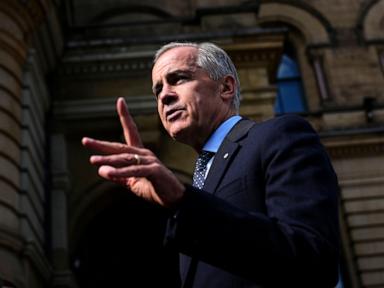
Trade negotiations between close neighbors aren't supposed to sound like a middle school group chat. Yet here we are. Canadian Prime Minister Mark Carney has publicly told the Trump administration to drop the internet memes, stop throwing casual insults, and start taking bilateral commerce seriously.
If you've been watching the dumpster fire of North American trade relations unfold over the last few weeks, you know this friction didn't appear out of thin air. Following the spectacular collapse of trade talks in late August, the White House slapped a 50 percent tariff on roughly twenty billion dollars worth of Canadian goods. Ottawa's response? A dollar-for-dollar retaliation covering twenty billion in American imports, ranging from steel and dairy to appliances and farm gear, slated to kick off on September 8.
Cabinet ministers in Washington have spent the intervening days downplaying the fallout or mocking Canada's sovereignty. U.S. Treasury Secretary Scott Bessent compared the Canadian navy to an old mall ride, while Transport Secretary Sean Duffy sneered that Canada practically lacks a military. U.S. Trade Representative Jamieson Greer brushed off the escalating crisis as "more their emergency than ours".
Carney isn't buying it. When pressed on when negotiations might resume, he drew a hard line. When the Americans stop treating diplomacy like a meme war and start acting like serious partners, talks can restart. Until then, Canada is digging in its heels.
What Washington Misses About Canadian Leverage
There is a fundamental delusion in Washington right now that treats Canada like a compliant subordinate rather than an indispensable economic partner. American trade officials act like they hold all the cards because the U.S. economy is vastly larger. But look closely at the actual supply chains, and that narrative falls apart.
Canada fuels American infrastructure. We are talking about the vast majority of natural gas imports, the bulk of imported electricity, and the lion's share of crude oil feeding American refineries. When U.S. officials toss around half-baked tariffs on energy and manufacturing inputs, they are essentially taxing their own constituents' heating bills and factory floors.
Carney's administration didn't walk away from the table on a whim. Negotiations imploded because Washington introduced eleventh-hour demands that would have boxed in Canadian sovereignty. These included attempts to restrict Canada's freedom to trade elsewhere, attacks on bilingual product labeling, and provisions that treated the French language and cultural protections in Quebec as mere bureaucratic irritants rather than fundamental rights. No sovereign government could accept terms designed to wind down its own core industries.
The Cost of Economic Brinkmanship
Economists love to crunch numbers to tell you how much a percentage point drop in GDP hurts. Oxford Economics predicts this trade spat will shave a modest slice off Canadian growth next year, shifting forecasts down slightly from 1.6 percent to 1.4 percent.
The real damage isn't found in abstract macroeconomic models. It is felt by real businesses and consumers who are caught in the crossfire.
Canadians across the country are voting with their wallets. Grassroots boycotts of American goods, technology platforms, vehicle brands, and cross-border travel are accelerating. People are swapping out U.S. streaming services, rewriting grocery lists to avoid American produce, and canceling trips south. On the flip side, American consumers are about to feel the acute sting of retaliatory tariffs on everyday hardware, appliances, and food supplies.
Trade wars are easy to start on social media, but they are brutally expensive to manage on the ground.
How This Mess Might Actually End
Despite the hostile rhetoric flying back and forth across the border, cooler heads in foreign policy circles note that an off-ramp still exists. The current wave of U.S. tariffs targets a fraction of total trade, and broader auto tariffs aren't scheduled to bite until January—well past the upcoming U.S. midterm elections.
That leaves a narrow window. Former trade negotiators suggest that utilizing a trusted, neutral intermediary—similar to past back-channel efforts that saved the USMCA—might be the only way to bypass the current political posturing.
If you are a business owner operating across North America, stop holding your breath for a quick legislative fix. Diversify your supply chains right now. Audit your vendor contracts for tariff exposure, look toward European or domestic alternatives where possible, and prepare for a prolonged period of regulatory volatility.
Carney has made his stance clear. Canada will negotiate, but only on equal footing. Washington needs to decide whether it wants a functional economic alliance or a permanent grudge match.