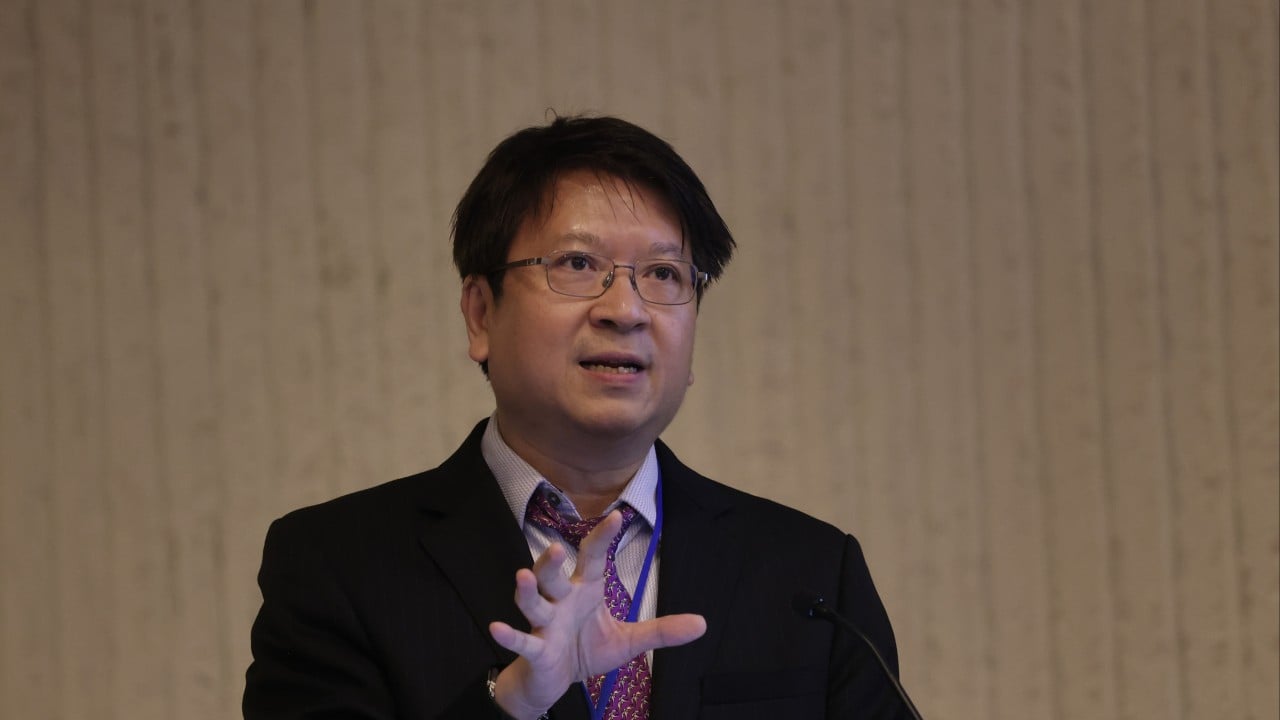
The chalk squeaks against the green slate, a high-pitched scrape that sets teeth on edge. In university lecture halls across the globe, this sound is usually the prelude to wisdom—or at least an earnest attempt at it. But sometimes, the chalk stops. The professor turns around, leans against the mahogany podium, and says the quiet part out loud.
Consider the atmosphere of a modern seminar room. The air smells faintly of old paper, floor wax, and the quiet desperation of undergraduates nursing lukewarm coffee. Students sit in rows, laptops glowing like blue fireflies, fingers poised to transcribe every syllable that might appear on the final examination. Trust is the baseline currency here. Students pay tuition, surrender their time, and grant these institutional figures an enormous amount of intellectual credit. Building on this theme, you can find more in: The Structural Deficit in Transatlantic Bilateralism.
Then comes the poison.
It did not arrive wrapped in the subtle, academic obfuscation we have come to expect from ivory-tower elitism. It arrived raw, blunt, and entirely unmasked. A professor in Hong Kong—someone entrusted with shaping young minds, someone whose salary is paid by a society striving for modern equity—decided that the lecture hall was a suitable theater for casual misogyny. Analysts at Al Jazeera have shared their thoughts on this trend.
The public reaction was swift, ferocious, and entirely necessary. But beneath the outrage lies a deeper, more unsettling question. How many times has this happened off-camera? How many micro-aggressions, casual slurs, and antiquated prejudices have evaporated into the fluorescent-lit air of academia, unrecorded and unpunished?
Power is a strange intoxicant. Give a person a podium, a microphone, and a captive audience of twenty-year-olds who need their signatures to graduate, and a strange alchemy occurs. Some use that platform to build bridges toward understanding. Others use it as a soapbox for bigotry, secure in the tenure-track fortress that protects them from the consequences ordinary employees face daily.
The exposure of these sexist views was not merely a scandal of the week. It was a rent in the fabric of institutional safety. When a professor declares—whether through direct insult or paternalistic condescension—that female students belong to a lower tier of intellectual capability, the contract is broken. The sanctuary becomes a Panopticon.
Let us step into a hypothetical seminar room to understand the human cost of this dynamic. Picture Maya. She is twenty-one, majoring in economics, her notebook organized with meticulous color-coded precision. She sat in the third row on the day the remarks were made. She had spent the previous night drafting an essay on market liquidity, running on four hours of sleep and a quiet determination to prove she belonged in a field dominated by men twice her privilege.
When the sexist remark dropped—framed perhaps as a joke, or an observation about women's "natural" emotional volatility—Maya did not gasp. She did not throw her coffee cup. She simply froze. Her fingers stopped moving across the keyboard. In that singular heartbeat, the immense weight of historical exclusion settled onto her shoulders. She was no longer an economics student grappling with supply curves; she was a representative of her entire gender, forced to calculate whether speaking up would jeopardize her grade or mark her as a troublemaker.
This is the invisible tax of bigotry. It forces marginalized people to expend precious cognitive bandwidth simply surviving the environment while trying to learn the material.
The exposure of these attitudes is good precisely because it drags this tax out of the shadows. For too long, institutional misconduct has been shielded by administrative inertia. Universities are notoriously fond of internal reviews, closed-door committees, and the gentle art of sweeping scandals under the rug until the news cycle moves on. They fear reputational damage far more than they fear the erosion of ethical standards.
When the recording surfaced, it bypassed the bureaucratic filter. It went straight to the public square.
The defense, when it comes, is always predictable. It usually sounds like a variation of "it was taken out of context" or "it was intended as provocative satire." This is the refuge of the coward who wants the thrill of cruelty without the accountability of ownership. Satire punches up. Bigotry kicks down. When a person holding institutional authority targets students, they are not speaking truth to power; they are reinforcing the existing hierarchy with the full backing of their title.
We need to talk about the complicity of silence. Before the recording leaked, other students must have heard similar comments. Colleagues must have noticed the subtle sneers in the faculty lounge. Yet, the system persisted. It takes a monumental breach—a smoking gun caught on a smartphone microphone—to pierce the armor of institutional complacency.
Language matters. The words spoken from a podium carry an amplified resonance. They echo in the dorm rooms long after the lights go out. They whisper in the back of a student's mind during a job interview, asking the quiet, poisonous question: Are they right? Am I out of my depth?
Exposing these views strips away the protective coloration of academic freedom. Academic freedom is designed to protect controversial ideas about political theory, historical interpretation, and scientific hypothesis. It was never intended as a shield for harassment or discrimination. Conflating the two is an insult to the scholars who use their freedom to challenge oppressive systems rather than reinforce them.
The fallout from this incident serves as a stress test for our cultural tolerance. Will the institution prioritize public relations damage control, or will it draw a hard, unambiguous line? The answer dictates whether universities remain incubators of progress or museums of antique prejudice.
Change rarely happens because people suddenly become virtuous. It happens because the cost of remaining silent finally outweighs the cost of speaking out. When a professor's career implodes over exposed bigotry, it sends a shockwave through every faculty lounge in the city. It signals that the old rules—where power insulated you from basic decency—are fracturing.
The lecture hall should be a pressure cooker of ideas, not a pressure chamber of humiliation.
As the semester rolls on in Hong Kong, the chairs in that specific room are still filled. Students still open their laptops. The chalk still leaves its white dust on the wooden ledges. But something has shifted in the atmosphere. The illusion of absolute, unquestioned authority has cracked.
And through that crack, the harsh, cleansing light of accountability pours in. It is uncomfortable. It is messy. It forces uncomfortable conversations across dining room tables and senate floors.
It is long overdue.