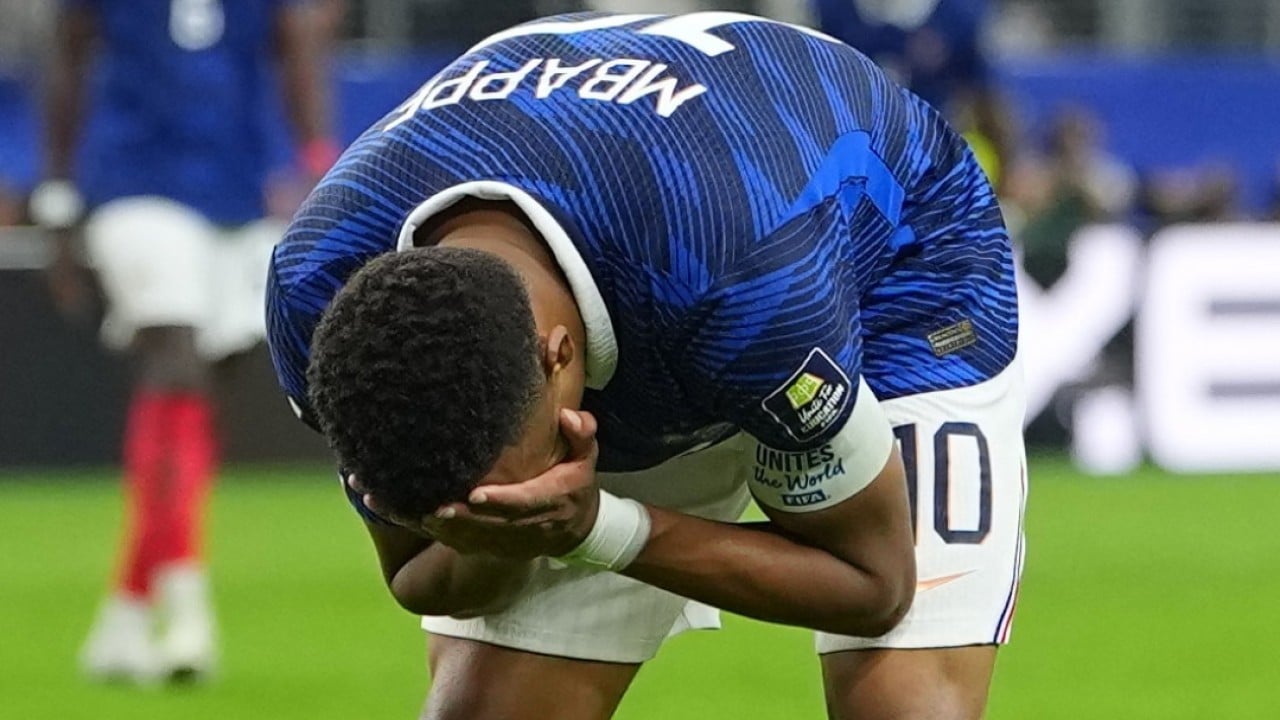
One joke on a meme can cost a superstar millions before lunch. That's what happened to Kylian Mbappé in late October 2026 when a clip or remark tying him to calling Mao Zedong a "dictator" blew up across Chinese social media, triggering rapid sponsor exits and a full-blown PR firestorm.
If you're searching for what went down, the short version is straightforward. Chinese consumer brands severed ties with Mbappé after his remark or comment on a meme referring to Mao Zedong as a dictator sparked fierce outrage online, prompting an apology in three languages and heavy scrutiny of his commercial footprint in China.
Honestly, this wasn't just a routine celebrity slip-up. It collided with two very different worlds at the exact same time: internet football banter and one of the most sensitive political figures in modern Chinese history.
How a Football Meme Sparked a Backlash Against Mbappé
On the pitch, Mbappé is untouchable speed and clinical finishing. Online, though, football culture has its own weird, irreverent humor.
Fans and online meme pages have long played around with nicknames and edited images that superimpose a player's face onto historical or political figures, sometimes riffing on jokes about a star having "dictator" levels of control over a club or dressing room. Once that kind of joke crosses into Mao Zedong, the rules of engagement change overnight.
In China, Mao remains a foundational and deeply sensitive historical figure. Calling him a dictator—even inside a joke, a clip, or a meme thread—hits an immediate nerve across state media, social platforms like Weibo, and everyday consumers. Even news outlets and commentators in China largely avoided repeating the exact wording when condemning the episode, treating it as a line that simply shouldn't be crossed.
Then there's the digital fog around viral clips. Whenever a controversial video or screenshot circulates fast, questions about full context, editing, or authenticity pop up almost immediately. Yet in crisis PR, speed beats nuance every single time. By the time people start asking what was meant or whether a clip tells the whole story, commercial partners are already doing risk math.
Which Brands and Broadcasts Pulled Back
When backlash hits this scale in China, it rarely stays confined to one contract. Brands move fast to protect their shelf space, their stock tickers, and their standing with domestic consumers.
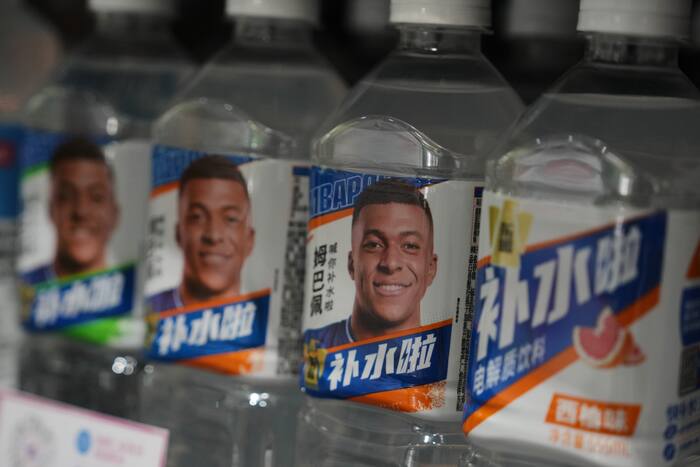
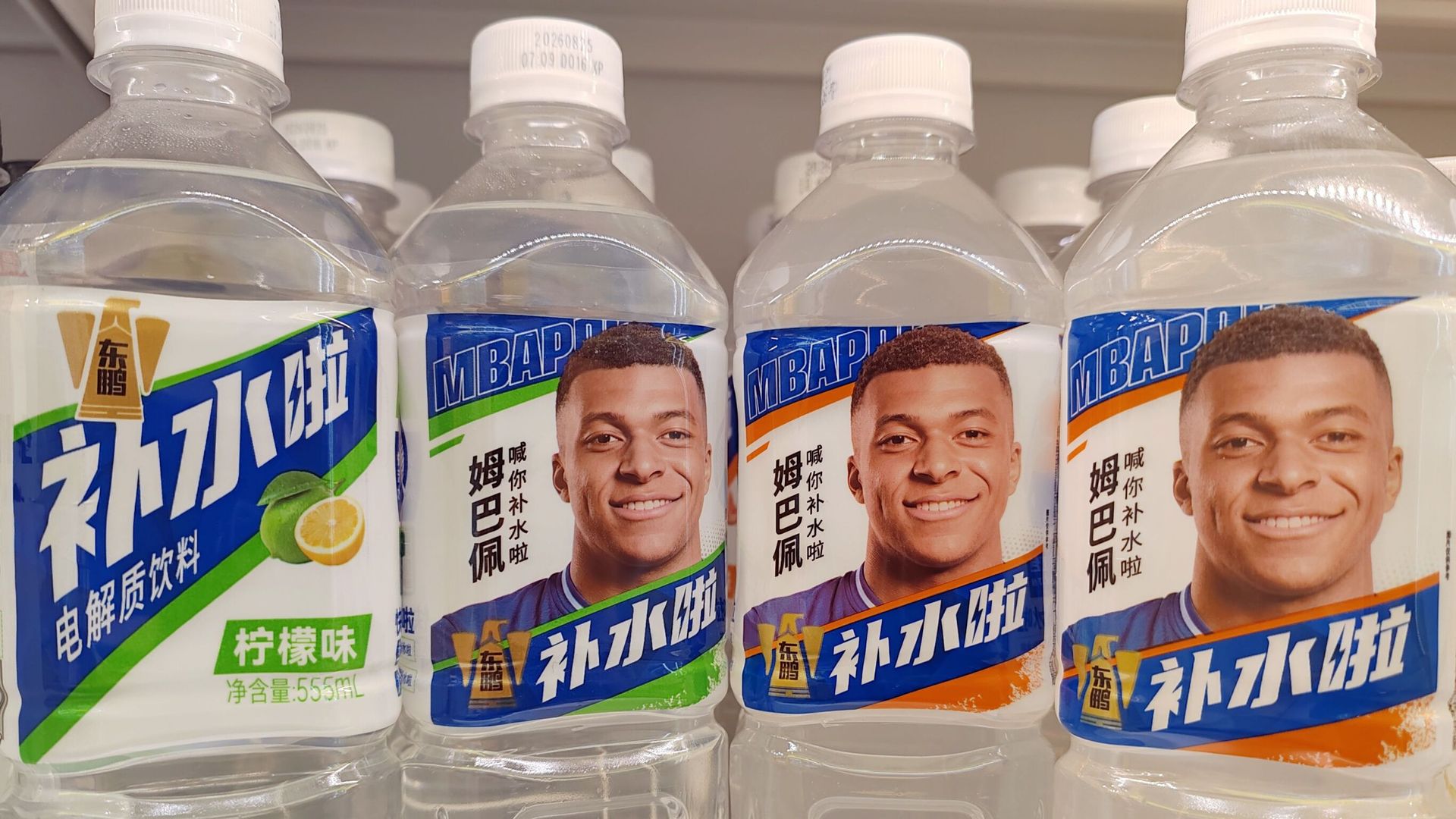
- Dongpeng Beverage (Eastroc Beverage): The energy and electrolyte drink maker—known for packaging and campaigns featuring Mbappé—moved to end cooperation with the forward as online anger surged.
- Mengniu: The major dairy brand also cut ties following the uproar.
- Shanghai Milkground Food Tech: Another dairy player confirmed it was ending cooperation with Mbappé.
- Global luxury and sportswear names: Brands with broader global footprints, including names like Nike, Dior, Rimowa, Hublot, and On Running, faced pressure around localized promotional posts on Weibo as Chinese media reported removals of Mbappé content.
- Media and social platforms: Reports emerged around state broadcaster CCTV pulling or suspending broadcasts and ads tied to him or La Liga, while his presence on Chinese social channels took a direct hit.
What makes this pattern so familiar to anyone who watches global sports marketing is how contagious it is. Once domestic sponsors walk away and trending topics dominate Weibo, silence starts looking like complicity for everyone else.
Respect in high-stakes sponsorship markets isn't treated as a background detail. When consumers feel a red line has been crossed, brands treat distance as survival.
The Apology and Why Damage Control Is Tricky
Mbappé responded with a public apology issued across French, Chinese, and English, calling the remark ill-judged, saying he understood it had hurt people in China and Chinese communities globally, and stressing that causing offense wasn't his intention.
That trilingual rollout shows how seriously his camp took the fallout. You don't publish a statement in three languages unless you're trying to stop a brushfire from turning into a permanent ban.
Still, apologies after political or historical blowback rarely snap things back to normal right away. Some social media users flatly rejected it, while commentators and observers pointed out that words only go so far when trust has been shaken. Outside China, the incident also drew political commentary—such as from the U.S. House Select Committee on China—proving how quickly a sports story can get pulled into broader geopolitical arguments that have nothing to do with football.
La Liga president Javier Tebas tried to steady the wider sports relationship by emphasizing long-term ties and millions of Chinese fans. That's smart league management, though a league's relationship with fans doesn't automatically rescue an individual player's endorsement deals.
What This Reveals About Global Star Power
I've watched plenty of athletes navigate PR storms over the years, and the biggest mistake people make is assuming on-field greatness acts as a shield everywhere. It doesn't.
When a player reaches Mbappé's level, they aren't just an athlete anymore. They're a walking billboard, a cultural symbol, and a brand asset across dozens of markets at once. A joke that feels harmless—or edgy—in one corner of the internet can read as an outright insult in another.
Here's what separates the smart moves from the messy ones in moments like this:
- Audit your digital circle, not just your own feed. Superstars don't live in a vacuum. Clips, jokes, and shared moments involving teammates, friends, or editors travel fast, and the star usually takes the heat regardless of who started the joke.
- Own the mistake fast without getting defensive. Blaming "misunderstood humor" or arguing semantics on day one almost always prolongs the fight. A clean, direct acknowledgment lands better than excuses, even if it doesn't win everyone back immediately.
- Separate league diplomacy from personal endorsements. Leagues like La Liga can talk about long-term partnerships and fanbases, while individual sponsors have to answer to quarterly numbers and local backlash. Players have to manage their own brand risk directly.
- Watch actions after the statement fades. Apologies buy a pause, not a pardon. Consistent conduct and steady play on the pitch matter far more over the following months than a single post.
At the end of the day, football still happens on grass, not in comment sections. Yet off the pitch, the business of global stardom has never been more fragile—one ill-timed joke can rewrite a sponsorship portfolio before the final whistle even blows.