Canada faces a fundamental mismatch between its stated circumpolar ambitions and the institutional architecture deployed to execute them. As geopolitical competition accelerates across the polar north, policy announcements regarding defence procurement, northern infrastructure, and territorial sovereignty routinely outpace the specialized human capital required to manage complex multilateral friction. Assessing whether Ottawa maintains adequate diplomatic bandwidth in the Arctic requires examining three structural variables: the centralization of expertise, the opportunity cost of consular scaling, and the friction coefficients of inter-agency coordination.
The historical trajectory of Canada's circumpolar representation reveals an erratic institutional memory. The elimination of specialized hubs—such as the closure of the Canadian International Arctic Centre in Oslo—and the periodic reorganization of the Arctic ambassador portfolio illustrate a preference for symbolic appointments over permanent operational capacity. While successive federal strategies identify the region as a primary theater for national security and economic sovereignty, the diplomatic machinery remains largely tethered to generalized foreign service rotations. This model creates severe institutional drag. Generalist diplomats cycle through northern dossiers every two to three years, preventing the accumulation of deep, tacit expertise necessary to navigate the nuances of indigenous co-governance, cross-border continental shelf claims, and adversarial maritime transits.
To quantify the operational deficit, one must analyze the cost function of regional diplomacy. Global Affairs Canada faces recurring budgetary and administrative friction when attempting to sustain physical footprints in high latitudes. Ground-level presence requires sustained capital outlays for consulates, secure communications, and localized engagement infrastructure. When fiscal rationalization prioritizes centralized domestic policy formulation over field presence, the state loses its primary sensory apparatus. Relying on digital engagement or remote oversight from southern capitals strips diplomacy of its informal feedback loops—the bilateral trust networks forged in regional forums, bilateral working groups, and northern multilateral institutions.
The strategic consequence of this capacity shortfall manifests across three distinct friction points:
- Bilateral Asymmetry with Regional Superpowers: Major Arctic competitors maintain dedicated, militarized, and permanently staffed diplomatic corps focused exclusively on polar affairs. Canada's periodic engagement strategy struggles to match this sustained output, leaving the country structurally reactive during border disputes or scientific sovereignty challenges.
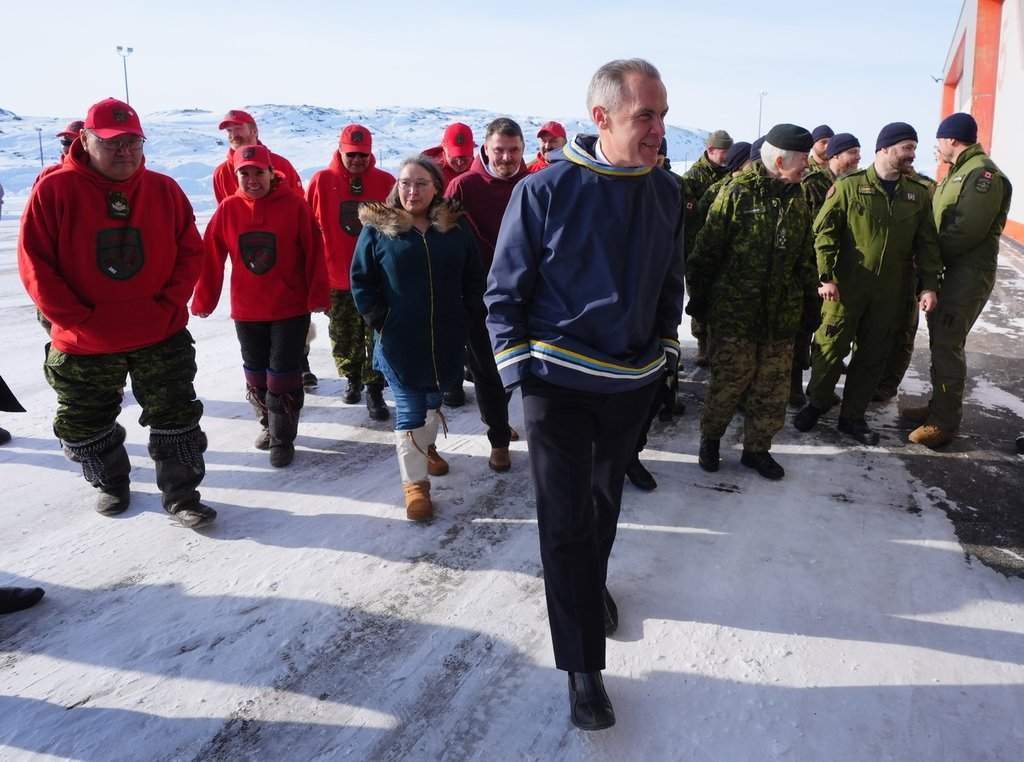
- Integration Gaps with Indigenous Governance: True Arctic diplomacy cannot be executed via top-down federal directives. The inclusion of northern and indigenous partners requires dedicated diplomatic structures capable of coordinating international indigenous rights, cross-border mobility, and traditional knowledge integration. Under-resourced foreign service pipelines often treat these imperatives as compliance checkboxes rather than foundational pillars of statecraft.
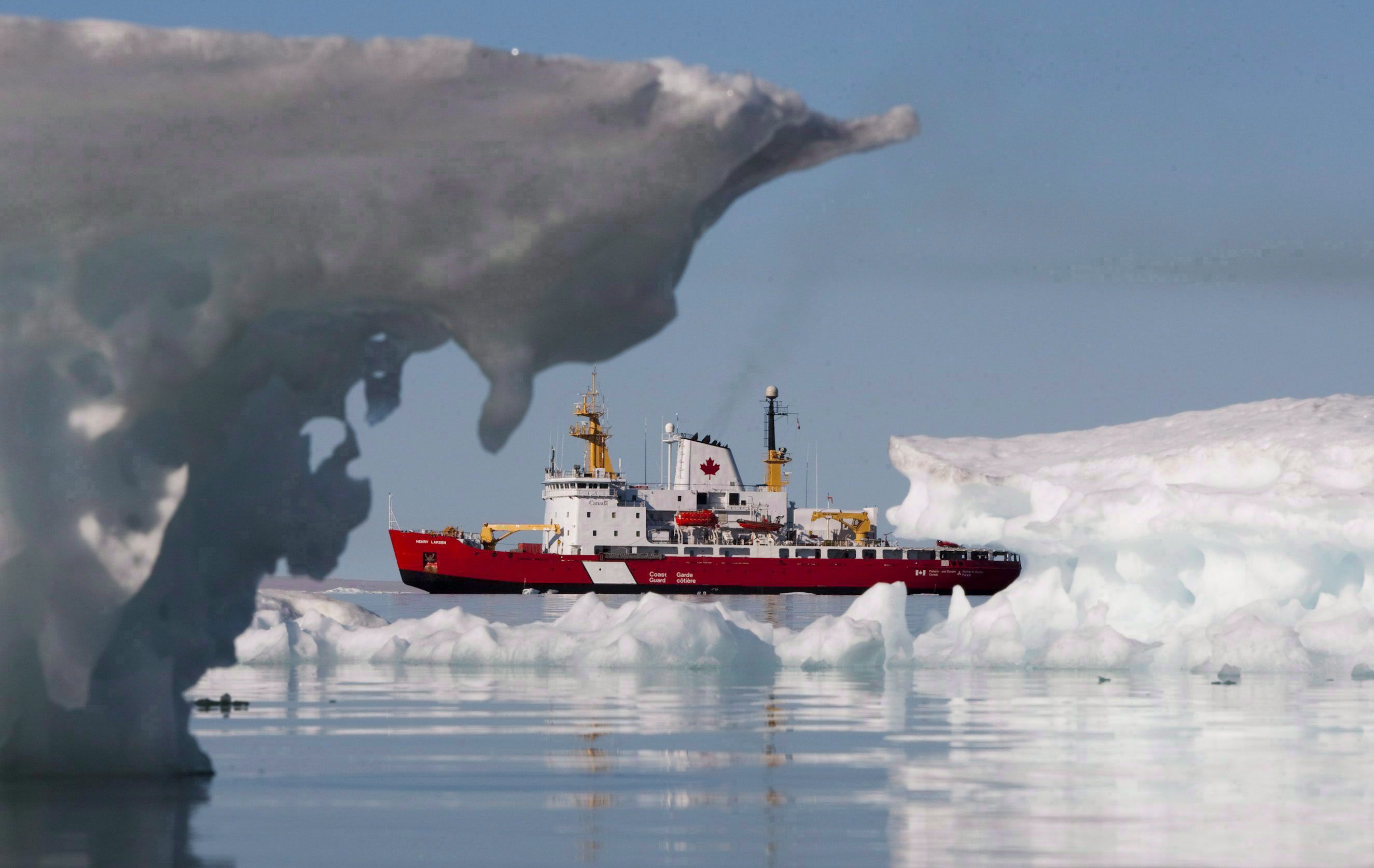
- The Defence-Diplomacy Disconnect: Recent capital injections into northern military assets, icebreakers, and surveillance radar networks require parallel diplomatic frameworks to manage rules-based order maintenance. Without diplomats embedded alongside defence planners, procurement and operational deployments risk signaling escalation without securing the cooperative treaties needed to stabilize contested maritime boundaries.
Addressing this structural deficit demands a departure from cyclical policy declarations. Ottawa must decouple circumpolar representation from general foreign service rotation models, establishing a permanent, specialized cadre of Arctic diplomats whose careers are anchored in regional expertise, circumpolar law, and northern domestic realities. Until the human capital baseline matches the physical and geopolitical reality of the northern frontier, Canada's strategic policy documents will remain expressions of intent rather than instruments of control.