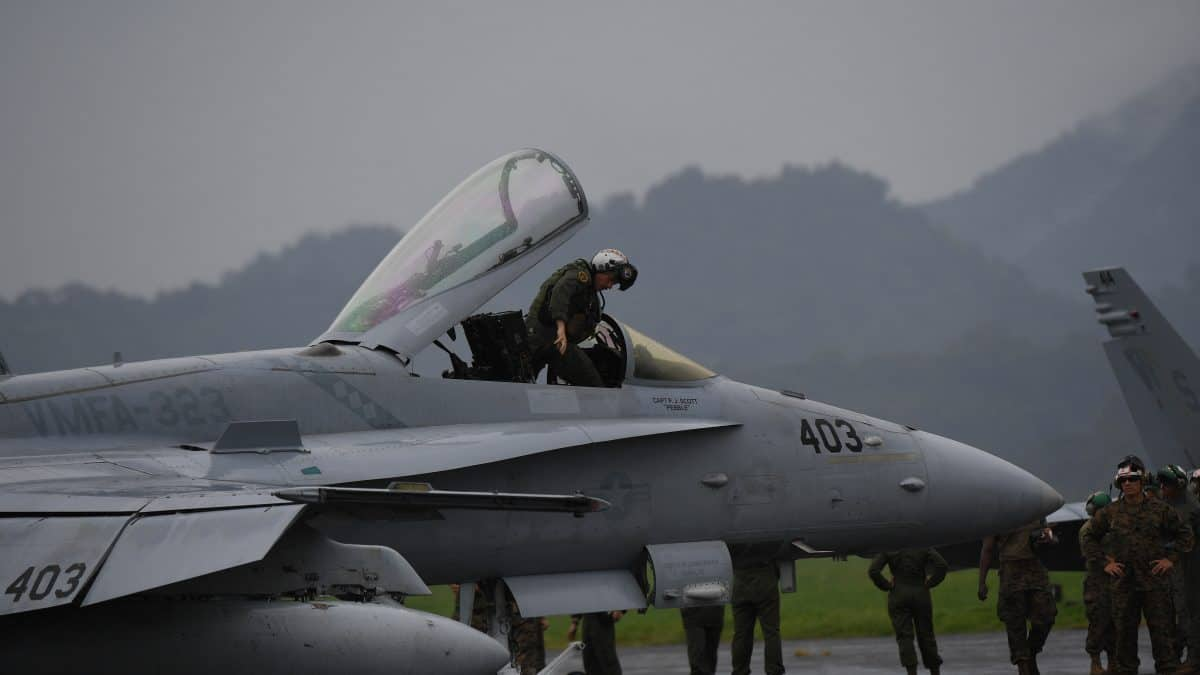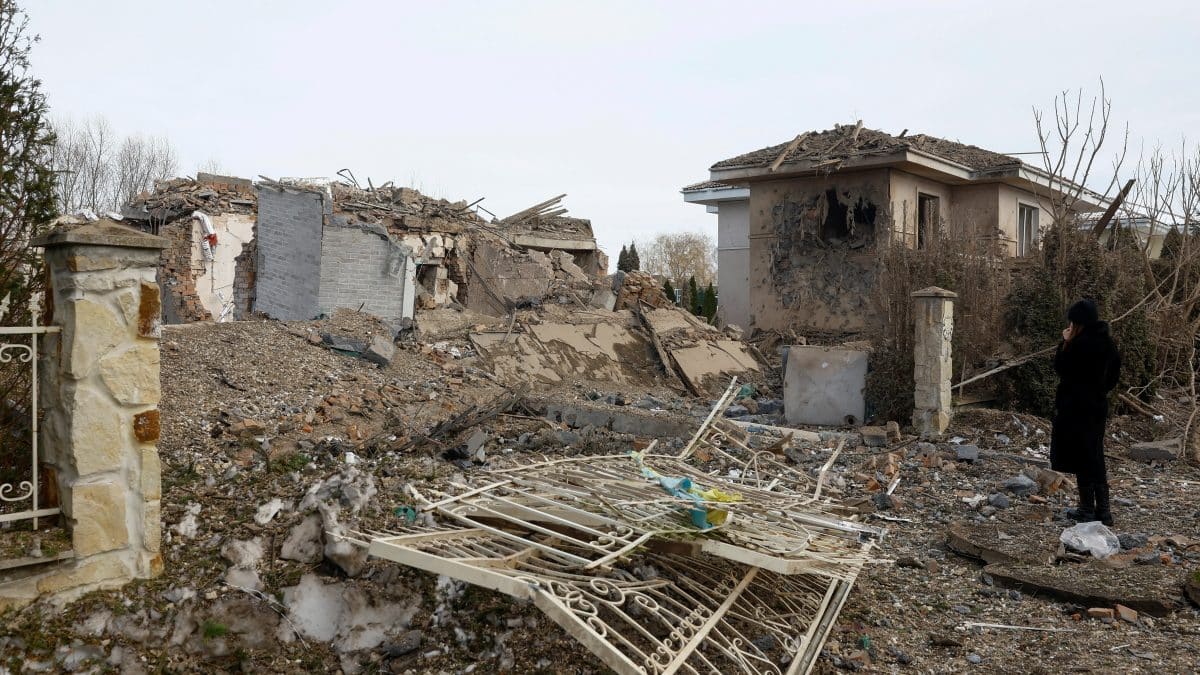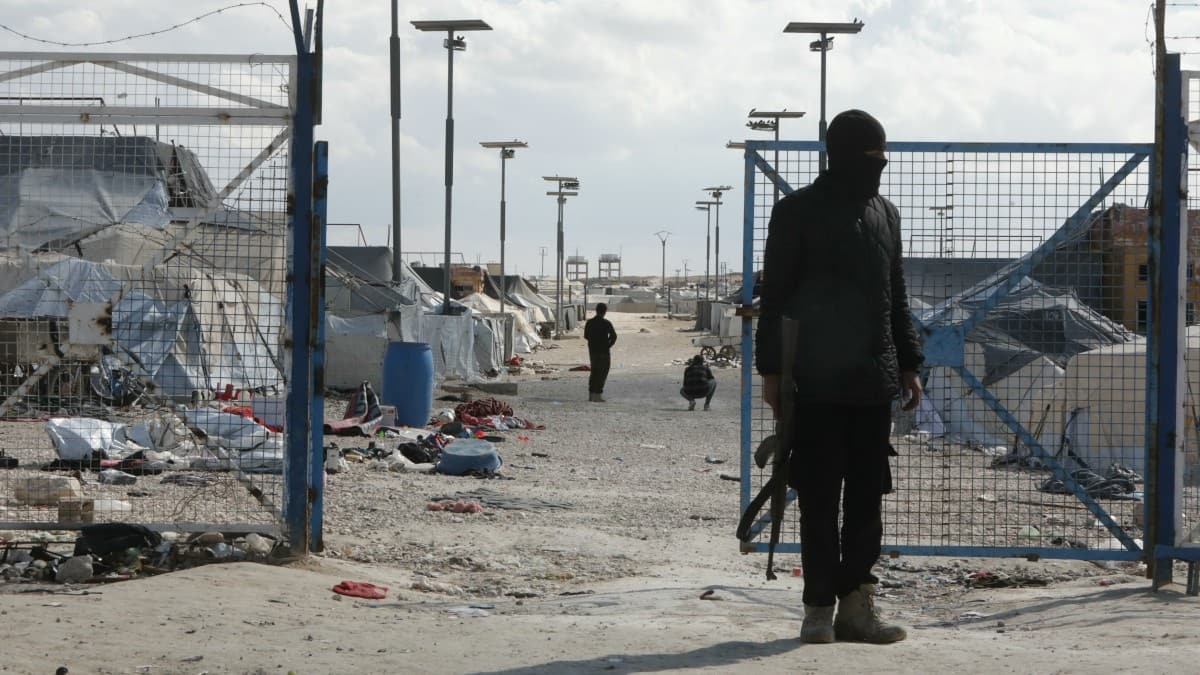
The rumors suggesting the shoot-down of a Pakistan Air Force (PAF) F-16 by Taliban forces represent a critical case study in the intersection of kinetic border skirmishes and the psychological operations of asymmetric warfare. To evaluate the validity of these claims, one must move beyond the social media noise and analyze the structural constraints of the hardware involved, the logistical realities of the Durand Line, and the strategic incentives governing both the Islamic Emirate of Afghanistan (IEA) and the Pakistani military establishment. The baseline reality is dictated by physics and electronic signatures, not viral sentiment.
The Technical Threshold of Surface-to-Air Capabilities
The primary friction point in the "F-16 shoot-down" narrative lies in the technological mismatch between the Taliban’s current arsenal and the flight profile of a fourth-generation multirole fighter. Analyzing this requires a breakdown of the three tiers of anti-aircraft engagement.
- Man-Portable Air-Defense Systems (MANPADS): The Taliban possesses aging Soviet-era Strela-2 (SA-7) and potentially some captured FIM-92 Stinger units or Chinese QW-series variants. These are infrared-seeking missiles designed for low-altitude engagements, typically effective up to 10,000–12,500 feet.
- Anti-Aircraft Artillery (AAA): Systems like the ZU-23-2 are prevalent in the IEA inventory. While lethal against helicopters and low-flying CAS (Close Air Support) assets, they lack the tracking radar necessary to intercept an F-16 operating at standard combat altitudes or high subsonic speeds.
- Strategic Surface-to-Air Missiles (SAMs): There is zero evidence that the Taliban has operationalized high-altitude, radar-guided SAM systems (such as the S-300 or Buk) which would be required to reliably down a PAF F-16 equipped with modern Electronic Countermeasures (ECM) and the Integrated Defensive Electronic Warfare Suite (IDEWS).
An F-16 conducting strikes along the border typically utilizes its standoff range or high-altitude ingress. For a MANPADS to achieve a lock, the aircraft would need to be flying a "show of force" profile—low, slow, and within the thermal acquisition envelope. Given the PAF’s operational doctrine, which emphasizes high-altitude precision-guided munitions (PGMs) for border strikes to minimize risk, the probability of an unguided or IR-guided man-portable system scoring a hit remains statistically negligible.
The Information Vacuum and the Propagation of Disinformation
In the absence of verified combat footage or wreckage telemetry, the "shoot-down" narrative functions as a force multiplier for the Taliban’s domestic legitimacy. This phenomenon can be mapped through the OODA Loop (Observe, Orient, Decide, Act) of information warfare.
- Observation: Kinetic activity occurs at the border (artillery exchanges or airstrikes).
- Orientation: Local actors and digital partisans interpret the flashes or smoke as a downed aircraft to boost morale.
- Decision: State and non-state actors choose to let the rumor persist to project an image of vulnerability against the adversary.
- Action: The rumor becomes a "fact" within decentralized digital echo chambers before official denials can be issued.
The lack of visual evidence is the strongest technical counter-argument. In 2024, every combatant and civilian observer possesses a high-definition camera. The crash of a multi-million dollar airframe creates a massive debris field and a localized environmental signature that is impossible to conceal in the age of persistent satellite overwatch (OSINT). If an F-16 were down, the Taliban would have paraded the wreckage or the pilot within hours to secure a massive propaganda victory and leverage in negotiations. Silence, in this context, is a definitive data point indicating the event did not occur.
The Cost Function of Escalation
The border tensions between Pakistan and Afghanistan are governed by a fragile cost-benefit analysis. For Pakistan, the use of the F-16 serves as a calibrated escalation—a signal of technical superiority and a willingness to violate sovereignty to strike Tehrik-i-Taliban Pakistan (TTP) sanctuaries.
For the Taliban, claiming or actually achieving a shoot-down shifts the cost function. If the IEA were to successfully down a PAF jet, it would force Pakistan into a "Dominance Escalation" trap. Pakistan would be militarily compelled to respond with a massive air campaign to suppress Afghan air defenses and salvage national prestige. The Taliban, currently struggling with economic stabilization and international recognition, cannot afford a full-scale conventional war that would jeopardize their hold on Kabul.
Mapping the Conflict Variables
| Variable | Pakistan's Position | Taliban's Position |
|---|---|---|
| Objective | Neutralize TTP safe havens; deter border incursions. | Maintain sovereignty; support ideological allies without total war. |
| Primary Tool | Air superiority (F-16s, JF-17s, Drones). | Light infantry; IEDs; psychological warfare. |
| Risk Threshold | High (Domestic political instability limits military overreach). | Critical (Sanctions and famine make sustained war untenable). |
Structural Vulnerabilities in Border Surveillance
The Durand Line’s geography complicates verification. The mountainous terrain creates "radar shadows" where low-flying objects can disappear from ground-based sensors. This geographic reality allows for the persistence of rumors because neither side can provide a comprehensive, 24/7 radar track of every square meter to the public.
However, we must distinguish between a "mechanical failure" and a "combat loss." If a PAF jet were lost due to the high-stress environment of mountain operations (Controlled Flight Into Terrain or engine flameout), the Taliban would likely claim it as a shoot-down to manufacture the illusion of capability. Without a hull loss, the entire discussion remains a speculative exercise in digital tribalism.
The Strategic Shift Toward Unmanned Platforms
A critical oversight in most analyses of this friction is the transition from manned to unmanned platforms. Pakistan has increasingly utilized the Wing Loong II and Burraq drones for border reconnaissance and strike missions.
- Reduced Political Risk: The loss of a drone does not result in a captured pilot or a national day of mourning.
- Lower Signature: Drones are harder to detect visually and acoustically for ground insurgents.
- Persistent Loitering: They provide the "eyes" that manned jets lack in complex terrain.
If a "downed aircraft" claim surfaces, it is far more likely to be a tactical UAV than an F-16. The misidentification of a large drone as a fighter jet is a common occurrence in high-tension zones, driven by the observer's lack of technical training and the desire for a high-value narrative.
The Bottleneck of Evidence-Based Reporting
The current media ecosystem suffers from a "first-to-report" incentive that bypasses technical verification. This creates a bottleneck where the volume of speculation outpaces the speed of forensic analysis. To accurately assess future claims in the Pak-Afghan theater, analysts must prioritize the following indicators:
- Signal Intelligence (SIGINT): Any reported loss would be preceded or followed by a spike in Search and Rescue (SAR) radio traffic and the deployment of "Combat SAR" assets like Mi-17 or AW139 helicopters.
- Satellite Imagery: Revisit thermal anomalies at reported crash sites via providers like Sentinel-2 or MAXAR.
- Geolocation: Cross-referencing civilian footage with known topography to confirm the location and time of the alleged event.
The F-16 remains the crown jewel of the Pakistan Air Force. Its deployment is a calculated move of high-tier deterrence. The Taliban, while effective at guerrilla tactics, currently lacks the Integrated Air Defense System (IADS) required to challenge this platform. Until the IEA acquires or operationalizes medium-to-long-range radar-guided systems, any claim of a downed F-16 should be treated as a component of a psychological operation rather than a kinetic reality.
Investors, regional security analysts, and policymakers must ignore the "unverified" clickbait and focus on the deployment patterns of Pakistani heavy artillery and the movement of TTP cadres. These are the true leading indicators of escalation. The next strategic move is not found in a social media thread, but in the hardening of Pakistani forward operating bases and the potential deployment of more sophisticated Chinese-made HQ-9 or HQ-16 SAM systems by Pakistan to further seal the airspace against any theoretical Afghan incursions. Monitoring the flight paths of PAF tankers (IL-78) will provide the necessary lead time to predict sustained air operations before they hit the headlines.