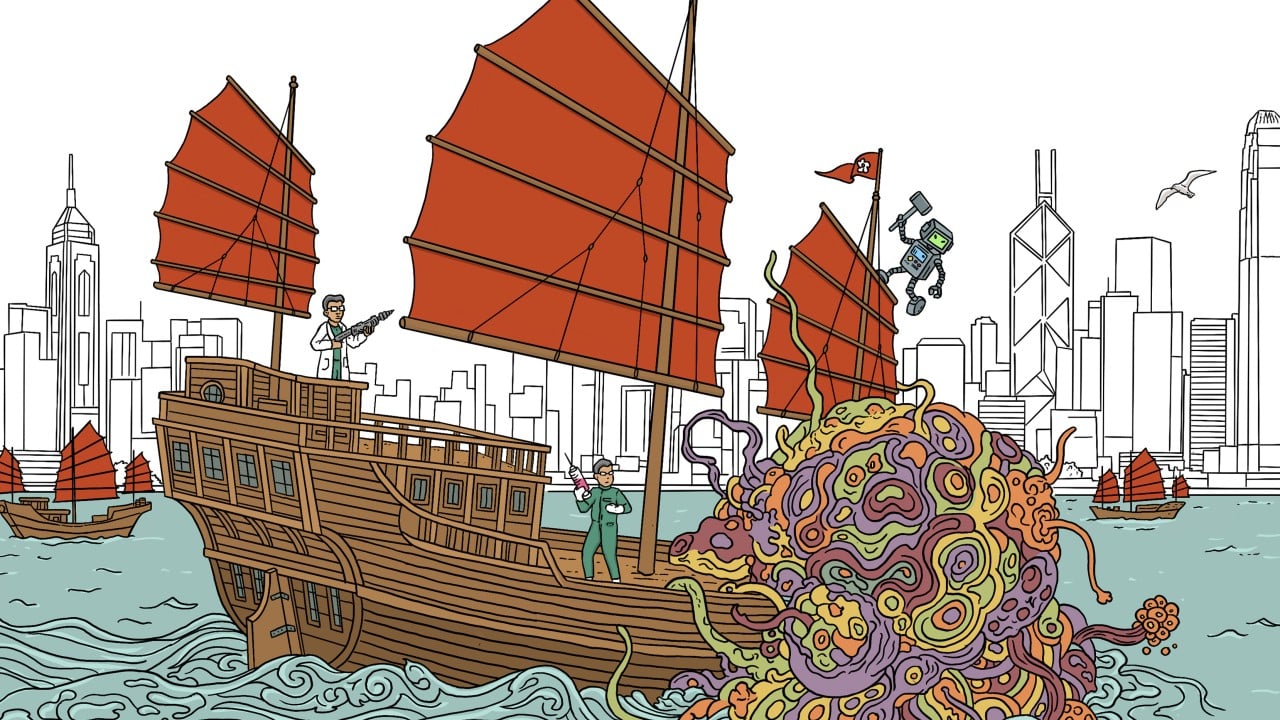
Medical terminology shapes human suffering. For centuries, the language used to describe chronic female health conditions has dismissed, minimized, and obscured the actual biological reality of those living with them. By systematically renaming conditions like chronic fatigue syndrome, endometriosis, and polycystic ovary syndrome, medical advocates are attempting to strip away historical stigma, force a recalibration of research funding, and compel a dismissive healthcare system to take women seriously. This is not a superficial debate over semantics. It is a calculated political and clinical battle to secure basic diagnostic survival for millions of overlooked patients.
The Architecture of Misdiagnosis
The words written in a medical chart dictate how a doctor treats a patient. When those words carry historic baggage or biological inaccuracies, the patient loses before the examination even begins.
Consider chronic fatigue syndrome. The name evokes a sense of everyday tiredness, a universal complaint that invites casual skepticism. For decades, patients presenting with profound, multi-systemic failures were told they were merely exhausted, or worse, suffering from a psychosomatic aversion to exertion.
The reality changed when advocates and sympathetic researchers pushed for the adoption of Myalgic Encephalomyelitis/Chronic Fatigue Syndrome (ME/CFS). The introduction of "myalgic encephalomyelitis"—which indicates muscle pain and inflammation of the brain and spinal cord—shifted the conversation from a psychological flaw to a neurological and immunological crisis.
A similar linguistic crisis compromises the treatment of Polycystic Ovary Syndrome (PCOS).
The name is a double misnomer. First, the "cysts" observed on the ovaries are not actually cysts at all; they are underdeveloped follicles arrested in their growth cycle. Second, focusing entirely on the ovaries obscures the fact that PCOS is fundamentally a metabolic and endocrine disorder driven by insulin resistance.
Women with PCOS are routinely dismissed by general practitioners who tell them to lose weight or take a contraceptive pill to regulate their periods. Because the name anchors the condition to reproduction, the systemic risks—including type 2 diabetes, cardiovascular disease, and non-alcoholic fatty liver disease—are frequently ignored until severe damage has occurred.
The Funding Desert
Medical nomenclature directly influences where research dollars flow. Bureaucrats managing government grants allocate budgets based on perceived severity and clear biological definitions.
When a condition sounds vague or minor, it slips to the bottom of the priority pile. This structural neglect creates a vicious cycle.
[Vague/Trivializing Name]
       │
       ▼
[Low Clinical Urgency Perception]
       │
       ▼
[Minimal Research Funding]
       │
       ▼
[Lack of Diagnostic Tools & Therapies]
       │
       ▼
[Continued Patient Dismissal]
The National Institutes of Health (NIH) historical funding patterns reflect this dynamic clearly. Conditions predominantly affecting women receive a fraction of the funding allocated to conditions of similar prevalence that affect men.
Endometriosis affects an estimated 10% of women globally. It involves tissue similar to the lining of the uterus growing outside the uterus, causing chronic pain, internal scarring, and infertility. Despite its massive prevalence and the billions of dollars lost annually in workforce productivity, it has historically received less research funding than rare diseases that affect only a few thousand people.
The name itself contributes to the bottleneck. "Endometriosis" sounds like a localized gynecological inconvenience. Some researchers argue that renaming it something akin to Systemic Endometriotic Disease would accurately reflect its systemic nature, as these endometrial-like lesions have been found in the lungs, diaphragm, and even the brain. A systemic label forces the medical establishment to view the disease through an internal medicine lens rather than treating it as a simple pelvic issue.
The Hidden Danger of Relabeling
Changing a name is not a magic bullet. If executed poorly, it can create a new layer of bureaucratic confusion that leaves patients more isolated than before.
Insurance companies are notoriously rigid institutions. They rely on the International Classification of Diseases (ICD) codes to process claims, approve diagnostic tests, and authorize specialized treatments.
If an advocacy group successfully renames a condition, a dangerous transition period occurs. Doctors must learn the new terminology, coding systems must be updated, and insurance guidelines must be rewritten. During this multi-year lag, patients can find their coverage denied because their doctor used a new term that the insurance algorithm does not yet recognize.
There is also the risk of fracturing a patient community.
When a broad umbrella term is broken down into more accurate, specific sub-categories, the collective political power of that patient group can diminish. A unified group of millions demanding research funds carries significant political weight. Splitting that group into three or four distinct, scientifically precise cohorts might dilute their lobbying power, making it easier for policymakers to ignore them.
The Mental Cost of a Bad Label
The psychological burden of carrying a trivialized diagnosis is immense. Patients do not just fight their symptoms; they fight the skepticism of their friends, employers, and family members.
Imagine a hypothetical patient who is diagnosed with a condition labeled "Chronic Pelvic Pain." The name describes a symptom, not a cause. When she explains her absence from work to her employer, the term sounds vague, perhaps even subjective. The employer may wonder why an over-the-counter painkiller cannot resolve the issue.
Now imagine that same patient is diagnosed with Systemic Fibrotic Pelvic Disease. The linguistic shift changes everything. It communicates a structural, objective pathology. The employer understands that this is a serious medical condition requiring specialized intervention, not an intolerance to discomfort.
A precise name validates the patient's lived experience. It transforms an invisible, doubted suffering into an undeniable medical reality.
The Path to Linguistic Reclamation
To change how women are treated in clinics and research labs, the medical vocabulary must undergo a systematic overhaul. This requires a coordinated strategy involving patients, clinicians, and international health organizations.
- Ditch the Eponyms: Medical conditions named after the male doctors who discovered them—often decades or centuries ago—frequently obscure the underlying pathology. Replacing these names with descriptive, biological terms removes historical bias.
- Emphasize Systemic Impact: Conditions that affect the entire body must stop being pigeonholed as purely gynecological or psychological issues. The nomenclature must reflect the full scope of the disease.
- Involve Patients in the Process: Historically, panels of male physicians decided what to call women's illnesses. Modern renaming committees must give equal weight to patient advocates who understand the social and professional stigma carried by specific words.
The fight over medical terminology is a fight for clinical resources, scientific accuracy, and human dignity. Until the language of medicine accurately reflects the severity of these conditions, millions of women will continue to suffer in the shadow of words that minimize their pain. The medical community must accept that renaming an illness is not an exercise in political correctness; it is the first step toward a cure.