The viral story of the "stranded" patient is a masterclass in emotional manipulation that obscures a brutal, systemic reality. You've seen the headlines: a British traveler, mid-cancer battle, stuck in a foreign ICU while the insurance company "stalls" and the family begs for a private air ambulance. It paints a picture of corporate greed versus human life.
It's a lie. Or at the very least, a dangerous half-truth that encourages travelers to gamble with their lives based on a fundamental misunderstanding of how global medicine and insurance indemnity actually function.
We need to stop treating these cases as freak accidents or heartless bureaucratic failures. They are the predictable result of a "she’ll be right" attitude toward complex medical logistics. If you think a standard travel policy is a blank check for a private jet the moment things get scary, you aren’t just wrong—you’re uninsurable.
The Air Ambulance Delusion
The public expects an air ambulance to work like an Uber. It doesn't.
Medical repatriation is not a taxi service; it is a high-stakes clinical transfer. When a patient is "fit to fly," it doesn't mean they can sit in 2B on a commercial flight with an extra pillow. It means their physiology can withstand the atmospheric pressure changes of a pressurized cabin without their lungs collapsing or their intracranial pressure spiking.
In the Dubai case—and dozens like it—the delay isn't usually about the cost of the fuel. It’s about the Clinical Handover.
- Fact: A UK hospital cannot just "accept" a patient from a foreign ICU because a family member called them.
- Fact: Beds in the NHS are not reserved for citizens currently abroad; they are allocated based on immediate clinical need within the local catchment.
- The Reality: If the receiving hospital in London or Manchester doesn't have an ICU bed with the specific equipment required for a late-stage cancer patient, that air ambulance stays on the tarmac.
I’ve seen families spend £60,000 of their own money to hire a private jet, only to have the pilot refuse to take off because the paperwork at the destination hadn't cleared. Insurance companies aren't "stalling"; they are navigating a labyrinth of international health laws that the average holidaymaker refuses to acknowledge exist until they are staring at a $10,000-a-day hospital bill.
Your Pre-Existing Condition is a Loaded Gun
The "lazy consensus" in these viral stories is that the insurance company is "finding excuses" not to pay. Let’s be cold about this: Insurance is a contract, not a GoFundMe page.
Most travelers view the "pre-existing condition" tick box as a suggestion. It’s not. If you have been diagnosed with a terminal or chronic illness and you fly to a territory like the UAE or the USA without a specific, high-premium rider that explicitly covers acute exacerbation of that condition, you are self-insuring.
When you see a headline about a cancer patient "stranded," the first question you should ask isn't "Why won't they pay?" but "What did the policy document actually say?"
If you hide a diagnosis to save £40 on a premium, you aren't "beating the system." You are betting your life against a team of forensic underwriters whose entire job is to find the discrepancy between your medical records and your application. They will find it. They always do.
The Dubai Factor: The Price of Luxury Healthcare
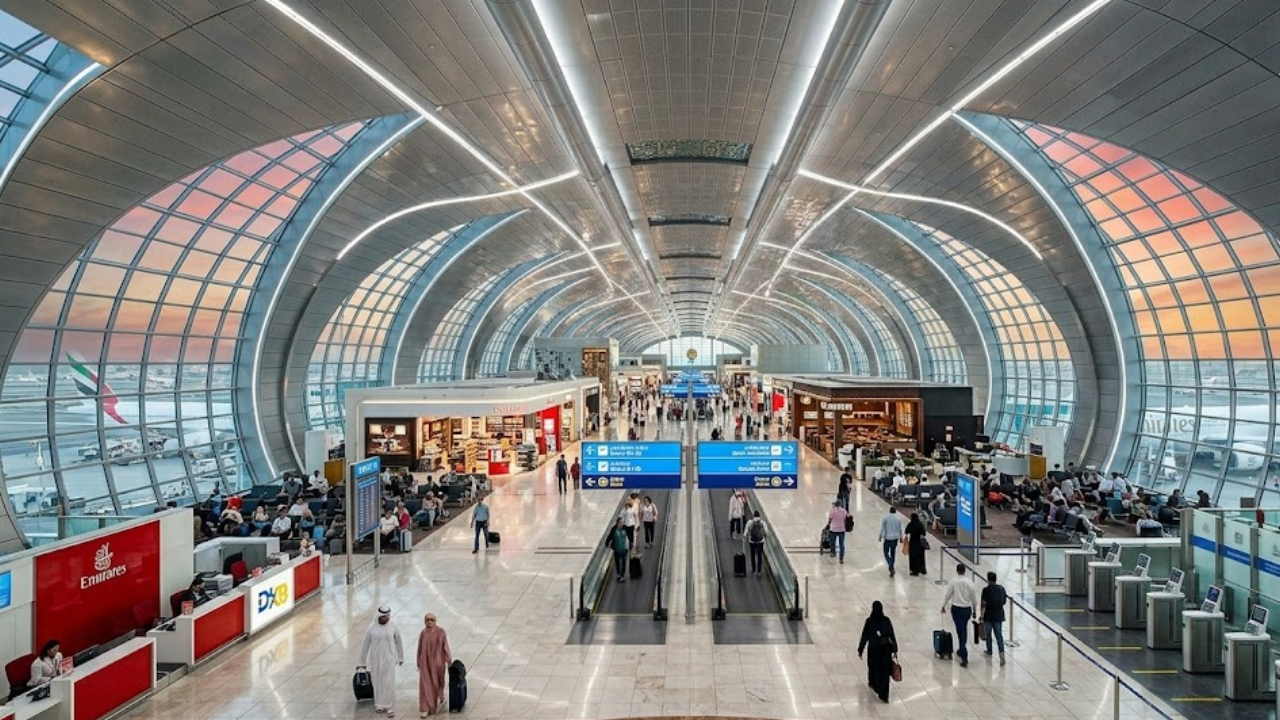
Dubai is often the setting for these tragedies because it offers a lethal combination of high-end medical facilities and astronomical costs. It is the "Wild West" of private billing.
In the UK, we are insulated by the NHS. We don't understand that in a private Dubai clinic, every gauze pad, every milligram of morphine, and every minute of a consultant’s time is billed at a margin that would make a Silicon Valley VC blush.
When a British citizen gets stuck there, the "stranding" is often a legal lien. Hospitals in the UAE have, historically, been known to withhold discharge papers—or even involve the police—over unpaid medical debts. This isn't a "travel" issue; it's a "sovereign law" issue. No amount of tweeting at the Foreign, Commonwealth & Development Office (FCDO) changes the fact that you signed a financial responsibility form at the admissions desk.
Why We Need to Kill the "Heroic Family" Narrative
The media loves the family members who "fight" the insurance company. While their intent is noble, their methods often make the situation worse.
By taking a medical dispute to the press while the clinical team is still stabilizing the patient, families often force a "hard-line" response from the insurers. Once a case becomes a PR nightmare, the insurer’s legal department takes over from the claims department. Decisions that could have been made with nuance and "ex-gratia" (goodwill) payments are suddenly scrutinized for precedent-setting risks.
You aren't "shaming" them into paying; you are locking them into a defensive legal crouch.
The Uncomfortable Truth About "Fit to Fly"
Here is the part nobody wants to say out loud: Sometimes, the most "humane" thing is to stay put.
Moving a critically ill patient across four time zones and 3,000 miles is a trauma. The obsession with "getting them home to a British bed" is often driven by emotional comfort rather than clinical outcomes.
If a patient is in a world-class facility in Dubai, the medical argument for moving them is often zero. The move is for the family’s convenience or to stop the financial bleeding. Insurers know this. They aren't required to pay for your emotional preference; they are required to pay for "medically necessary" care. If the care in the foreign country is adequate, they have every right to refuse the repatriation costs.
How to Actually Protect Yourself (The Non-Standard Advice)
If you are traveling with a serious illness, stop following the "Top 10 Travel Tips" from lifestyle bloggers. Follow the money.
- Direct Brokerage: Never buy travel insurance from a comparison site if you have a complex medical history. You need a broker who can call an underwriter and get a "bespoke endorsement" in writing. It will cost five times as much. Pay it.
- The "Stabilization" Clause: Read your policy for the definition of "stable." In many contracts, if your medication has changed in the last 90 days, you are NOT stable. Even if your doctor said you’re fine to go, the insurer’s definition wins.
- Repatriation of Remains vs. Repatriation of Patient: It sounds morbid, but check the limits. Many policies offer $1,000,000 for medical bills but only $10,000 for "repatriation." An air ambulance from the Middle East to London starts at $50,000.
- Credit Card Limits: If you can't put $20,000 on a card instantly, don't travel to a country without reciprocal healthcare (like the EHIC/GHIC system in Europe).
The Moral Hazard of Sympathy
Every time a "stranded" traveler gets a massive payout from a crowdfunding campaign or a forced insurance u-turn, it creates a moral hazard. It reinforces the idea that the rules don't apply if your story is sad enough.
This leads to more people flying without adequate cover, more people lying on their medical forms, and more families devastated when the "viral" strategy fails to work for them.
The insurance company isn't the villain of this story. The villain is the collective delusion that international travel is a right that comes with a global safety net. It isn't. It’s a high-risk logistical operation.
If you can’t afford the insurance that actually covers your reality, you can’t afford the trip.
Stop asking for "fairness" in a system built on actuarial probability. Start reading the fine print before you get to the airport, because once the ICU doors swing shut in a foreign land, your "rights" are exactly what you paid for—and not a penny more.
Everything else is just noise for the evening news.