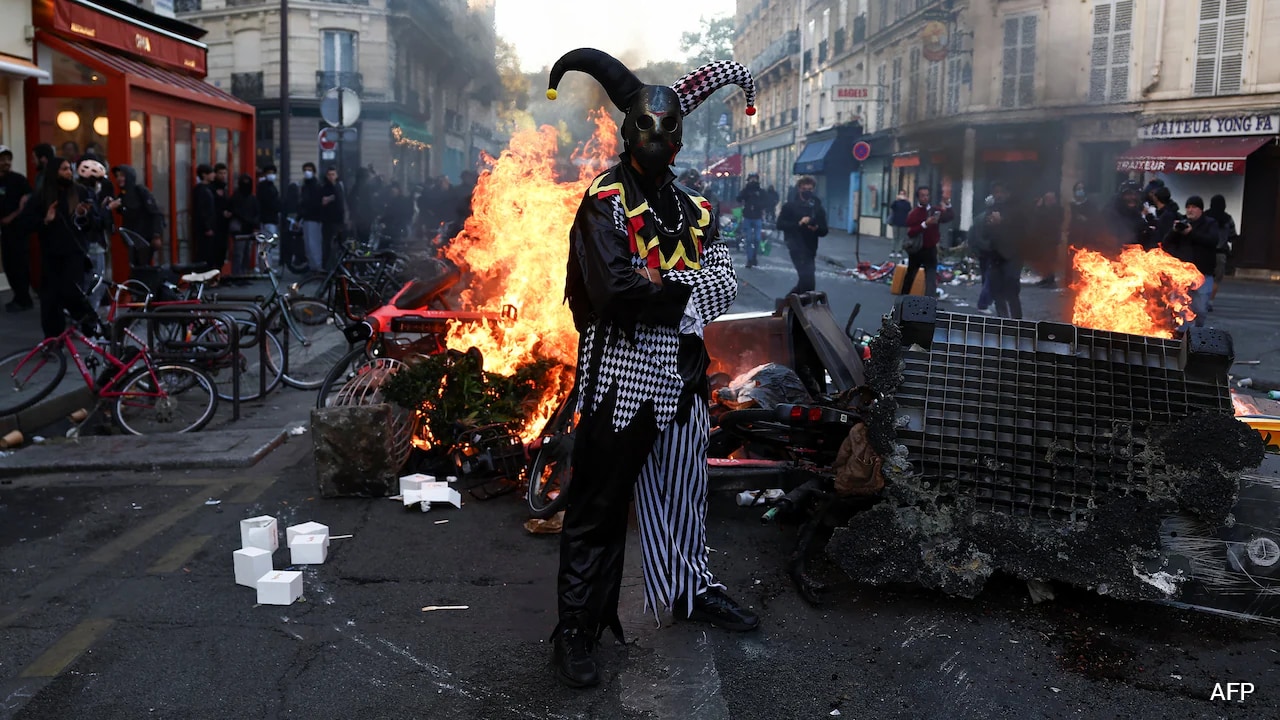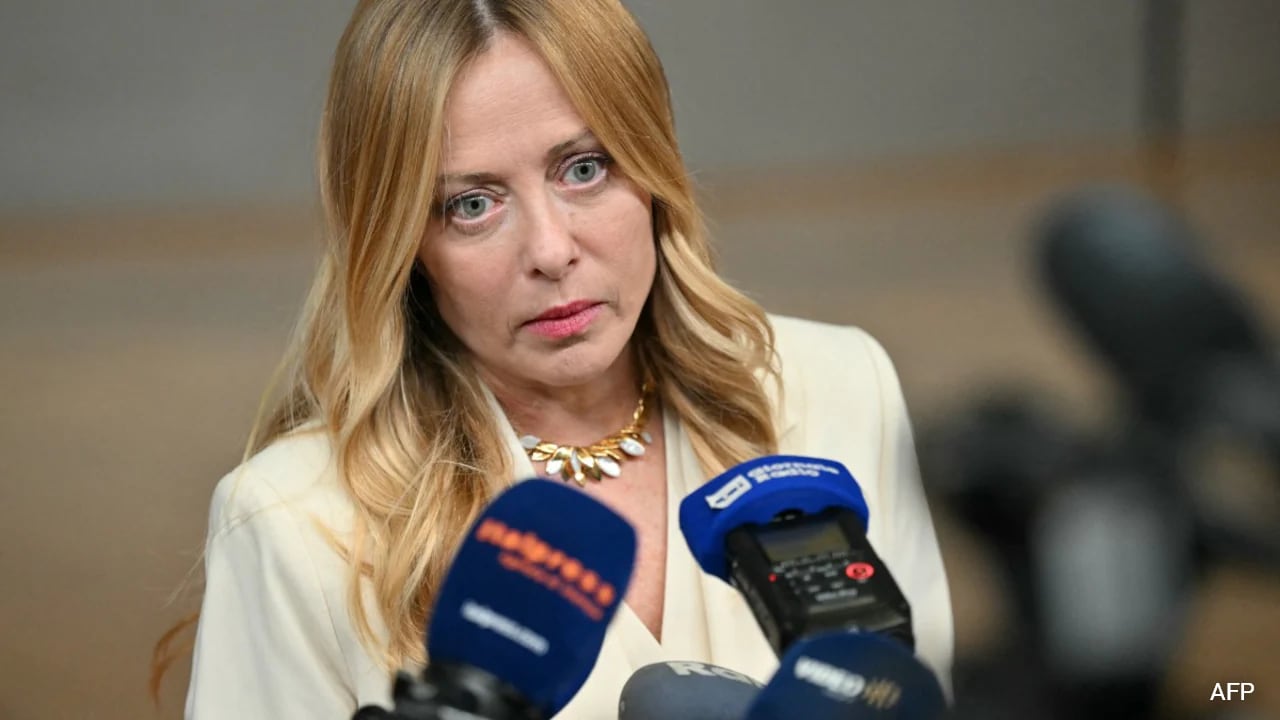
Watching shopfronts burn near the Milan Cathedral on October 17, 2026, wasn't just another bad Saturday in northern Italy. For Prime Minister Giorgia Meloni, those clashes—involving roughly 2,000 youths, over 100 injured officers, and widespread looting—crossed a line she wasn't willing to let slide. Her answer came fast. She called the youth involvement "painful and frightening" and rolled out an aggressive security decree.
If you're wondering what actually changed, the short answer is everything around street accountability. Meloni's government ordered 500 extra troops into Milan through the end of the year, created new anti-riot penalties, raised stakes for hidden faces or injuries, and made offenders—and parents of minors—financially liable for property damage. Even more striking, the rules tightened the screws on teenagers aged 14 to 17, shifting legal assumptions about capacity and expanding preventive detention options.
I've watched European governments reach for emergency decrees after street violence for years, and honestly, the pattern always feels familiar. When a city center gets trashed, politicians want visible force right away. Yet force alone rarely settles why young people show up angry in the first place.
What Sparked the Milan Riots in the First Place
A spark doesn't catch unless the wood is already dry. The October clashes in Milan didn't pop out of nowhere. They landed in the middle of a broader autumn wave of frustration across Italy, from student mobilizations and school strikes to southern truckers and farmers blocking roads over diesel and production costs.
In Milan, demonstrations tied to cost-of-living pressures and youth grievances turned ugly when smaller groups clashed with police, smashed windows, set fires, and looted stores in central shopping areas. Luxury shops closed out of fear of repeat disorder, and neighboring France was dealing with massive unrest of its own at the exact same time.
Meloni didn't pretend the underlying anger was fake. She pointed to real pressures like housing costs and living expenses, while warning of a "hybrid war" feeding on genuine grievances. Still, her core message stayed blunt: wrecking a city isn't protest, it's crime.
How Meloni's Security Decree Changes the Rules
Decree-laws move fast in Italy, taking effect immediately while facing a 60-day window for parliament to convert them into permanent law. That speed is kind of the point when a government wants to deter copycat riots the very next weekend.
Several specific shifts stand out in the crackdown:
- Troops on the ground: Five hundred additional soldiers were slated to reinforce security in Milan through year's end, backing up police patrols around sensitive areas.
- Paying for the mess: Rioters face steep penalties—escalating if they cover their faces or injure officers—and can be ordered to compensate for property damage.
- Parents on the hook: When minors trash property or loot during riots, financial liability can fall on their parents.
- Harsher treatment for teens: For youths aged 14 to 17, the decree presumes understanding of actions unless proven otherwise rather than leaving that purely to a judge's initial call, and allows police to detain dangerous 14-to-17-year-olds even without a completed crime under expanded criteria.
- Justice system capacity: The government pledged extra juvenile detention beds and more judges to handle cases.
Anyone who has followed Italian politics knows decrees are a favorite tool for rapid action. Critics, including opposition figure Giuseppe Conte, argued that short-term decrees after flare-ups create an "illusion" of a fix without addressing deeper public safety needs.
Why Cracking Down on Youth and Parents Divides Italy
Making parents pay when their teenager loots a store sounds popular at a dinner table. Who wants taxpayers eating the bill for a 16-year-old smashing a storefront?
In practice, though, blanket deterrence has sharp edges. Civic space monitors and legal critics have warned that sweeping security measures risk chilling lawful demonstrations or catching bystanders in the crossfire. Meanwhile, Italian prison numbers have already climbed by more than 17 percent—nearly 10,000 inmates—over four years of tough security legislation, raising questions about overcrowding and long-term rehabilitation.
There's also a practical reality check. Sending soldiers to guard landmarks helps keep order for a few weeks. It doesn't fix entry-level wages, rent prices in Milan, or alienated teenagers who feel they have nothing left to lose.
The Real Trap Between Order and Alienation
Here's the mistake people make when debating riots: they treat "supporting police" and "asking why youths riot" as opposites. They aren't.
A shop owner whose window gets shattered loses livelihood right now. A family whose kid gets swept into a riot faces legal and financial shock tomorrow. Both realities are true at once. If the state ignores street violence, chaos spreads. If the state only answers with handcuffs and soldiers, resentment simply simmers until the next spark.
Practical Steps If You Live, Travel, or Work in Milan
If you're planning a trip, running a business, or living in northern Italy right now, relying on vague assumptions is a bad idea. A few practical moves can save you serious headaches:
- Check local advisories before weekends: Major demonstrations and counter-rallies often cluster on Saturdays in central squares or transit hubs, so verify local police updates and public transit reroutes before heading downtown.
- Protect storefronts and inventory: If you run a retail or hospitality spot, review insurance terms for civil unrest, keep cash minimal on-site during high-tension weeks, and set up clear closing protocols early.
- Know the legal stakes for minors: Families with teenagers in the area should talk openly about crowd risks—under the tougher rules, getting caught up in unlawful disorder carries heavy financial and legal consequences for both teens and parents.
- Build buffer time into travel: Protests, road blocks, and heightened security checks can slow trains, buses, and city driving unexpectedly, especially when multiple groups mobilize on the same day.
Street clashes make dramatic television, and tough decrees make bold headlines. The real test for Meloni's government isn't how loudly it cracks down in October—it's whether Milan's streets stay calm and livable once the extra troops go home.
Watch the Financial Express coverage on the Milan riots crackdown.
This video provides additional news reporting on the troop deployment and new security measures introduced in response to the Milan riots.