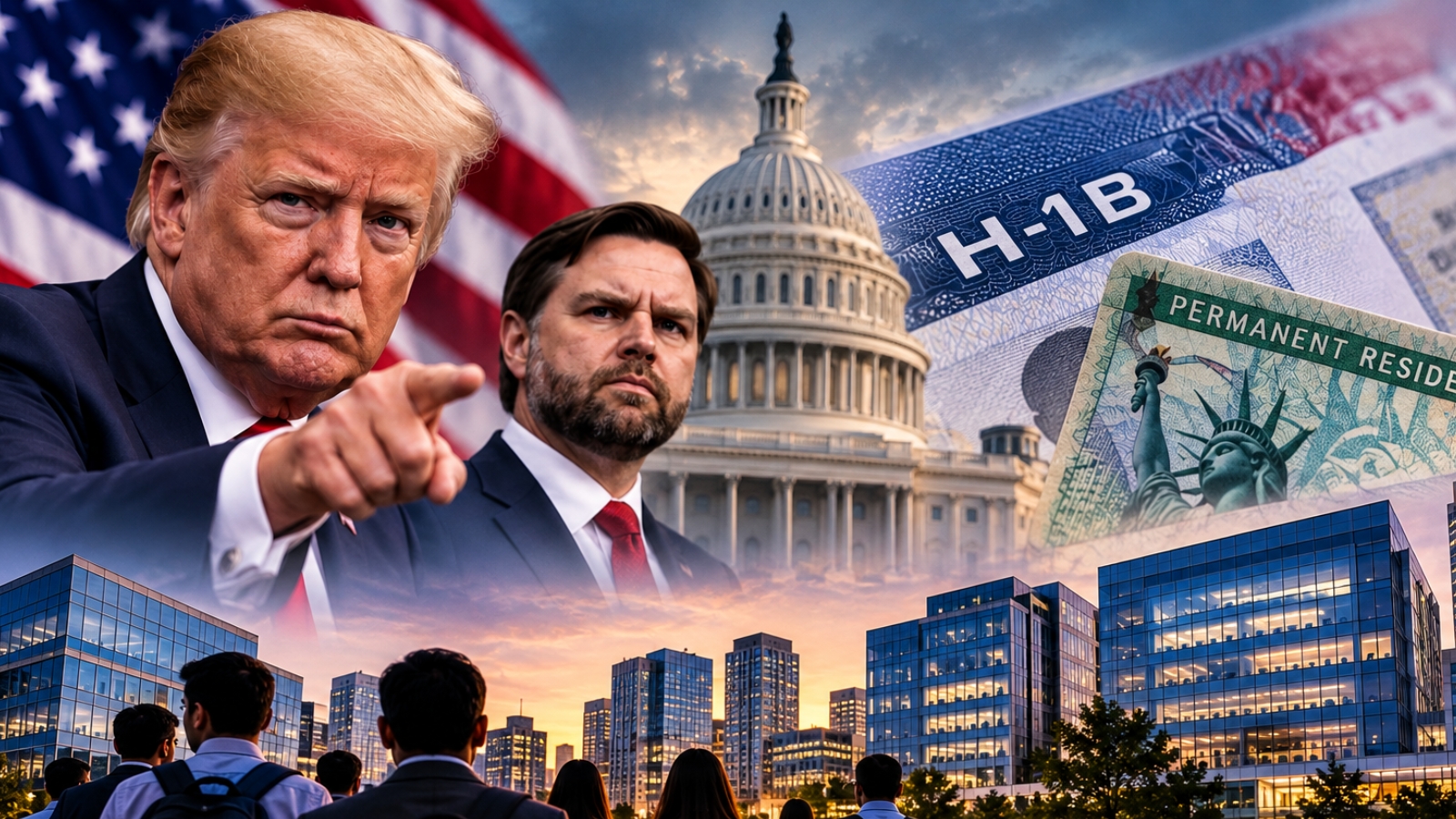
Every tech blog on the internet ran the same tired panic piece last week. The lazy consensus screamed that Microsoft had been banned from hiring foreign talent through the H-1B visa and permanent labor certification process. The headlines fed a hungry mob desperate for corporate comeuppance.
They got it entirely wrong.
Microsoft did not get barred from hiring international engineers because of systemic corruption or an outright federal ban. What actually happened was a routine administrative penalty tied to a localized paperwork dispute and a localized recruitment audit. Conflating a bureaucratic speed bump with a corporate exile is sensationalist garbage designed for clicks.
I have spent two decades watching immigration attorneys panic over every compliance audit while engineering leaders quietly rewrite their hiring pipelines behind closed doors. The tech press loves a morality play. They want David versus Goliath, where the Department of Labor plays David and a trillion-dollar cloud titan plays the villain. The boring, unsexy reality is that visa programs operate on pedantic technicalities. Miss a checkbox on a prevailing wage determination or botch a local newspaper advertisement window, and the government pauses your ability to file PERM applications for a specific office location until you clear the docket.
That is not a ban. That is a parking ticket.
Let us dismantle the core myth powering this entire news cycle. The narrative claims that immigration enforcement is finally clamping down on big tech abusing foreign labor. Look closer at the mechanics of the permanent labor certification program. To sponsor a green card for an immigrant employee, a company must prove no qualified, willing, and able United States workers are available for the job. This requires testing the local labor market through archaic channels like Sunday print newspaper ads and state workforce agency postings.
Yes, in the year 2026, multibillion-dollar artificial intelligence powerhouses are legally mandated to hunt for software architects via classified ads in local papers.
When a massive enterprise scales hiring to thousands of engineers annually, clerical errors are mathematically guaranteed. A job description gets posted with a slightly mismatched credential requirement. A recruiter misses a resume submission window by forty-eight hours. The Department of Labor flags the discrepancy, issues a temporary suspension on filing new certifications for that specific corporate entity, and demands remediation. The system works exactly as designed to catch administrative sloppiness, not to execute corporate punishment.
Pretending this is a tectonic shift in immigration policy is intellectually dishonest.
The real story here is not that Microsoft got caught in the crosshairs of federal enforcement. The real story is how completely broken and medieval the American high-skilled immigration apparatus has become. We are running twenty-first-century artificial intelligence research out of Seattle and Silicon Valley while shackled to twentieth-century paper-pushing regulations written when typewriters ruled the office.
Executives panic when these temporary suspensions hit because the talent market is vicious. If you cannot sponsor a green card for an exceptional machine learning researcher currently on an H-1B visa, they will pack their bags and move to Toronto, London, or Zurich within ninety days. Nations with functional immigration policies are salivating every time the American bureaucracy trips over its own shoelaces. Canada launched entire ad campaigns targeting stranded tech talent while US media outlets hyperventilated about a fake Microsoft ban.
Let us address the common counter-argument. Critics argue that tech giants use these visa programs to suppress domestic wages and bypass local engineering pools. I have sat in the compensation committee meetings. I have seen the P and L statements. Sponsoring a foreign national through the H-1B to green card pipeline is expensive, legally perilous, and grindingly slow. Corporations do not do it to save a buck on payroll. They do it because the domestic supply of elite computer science PhDs falls dangerously short of industrial demand.
If every major technology firm stopped hiring international graduates tomorrow, domestic innovation would flatline within five years. That is not an opinion; it is a demographic reality written into every university graduation statistic in the country.
The obsession with punishing corporations through administrative friction misses the forest for the trees. When the government restricts a company's ability to retain top-tier global talent, it does not punish the boardroom. It punishes the individual engineer who came to this country legally, studied at a top-tier institution, built cutting-edge infrastructure, and now has to live in a state of perpetual anxiety because a bureaucrat didn't like the font size on a recruitment notice.
Stop looking for villains where you should be looking for systemic incompetence.
The next time an outlet publishes a breathless exposé about a tech titan facing regulatory wrath over visa paperwork, check the primary sources. Ignore the punditry. Look at the code. The future belongs to the nations that can capture and keep the sharpest minds on earth, not the ones that trap them in a Kafkaesque cycle of newspaper classified ads and administrative timeouts.
Fix the system, or watch the talent leave.