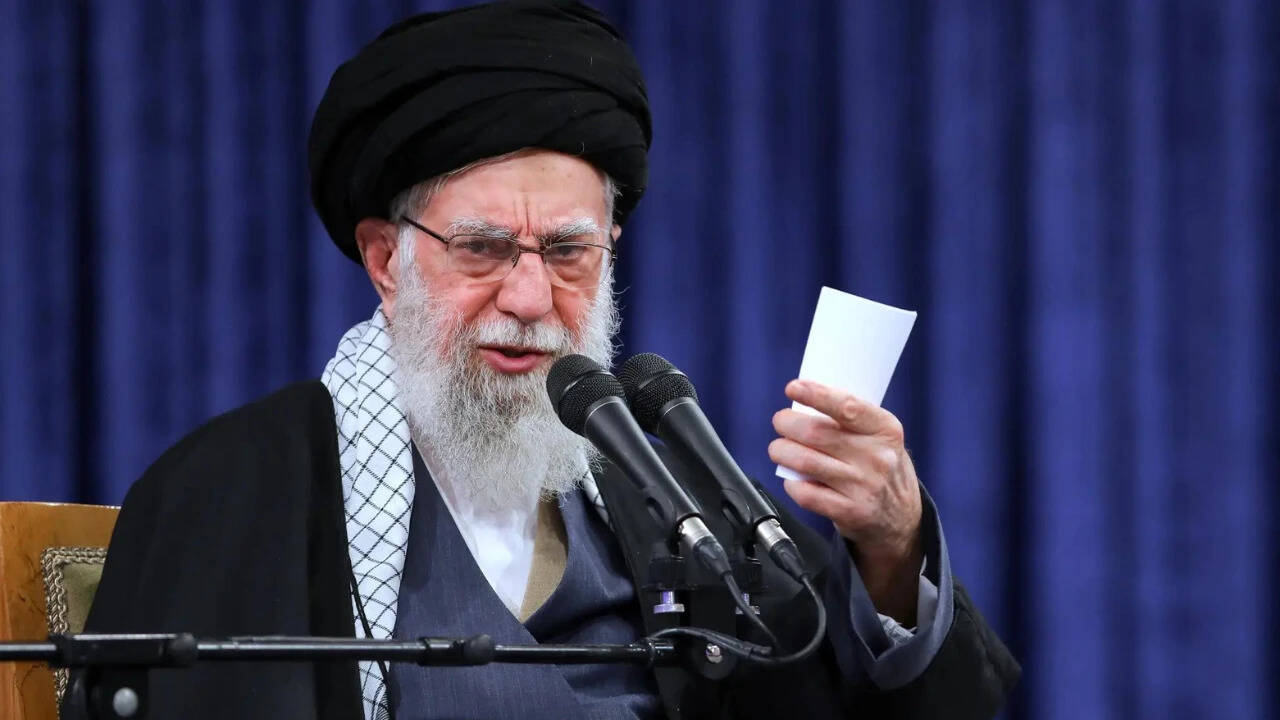
The Middle East just shifted on its axis, and nobody actually knows where it's going to land. When the news broke that a joint U.S.-Israeli strike killed Ayatollah Ali Khamenei in Tehran, the initial shock wasn't just about the death of an 86-year-old man. It was the realization that the "red line" everyone talked about for decades hasn't just been crossed—it’s been vaporized.
Iran isn't just angry. They’re cornered. Iranian Deputy Foreign Minister Saeed Khatibzadeh made it clear when he told CNN there’s "no option but to respond." This isn't the usual bluster we've heard for forty years. When you take out the Supreme Leader, you aren't just attacking a government; you're attacking the very DNA of the Islamic Republic.
The immediate fallout from Operation Epic Fury
The sheer scale of the strikes on February 28, 2026, was staggering. Under the American codename Operation Epic Fury and the Israeli Operation Lion's Roar, hundreds of targets across Iran were hit. We're talking ballistic missile sites, warships, and government hubs in the heart of Tehran.
But the decapitation of the leadership is what changes the math. Along with Khamenei, reports confirm the deaths of several heavy hitters, including IRGC commander Mohammad Pakpour and security adviser Ali Shamkhani. For a regime that relies on a single, ultimate authority figure to settle every internal dispute, this creates a vacuum that a "transitional council" can’t easily fill.
Iran strikes back at the Gulf
Tehran didn't wait to see if the dust would settle. Within hours, waves of missiles and drones were screaming toward U.S. bases and regional neighbors.
- Bahrain and the UAE: Both countries, which host U.S. military assets, were hit directly. The Fairmont The Palm in Dubai was reportedly engulfed in flames.
- Qatar and Kuwait: Intercepted drones and missiles have left these nations on high alert, with civilian casualties already being reported.
- Israel: The "Iron Dome" and other defenses have been working overtime, but hits in Jerusalem and Beit Shemesh show that even the most advanced tech has its limits.
The message from Tehran is blunt: if you let the U.S. use your soil to launch strikes, you're a target. Period.
Why this time is different for the Iranian people
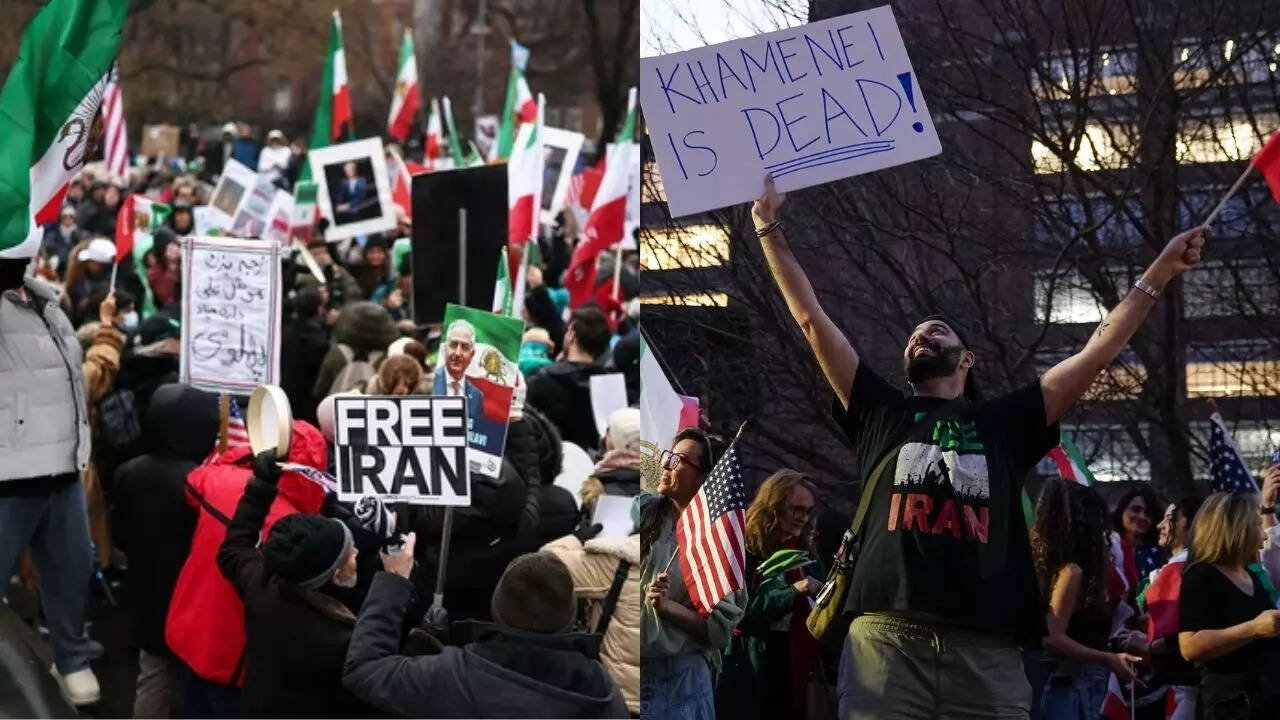
You'd expect a nation to unify after its leader is assassinated by a foreign power. That's not exactly what's happening on the ground in Mashhad or Tehran. The reaction is a jarring split-screen of grief and celebration.
While thousands gathered in Enghelab Square to weep and chant "Death to America," social media has been flooded with videos of Iranians dancing in the streets, honking horns, and even setting off fireworks. For many who lived through the brutal crackdowns of January 2026—where an estimated 36,000 protesters were killed—this isn't a national tragedy. It's a long-overdue reckoning.
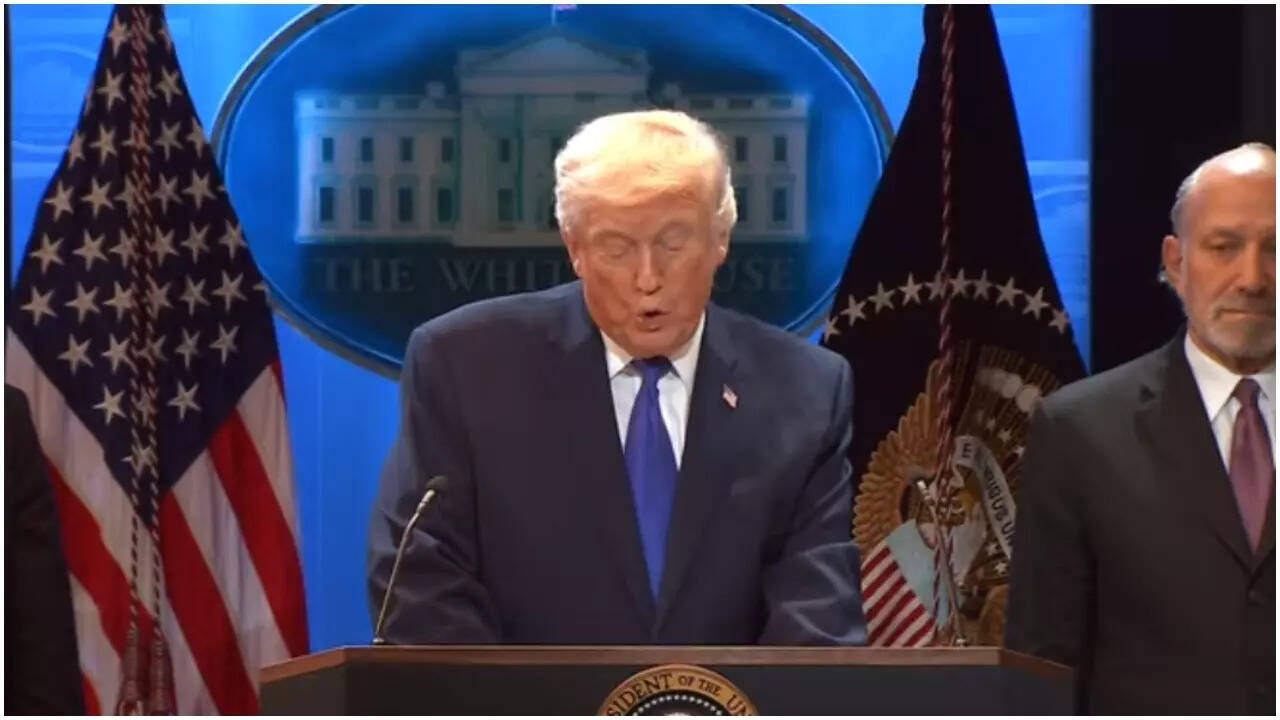
Trump is betting on this. He’s explicitly told the Iranian public to "seize control of your destiny." But that’s a massive gamble. A leaderless, jubilant crowd doesn't have the heavy weaponry of the IRGC. If the security apparatus stays loyal to the system rather than the man, those celebrations could turn into a bloodbath very quickly.
The struggle for the next Supreme Leader
Iran's constitution says a three-member council—President Masoud Pezeshkian, Judiciary Chief Gholam-Hossein Mohseni-Ejei, and cleric Alireza Arafi—will hold the reins for now. But "holding the reins" is a lot harder when the stable is on fire.
The Assembly of Experts has only had to pick a successor once since 1979. This time, they’re doing it under the shadow of a widening war and a domestic population that’s increasingly hostile. There's no clear "heir apparent." Without Khamenei's final word, the internal rivalries between the "pragmatists" and the IRGC hardliners are likely to explode.
What you need to watch next
The next 72 hours will determine if this is a localized conflict or the start of a regional conflagration that drags in every major power.
Don't look at the official statements; look at the movement of troops and the status of the Persian Gulf. If Iran decides to fully choke off the Strait of Hormuz, global energy markets will go into a tailspin that makes the 1970s look like a minor hiccup.
Keep an eye on whether the IRGC starts to fracture. If rank-and-file soldiers see the top brass being picked off and a path to a "new Iran" opening up, they might stop shooting at their own people. But if they feel they have nothing left to lose, they’ll likely double down on the regional chaos.
Check for updates on regional flight closures and embassy evacuations. If you have interests in the Gulf, it’s time to activate your contingency plans. This isn't just another headline—it’s the end of an era, and the transition is going to be anything but smooth.