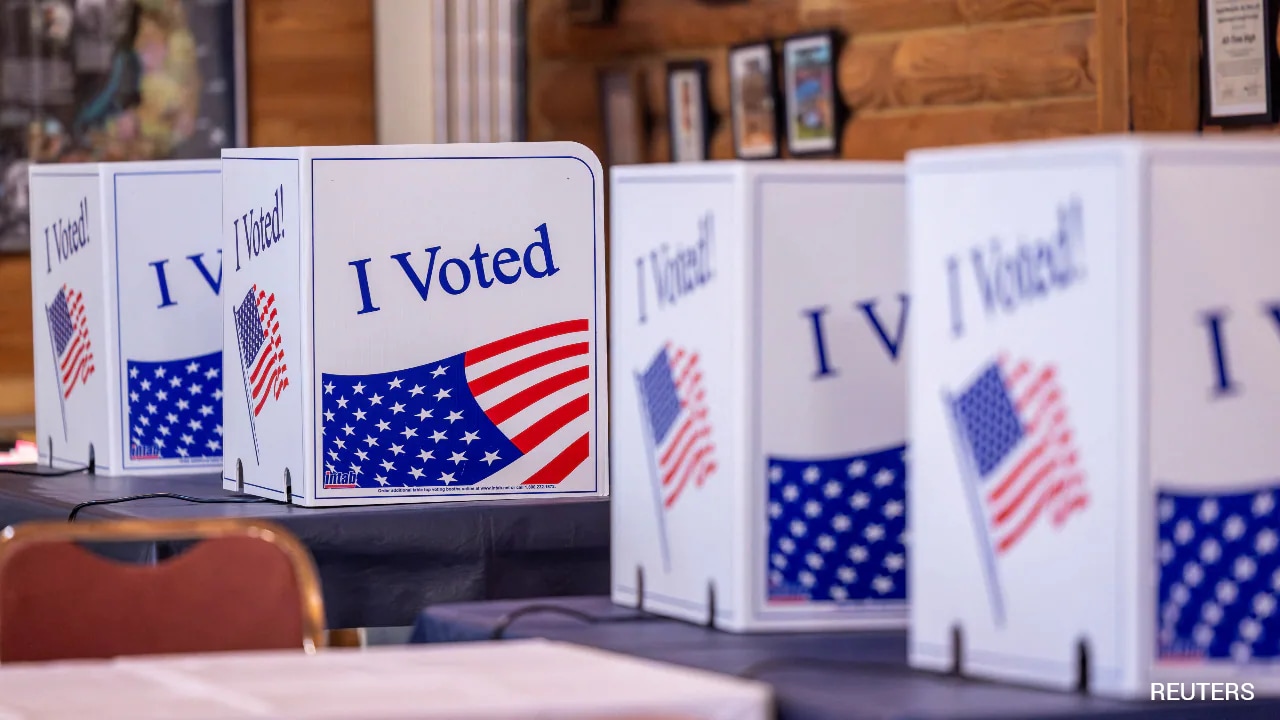
Elections bring out a lot of anxieties, but federal troops standing guard outside your local voting precinct won't be one of them. Chairman of the Joint Chiefs of Staff General Dan Caine made it explicitly clear that the armed forces are staying completely out of the picture for the upcoming November midterm elections.
If you've been tracking political commentary lately, you know why this assurance even had to be issued. Lawmakers, including Michigan Senator Elissa Slotkin, pressed senior defense leadership for written guarantees. They wanted confirmation that the military wouldn't be dragged into domestic electoral politics. General Caine's response, released via official correspondence, put those specific fears to rest by confirming that federal troops and federalized National Guard members have zero business near polling sites.
The Legal Firewall Protecting the Ballot Box
People often wonder what keeps armed forces from stepping into civilian elections. The answer lies in strict federal statutes. The United States has a long-standing tradition keeping the military out of domestic policing and civilian governance. Federal law generally blocks troops from deploying to polling locations or interfering with vote tallies.
General Caine reinforced this boundary in his letter. He explicitly stated that the Joint Force has no intention of seizing ballots, messing with voting machines, or confiscating any election-related hardware. Election security and daily logistics remain firmly in the hands of local and state authorities, right where they belong.
Where the Anxiety Came From
Tensions didn't appear out of thin air. Earlier in the year, political rhetoric heated up around how elections are monitored. When asked about utilizing National Guard members or federal immigration enforcement agents to monitor voting locations, comments from leadership suggested extreme measures to guarantee "honest elections".
That phrasing triggered immediate alarm bells among opposition legislators. Critics remembered past discussions regarding the seizure of voting equipment after previous election cycles. When you mix high-stakes political races with past talks of utilizing federal muscle, people naturally get nervous about overreach.
Trusting the Chain of Command
General Caine also addressed the internal pressures military leaders face. He wrote that he had neither received nor expected any unlawful orders regarding military involvement in the November contests. That distinction matters. It signals that military leadership views protecting the apolitical nature of the armed forces as a core duty.
When you head out to cast your ballot this November, remember that election administration remains decentralized. Your local county clerks, volunteer poll workers, and state election boards manage the process from start to finish. The military will be doing what it is supposed to do: nothing at all regarding your ballot. Check your state's official voting portal to confirm your local polling details and vote with confidence.