The standard narrative is tired, predictable, and lazy. A historic sports franchise enters a playoff run, the city erupts in collective euphoria, and right on cue, a local artist emerges from a rent-stabilized loft to complain that the corporate sporting machine is stepping on the neck of authentic culture. We are told to mourn the gentrification of expression. We are asked to weep for the solitary creator whose public mural, neighborhood vibe, or intellectual property was allegedly swallowed whole by the blue-and-orange behemoth.
It is a comforting bedtime story for cultural elitists. It is also entirely wrong.
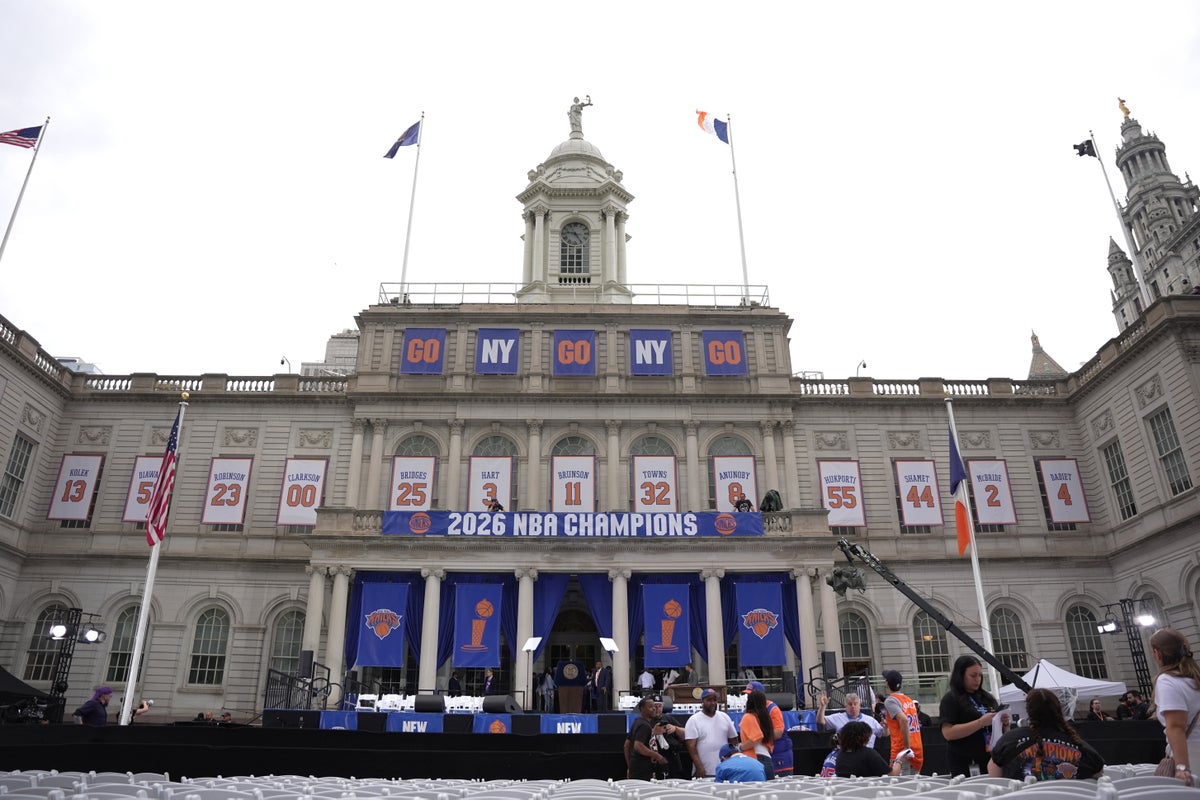
The grievance economy thrives on positioning the independent creator as a helpless victim of corporate success. When the New York Knicks win, Madison Square Garden becomes the epicenter of global attention. That attention is a tide that lifts every boat in Manhattan, yet the knee-jerk reaction of the artistic class is to resent the water.
The Myth of the Pure Creator
Let us strip away the romanticism. The idea that institutional sports and street-level art exist in opposition is a historical fabrication. For decades, the creative class has used the aesthetics of the city—including its sports culture—to build personal brands, sell canvases, and secure gallery representation.
The moment a sports team achieves cultural velocity, suddenly the rules change. The artist claims ownership over the very energy they borrowed from the pavement.
I have spent fifteen years managing creative talent and brokering deals between independent producers and massive entertainment entities. I have sat in the rooms where these disputes play out. Here is the reality no one wants to admit: ninety percent of the time, the fuming artist is not angry about broken principles. They are angry about bad positioning. They failed to anticipate the cultural moment, failed to secure their distribution, and are now using moral outrage as a marketing strategy to capture a fraction of the attention they missed out on.
Consider the mechanics of public attention. A winning streak does more for the localized economy of a neighborhood—bars, bodegas, street vendors, and yes, galleries—than a dozen state-funded art walks. To stand in opposition to that collective joy is not a radical act of rebellion. It is a profound misunderstanding of how cultural capital accumulates in a metropolis.
Sports is the Purest Public Art Left
We need to correct a fundamental misunderstanding about what constitutes art in a modern city. The gallery system is a closed loop of high-net-worth individuals trading artificial assets for tax write-offs. It is exclusive, sterile, and increasingly disconnected from the actual pulse of human emotion.
A Knicks playoff game at the Garden is the exact opposite. It is raw, participatory, and democratic theater.
- The Choreography: Twenty thousand people moving, shouting, and reacting in absolute synchronization to a live, unscripted drama.
- The Atmosphere: A sensory experience that cannot be replicated in a white-cube gallery in Chelsea.
- The Scale: A shared vocabulary that cuts across socioeconomic lines, uniting Wall Street executives and subway conductors in the same physical space.
To look at that collective explosion of human expression and dismiss it as mere "sports commercialism" is the height of intellectual laziness. The performance on the hardwood at MSG possesses more cultural relevance, more emotional truth, and more communal impact than whatever conceptual installation is currently gathering dust down the street.
The artist fuming in the corner believes they hold a monopoly on the city’s soul. They do not. The soul of the city belongs to the people who live in it, and right now, those people are wearing Jalen Brunson jerseys.
The Flawed Premise of Cultural Theft
When critics ask how large organizations should respect local creators, they are asking the wrong question entirely. The premise assumes that culture flows in only one direction: from the solitary genius down to the unwashed masses.
In reality, culture is an ecosystem of constant appropriation and reinterpretation.
Imagine a scenario where a street artist paints a unauthorized mural using the Knicks logo, sells prints for a thousand dollars a piece, and builds a massive social media following off the back of the team's trademarked identity. The sports franchise looks the other way because it builds grassroots goodwill. But the moment the franchise uses a similar visual style in an arena pump-up video, the artist calls the lawyers.
This double standard is unsustainable. You cannot claim the city's icons for your personal profit and then demand absolute isolation when the city's teams do the same. If you choose to play in the sandbox of public iconography, you must accept that the sandbox belongs to everyone.
The Playbook for Survival
Stop complaining and start capitalizing. If you are an artist in a city experiencing a sports renaissance, your job is not to lament the noise. Your job is to channel it.
- Own Your Infrastructure: If your work relies on public visibility, understand the zoning, the legalities, and the digital rights of your output before the world takes notice.
- Build Distribution, Not Just Art: The creators who survive are the ones who control how their work is replicated and sold. Outrage is a fleeting commodity; a direct-to-consumer pipeline lasts.
- Embed in the Subculture: Do not wait for the corporate front office to call you for a collaboration. Build relationships with the fan clubs, the local blogs, and the street culture that feeds the stadium.
The downside to this approach is obvious: it requires shedding the comfortable skin of the misunderstood outsider. It forces you to operate in the real world of commerce, competition, and metrics. It means admitting that your audience might actually care more about a game-seven victory than your latest series of oil paintings.
But the upside is total relevance.
The Knicks are not destroying New York culture. They are stress-testing it. If your art cannot survive the enthusiasm of a city that finally has something to cheer for, then your art was never as resilient as you thought it was. Put down the grievance, pick up the brush, and learn to paint at the speed of a fast break.