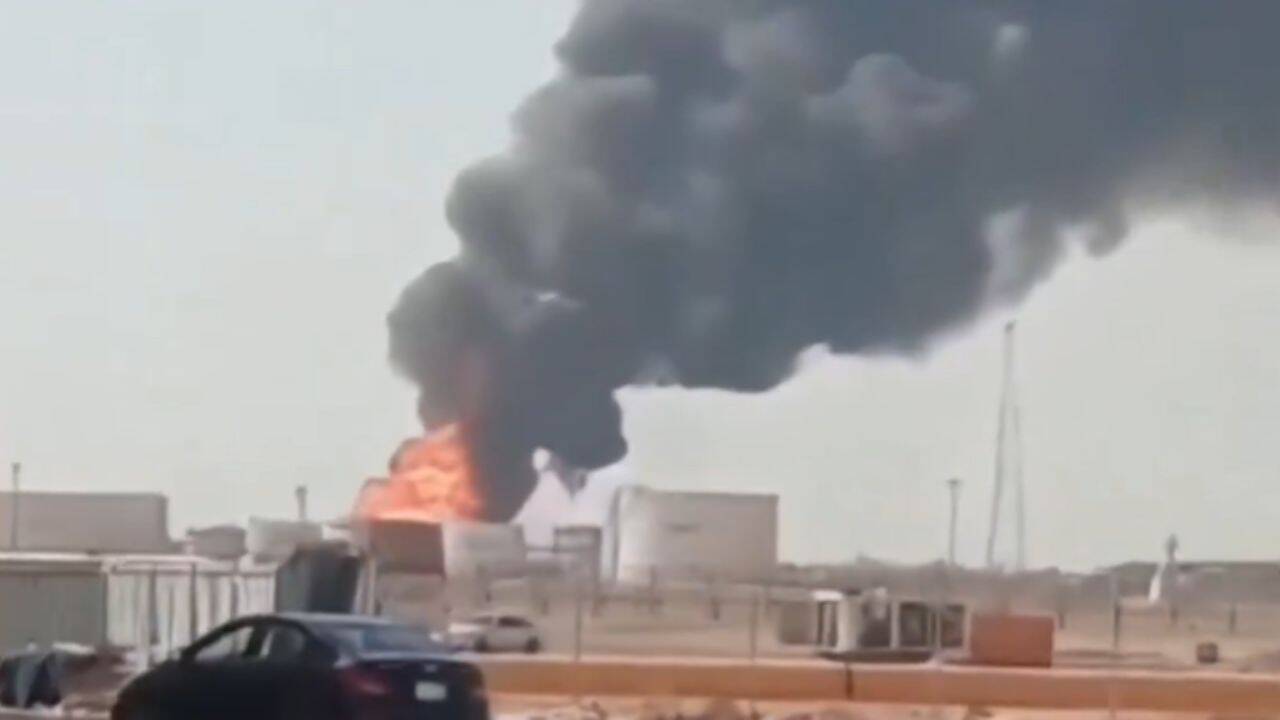
The smoke rising near the tarmac of Jazan and Najran airports was not an isolated anomaly. It was a calculated escalation. When regional proxy conflicts intersect with critical civil aviation hubs, the stakes shift immediately from tactical skirmishes to structural security vulnerabilities. For years, observers treated the southern border of Saudi Arabia as a localized containment zone. That assumption has expired.
Attacks targeting civilian infrastructure in Jazan and Najran illustrate a deliberate strategy shift by Houthi forces in Yemen. Rather than limiting operations to military installations or border outposts, the campaign directly pressures regional transportation veins. This approach aims to shatter the illusion of economic normalcy in the kingdom's southern provinces.
The Geography of Vulnerability
Jazan and Najran sit directly in the shadow of the rugged mountains of northern Yemen. This proximity creates a severe defensive geometry. Short-range ballistic missiles, cruise missiles, and loitering munitions require minimal flight time to cross the international border.
Traditional air defense architectures excel against high-altitude, long-range threats. However, low-flying unmanned aerial systems and cruise missiles hugging the terrain exploit radar horizons. Patriot batteries and similar anti-air platforms face immense physical constraints when protecting sprawling civilian perimeters against swarming, low-signature threats. Intercepting a low-cost drone with a multi-million-dollar interceptor missile is also economically unsustainable over a prolonged campaign.
The operational reality on the ground is stark. Air traffic control towers, fuel depots, and passenger terminals become high-value targets precisely because they lack the hardened fortifications of forward operating military bases. When commercial flights are grounded or diverted, the psychological impact ripples far beyond the immediate blast radius. Insurance premiums for regional carriers skyrocket. Foreign investment in southern development initiatives halts. The economic attrition matches the kinetic impact.
The Regional Chessboard
Understanding why these regional airports remain primary targets requires examining the broader diplomatic stalemate. Peace talks between Riyadh and Sanaa have oscillated between fragile ceasefires and abrupt breakdowns. Every time negotiations stall, the frequency of cross-border strikes increases.
Weapons proliferation further complicates the calculus. The technical sophistication of the munitions used against Jazan and Najran has evolved significantly since the early phases of the conflict. Guidance systems have grown more accurate. Warheads have become more specialized for structural penetration. This points to external technical assistance and supply chains that bypass naval interdiction efforts in the Red Sea and the Arabian Sea.
Local populations bear the brunt of this strategic chess game. Families living within earshot of air raid sirens have adapted to a permanent state of anxious vigilance. Children grow up recognizing the distinct acoustic signature of an incoming interception overhead. Yet, life persists. Markets open, municipal workers clean the streets after debris is cleared, and civil servants report to work. This quiet resilience stands in sharp contrast to the high-level geopolitical posturing happening in Geneva, Riyadh, and Muscat.
The Cost of Protaffed Deterrence
Deterrence is not a static condition. It requires continuous calibration. Saudi military planners have invested heavily in layered defense networks, combining electronic warfare jamming, kinetic interceptors, and airborne early warning platforms. Yet, absolute defense remains an engineering illusion.
A single successful impact on a fuel truck or a terminal building generates international headlines that outweigh dozens of successful interceptions. This asymmetry defines modern asymmetric warfare. The defender must achieve perfection every single time. The attacker needs only one lucky window.
Diplomats often speak of political solutions as if they exist in a vacuum, detached from the physical reality on the tarmac. As long as the underlying political drivers in Yemen remain unresolved, southern Saudi airspace will remain contested territory. The next escalation will not wait for diplomatic consensus. It will announce itself with a flash on the horizon and the roar of a scramjet engine crossing an invisible border.