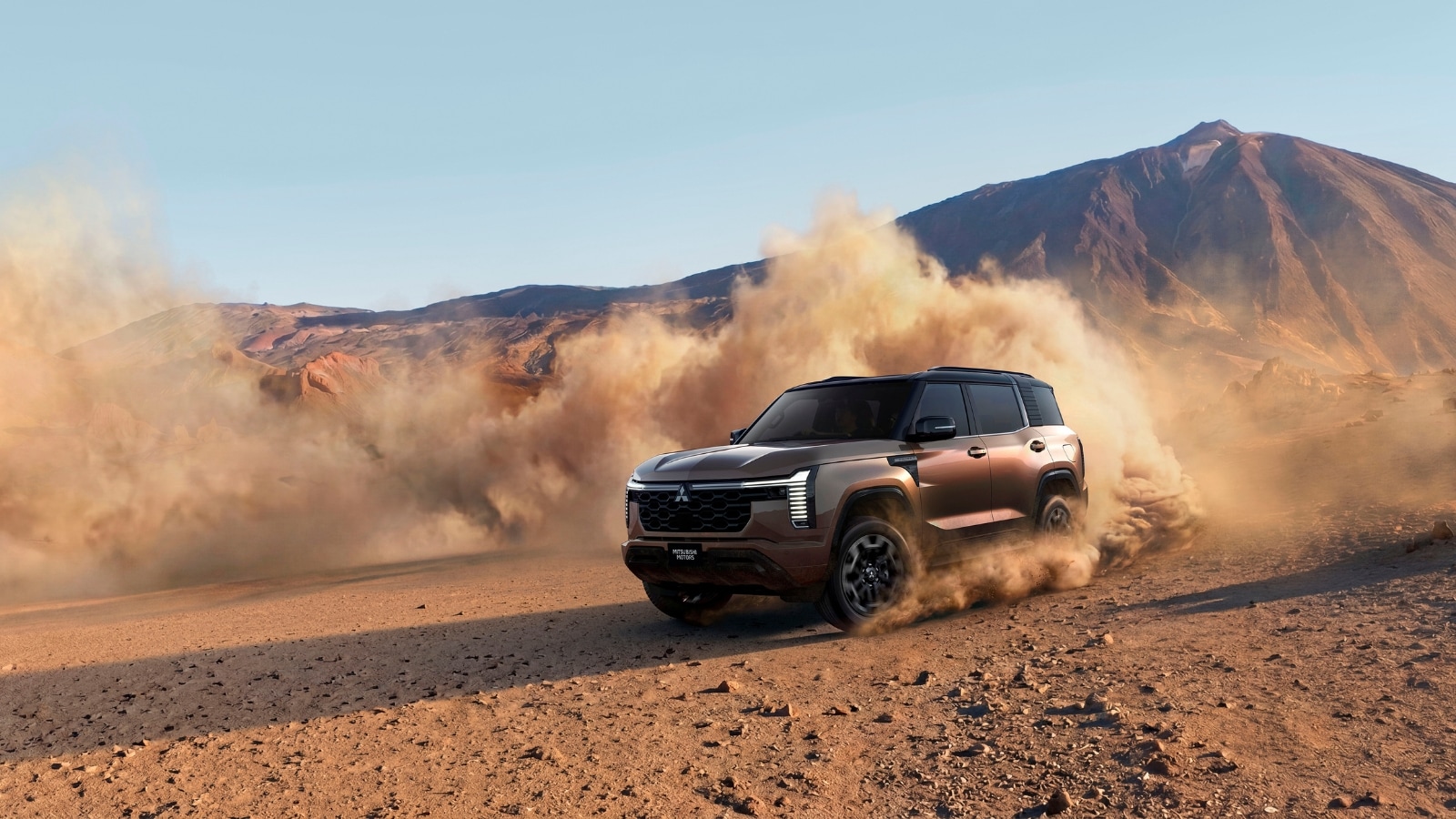
The fifth-generation Mitsubishi Pajero has finally broken cover after a multi-year drought, arriving with heavy truck hardware, seven-seat capacity, and a global distribution footprint spanning roughly one hundred markets. For an industry starved of authentic heavy-duty sport utility vehicles, the return of a legendary nameplate sounds like cause for celebration. Look closer at the engineering sheet and production logistics, however, and a different narrative emerges. This is not the independent mechanical titan that once dominated the Dakar Rally. Instead, it is a calculated corporate compromise built on a shared commercial pickup architecture, shifted offshore, and designed to survive modern regulatory pressure rather than conquer uncharted dirt.
Anatomy of a Platform Shift
For decades, the Pajero relied on either an advanced independent unibody structure or dedicated, heavy-gauge architecture built explicitly for punishing multi-terrain abuse. The new iteration discards that lineage entirely in favor of a heavily modified ladder-frame chassis borrowed directly from the latest Triton utility vehicle. For a different perspective, see: this related article.
Chassis sharing makes financial sense for a manufacturer operating within a strict alliance. It spreads development costs across commercial and consumer segments, keeping inventory overhead manageable. Yet, turning a pickup platform into a flagship family transport introduces compromises in ride dynamics and weight distribution. Engineers have added a five-link rigid rear axle and stiffened high-tensile steel cross-sections, but the fundamental DNA remains rooted in utility hauling.
Production has also moved away from its historical home in Japan to a manufacturing hub in Thailand. This relocation alters the supply chain and manufacturing tolerances that long defined the brand's reputation for indestructible build quality. Buyers expecting the boutique assembly standards of past decades will encounter a vehicle engineered for maximum global output rather than artisanal ruggedness. Related insight on this trend has been provided by The Motley Fool.
The Diesel Dilemma and Regional Realities
Beneath the squared-off, aggressive sheet metal sits a 2.4-liter clean diesel engine mated to an eight-speed automatic transmission. Pumping out 480 Nm of torque, the powertrain responds adequately to low-speed crawling and highway cruising alike.
Yet, relying heavily on diesel in a shifting global regulatory climate creates a distinct commercial ceiling. Markets across Europe and North America have systematically penalized compression-ignition engines, while hybrid variants remain secondary offerings rather than primary volume drivers at launch.
This strategic reality explains why Mitsubishi has hesitated to confirm a North American release. Bringing a Thailand-built, diesel-centric heavy SUV into a market dominated by domestic trucks and electrified crossovers presents an uphill financial battle. Instead, the company is targeting Australia, Southeast Asia, the Middle East, and Latin America—regions where diesel infrastructure remains stable and body-on-frame competitors like the Toyota Land Cruiser and Ford Everest command fierce loyalty.
Nostalgia Packaged for the Digital Era
Inside the cabin, the psychological push-and-pull between past glory and modern tech reaches its peak. A dual 14.3-inch display setup dominates the dashboard, running modern driver assistance suites and offering a virtual under-floor camera view via a 3D surround monitor.
To appease longtime loyalists, designers integrated a digital interpretation of the classic triple-meter gauge cluster, displaying pitch, roll, altitude, and compass headings. It is a functional touch, but it highlights a broader industry trend where authentic mechanical feedback is replaced by digital telemetry rendered on high-definition screens.
Acoustic glass and active noise cancellation suppress road roar effectively, turning what used to be a utilitarian cabin into a quiet cruiser. Yamaha-sourced audio systems replace the mechanical hum of the drivetrain with crisp acoustics. The vehicle is more comfortable on a daily commute than any predecessor in history, but it trades raw mechanical connection for electronic isolation.
The Sub-Brand Gamble
Perhaps the most revealing aspect of this rollout is Mitsubishi's plan to stretch the nameplate across multiple vehicle classes. Rather than keeping the badge exclusive to its traditional flagship status, the company intends to spawn a family of models bearing the identifier, ranging from compact footprint urban crossovers to smaller offerings.
Diluting a legendary moniker across smaller, unibody city runabouts risks confusing consumers who view the name as shorthand for uncompromising cross-country capability. When a badge represents everything from a heavy-duty expedition truck to a light-duty urban grocery getter, it ceases to stand for anything specific at all.
The fifth-generation vehicle is a competent, well-executed machine that will satisfy fleet buyers and traditionalists needing a heavy-duty tow rig. Whether it can recapture the cultural dominance of its ancestors while sharing a parts bin with a commercial work truck remains the unanswered question.
New Mitsubishi PAJERO Cross-country SUV World Premiere
This video provides an official look at the exterior styling and interior layout of the newly revealed cross-country model.
http://googleusercontent.com/youtube_content/1