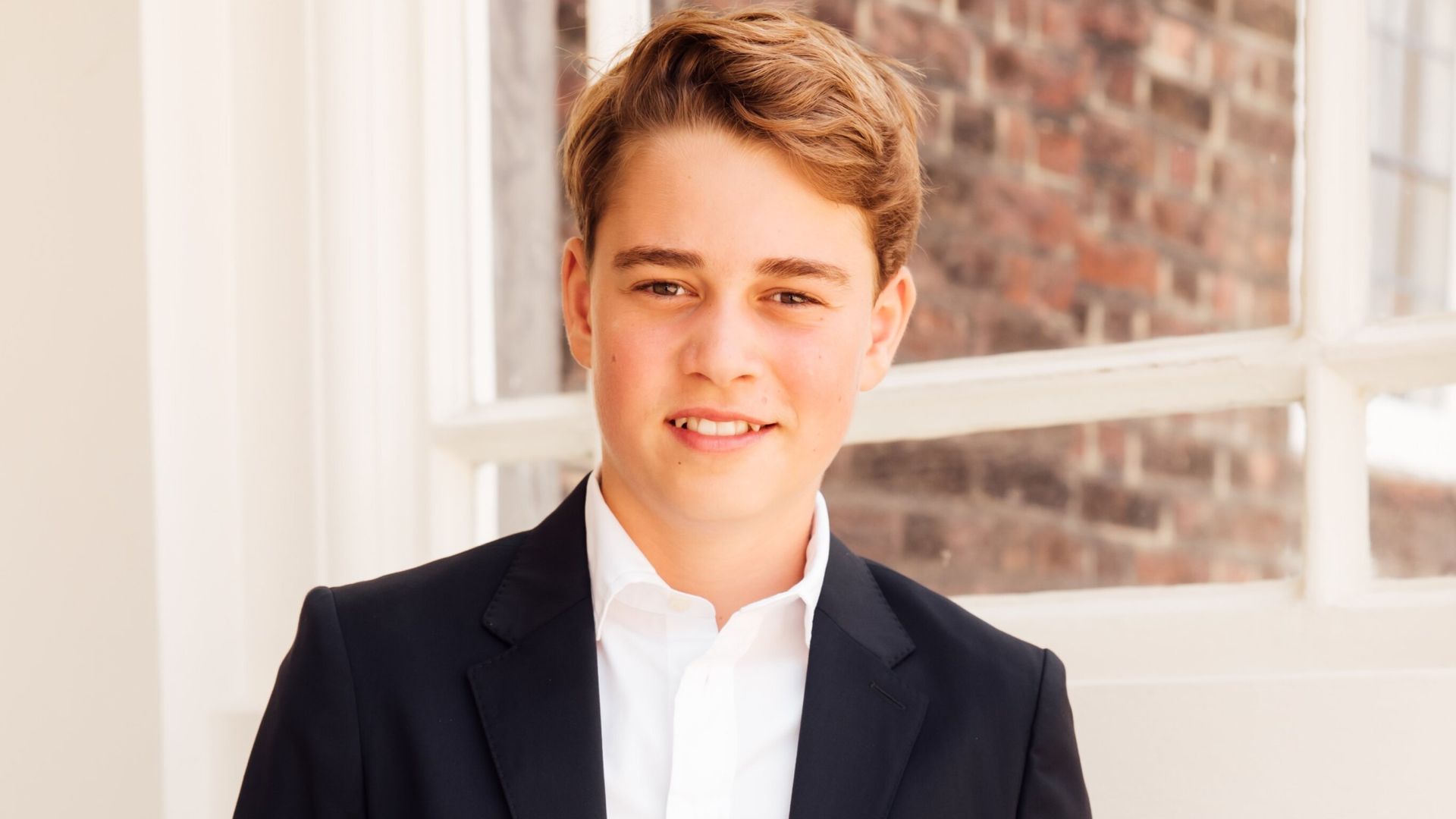
The institutional longevity of the British monarchy relies on a tightly managed pipeline of public perception, where biographical milestones function as strategic touchpoints for brand reinforcement. The formal transition of Prince George into his teenage years represents a critical operational shift in the House of Windsor’s public relations strategy. Rather than viewing portrait releases as routine media events, an analytical evaluation reveals a calculated exercise in visual governance, modern iconography, and institutional risk management.
The Tripartite Framework of Royal Visual Communications
The public management of royal heirs operates under three core structural directives designed to balance accessibility with authority. For a deeper dive into this area, we suggest: this related article.
- Controlled Visibility: Minimizing unscripted public exposure to prevent narrative drift while releasing highly stylized imagery at predictable intervals to satisfy global media demand.
- Normalized Relatability: Framing the heir within recognizable suburban or domestic contexts to soften the inherently hierarchical nature of constitutional monarchy.
- Continuity Anchoring: Embedding historical cues within contemporary photography to signal stability and institutional permanence to Commonwealth and international observers.
When evaluating contemporary royal portraits, the visual composition is engineered to execute these three directives simultaneously. By releasing a single, carefully curated photograph on key birthdays, the royal household achieves maximum media distribution while maintaining absolute control over the visual narrative.
Strategic Objectives of the Adolescent Transition
The transition from early childhood to adolescence presents a known volatility window for institutional public relations. During this phase, public interest shifts from casual curiosity to scrutinizing potential future leadership capacity. The media management strategy must consequently adapt to address three specific risk vectors. For additional background on this development, detailed reporting is available on The New York Times.
Mitigation of Media Intrusion Risks
The primary operational risk during the heir's teenage years is the threat of unsanctioned paparazzi intrusion. The royal communications team mitigates this by establishing an explicit transaction with mainstream press outlets: in exchange for respecting the minor's privacy during daily routines and educational activities, the palace provides high-resolution, broadcast-ready media assets at predetermined calendar milestones. This dynamic transforms press access from an adversarial contest into a structured supply chain.
Shift in Visual Authority
Childhood portraits rely heavily on informal, candid framing—often captured in natural environments with relaxed attire—to build public empathy. As the heir approaches young adulthood, the visual grammar shifts toward structured portraiture. The introduction of muted color palettes, formal tailoring, and composed posture signals an incremental alignment with constitutional duty. This visual evolution conditions the public to associate the individual with the office they will eventually inherit.
Management of Digital and Social Media Platforms
The modern media ecosystem requires royal communications to function simultaneously for traditional print press and algorithmic social feeds. A singular, high-quality portrait serves as a versatile digital asset capable of driving engagement across multiple distribution channels without requiring additional public appearances. This maximizes media reach while preserving operational security and personal privacy.
The Protocol Engine of Royal Photography
The production of official royal portraiture is governed by established operational steps designed to ensure message alignment across global distribution networks.
- Selection of Imagery Dynamics: The choice between hiring an established editorial photographer or utilizing internal family photography reflects specific strategy decisions. Professional commissions signal formal state continuity, whereas internally captured imagery emphasizes familial authenticity and cost consciousness.
- Metadata and Asset Control: Images are released alongside precise embargo protocols, approved captions, and strict usage guidelines. This controls the immediate context in which the media is consumed and prevents speculative framing by syndication partners.
- Global Distribution Sequencing: Release timing is synchronized across major news agencies, digital platforms, and domestic outlets to ensure simultaneous international coverage, neutralizing competing domestic news cycles.
Strategic Action and Institutional Forecast
The visual management of Prince George establishes the template for the monarchy's adaptation to mid-21st-century media dynamics. To maintain institutional authority through the next decade of digital evolution, the royal household must execute a precise communications strategy.
The monarchy must continue to leverage controlled, high-density media releases to satisfy public interest while strictly limiting real-time access. As the heir enters adulthood, visual messaging must increasingly reflect official state duties, seamlessly replacing domestic relatability with civic authority. By maintaining rigorous control over imagery production, distribution timing, and visual composition, the institution secures narrative stability across generations.