Every time the clouds darken over the Rivière des Prairies, people in Pierrefonds hold their breath. They watch the water levels rise. They check their sump pumps. They pace their basements, waiting for the inevitable. For nearly a decade, residents in this suburban stretch of Montreal have lived in a state of constant environmental anxiety. They’ve watched their basements fill with raw sewage, their backyards transform into lakes, and their hard-earned possessions end up piled on the curb in soggy, moldering heaps.
The sentiment on the ground is simple and devastating. People can't keep losing everything. If you enjoyed this article, you should look at: this related article.
This isn't just about a bad storm or a particularly wet spring. It's about a systemic failure of municipal infrastructure, sluggish political response, and a refusal to adapt to a changing climate. Pierrefonds-Roxboro has become the poster child for urban flooding in Quebec, yet the solutions offered by city hall always seem to arrive too late, cost too much, and deliver too little. It’s time to stop treating these events as historic anomalies and start treating them as the new normal.
The Haunting Legacy of Water on Gouin Boulevard
To understand why residents are furious, you have to look at the timeline. This isn't a one-off disaster. For another perspective on this story, see the recent coverage from TIME.
In 2017, a massive spring runoff triggered unprecedented flooding across the borough. Hundreds of homes were damaged, streets became navigable only by canoe, and the local government scrambled to react. It was labeled a once-in-a-century event.
Then came 2019. Just two years later, the water returned with equal force. Once again, Lalande Boulevard and surrounding areas became a disaster zone. The "once-in-a-century" label suddenly felt like a cruel joke.
Fast forward to August 2024, when the remnants of Tropical Storm Debby dumped record-breaking rainfall across Montreal. This time, it wasn't just the river overflowing its banks. The city’s sewer system simply gave up. Heavy rain overwhelmed the underground pipes, forcing sewage backward into thousands of homes that had never flooded before.
The emotional toll is staggering. Imagine rebuilding your life, dry-walling your basement, replacing your furnace, and buying new furniture, only to watch it get ruined again. Insurance companies are walking away. Some homeowners can no longer get flood coverage at any price. They are stuck in houses they can't sell, living in fear of the next heavy rainfall.
Why the Current Defense Strategy is Failing
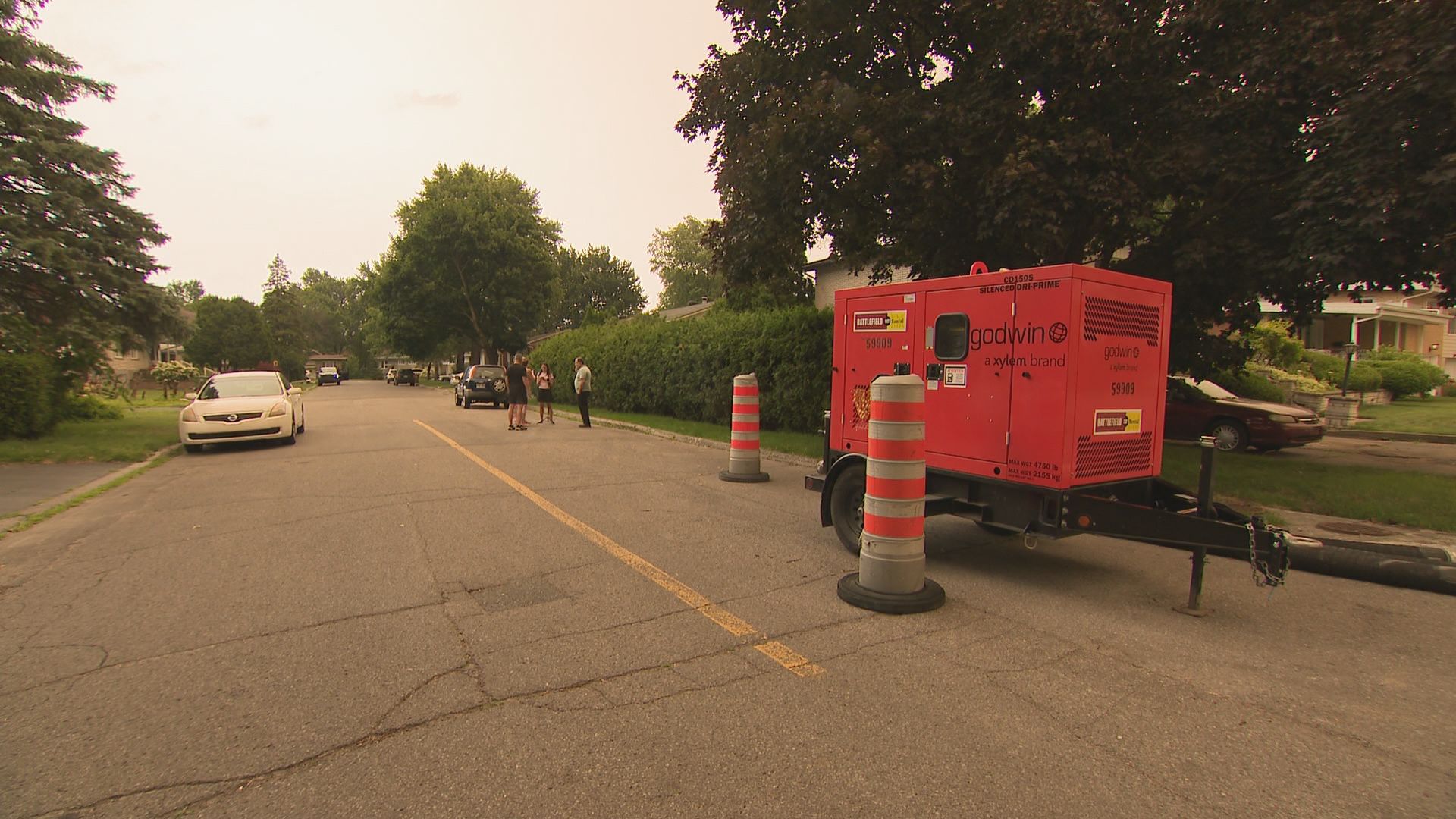
The city’s response has largely relied on temporary measures. When a flood warning goes out, municipal crews rush to deploy inflatable bladder dams, lay thousands of sandbags, and set up temporary pumps.
This is band-aid engineering. It relies on perfect timing, massive mobilization, and luck. If a dike leaks or a pump fails in the middle of the night, entire blocks go under.
The Sewer Nightmare
When people think of flooding in Pierrefonds, they picture the Rivière des Prairies spilling over Gouin Boulevard. But the hidden culprit is beneath the asphalt. The drainage network in many parts of the West Island is outdated.
In many older sectors, stormwater and sanitary sewage are managed in ways that cannot handle modern, intense downpours. When a massive volume of rain falls in a short period, the system fills to capacity. The water has nowhere to go but up through floor drains, toilets, and sinks. You don't even need to live near the riverbank to have your home ruined. You just need to be connected to the municipal sewer line.
The Bureaucratic Blame Game
Who is responsible? If you ask local Pierrefonds-Roxboro Mayor Jim Beis, he’ll point to the central city administration in Montreal and the provincial government. If you ask Montreal Mayor Valérie Plante’s administration, they will talk about the sheer scale of climate change and the need for provincial funding. Meanwhile, Quebec’s environment ministry debates zoning laws and flood maps.
This finger-pointing leaves residents stranded in a bureaucratic wasteland. While politicians debate jurisdiction and funding formulas, the water keeps rising.
Permanent Infrastructure Is the Only Way Out
We must move past temporary sandbags. Pierrefonds needs permanent, engineered protection.
Concrete Dikes and Permanent Pumping Stations
Other flood-prone cities around the world don't rely on volunteers filling sandbags when the water rises. They build permanent floodwalls and massive, automated pumping stations.
Parts of Pierrefonds have received some permanent dikes, but the coverage is patchy. Gaps in the defense line mean that water simply finds the path of least resistance, bypassing barriers to flood homes from behind. A continuous, integrated defensive wall is required along the most vulnerable stretches of the riverbank.
Separating the Sewers
The city must invest in separating stormwater systems from sanitary sewer lines. Combining them is a relic of 20th-century urban planning that has no place in a climate-stressed world. By keeping rainwater separate from household waste, we reduce the risk of catastrophic backups.
This is incredibly expensive and highly disruptive. It means tearing up streets and replacing miles of underground pipe. But the alternative—paying out millions in disaster relief, watching property values collapse, and leaving citizens to suffer—is far more costly in the long run.
Protecting Your Own Home When the City Fails
You cannot wait for the city to fix their infrastructure before you protect your property. If you live in Pierrefonds, you have to take matters into your own hands.
Install a Heavy-Duty Backwater Valve
This is your first and most important line of defense against sewer backups. A backwater valve allows sewage to flow out of your home but automatically seals shut if water tries to flow backward from the municipal main line.
Make sure it is professionally installed and, crucially, maintained. These valves can get clogged with debris over time. If they don't seal completely, they won't save your basement.
Dual Sump Pump Systems with Battery Backups
A single sump pump is a single point of failure. If the power goes out during a major storm—which happens frequently in Quebec—your pump stops working right when you need it most.
Invest in a dual-pump system. The second pump should run on a heavy-duty marine battery backup. For ultimate peace of mind, look into water-powered backup pumps, which run on your home’s municipal water pressure and don't require electricity or batteries at all.
Redesign Your Basement
If your home has flooded once, stop putting drywall and carpet back in. Switch to moisture-resistant materials.
- Use ceramic tile or high-quality vinyl plank flooring instead of carpet or laminate.
- Install closed-cell spray foam insulation instead of fiberglass batts.
- Keep utilities like your furnace, water heater, and electrical panel raised off the ground on concrete pads.
- Store anything valuable or sentimental in watertight plastic bins on high shelving, never on the floor.
The Hard Truth About Red Zones and Relocation
We also have to talk about the uncomfortable reality. Some homes in Pierrefonds should probably not be rebuilt.
The Quebec government has established strict flood zones, often referred to as "red zones." In these areas, the risk of flooding is so high that rebuilding after a disaster is heavily restricted or outright banned.
The province offers buyout programs to help residents relocate. But these programs are notorious for low valuations and agonizingly slow payouts. Many homeowners feel trapped. They can’t sell their homes on the open market because of the flood risk, and the government payout isn’t enough to buy a comparable home elsewhere in the Montreal area.
Improving the buyout process is essential. If we want people to move out of harm's way, the compensation must reflect the actual cost of relocating in today's brutal real estate market.
How to Demand Change
Politicians respond to pressure. If you are a resident of Pierrefonds, you cannot let this issue fade from the headlines until the next big flood.
Attend your local borough council meetings. Write to your provincial Member of National Assembly (MNA). Join local citizen action groups like the association of flooded residents. Demand to see concrete timelines for sewer upgrades and permanent dike installations.
The technology to protect Pierrefonds exists. The engineering solutions are well-understood. What is missing is the political will to fund these massive projects and cut through the red tape. Until that changes, residents will keep watching the weather forecast with dread, wondering if the next storm will be the one that takes everything they have left.