Power operates in quiet rooms. It hums behind tinted glass, vibrates through the leather seats of private aircraft, and sometimes, it starts over a frustrated phone call about a luxury jet.
We tend to think of international trade as a grand chess game played by economists with slide rules and diplomats whispering behind mahogany podiums. We imagine algorithms calculating gross domestic product percentages, supply chain metrics ticking upward on Bloomberg terminals, and senators debating the nuances of cross-border commerce with solemn dignity. You might also find this similar story insightful: Inside the Shadow Logistics Network Keeping Iran and Russia Airborne.
Sometimes, though, the machinery of global diplomacy responds to something much smaller. A personal snub. A denied favor. A billionaire friend who simply wanted to buy a Gulfstream and hit a bureaucratic wall.
Consider what happens next. As highlighted in recent reports by Reuters, the implications are notable.
Planes cost millions of dollars, yet they are remarkably fragile things when caught in the crosswinds of ego. Imagine a private hangar in a sun-drenched corner of Florida or a quiet airfield near Montreal. A prominent executive, accustomed to doors opening with a mere snap of the fingers, hits a wall of red tape. A transaction stalls. A jet sits grounded on paper, locked away by foreign regulations or trade friction. Phone calls are made. Voices drop an octave.
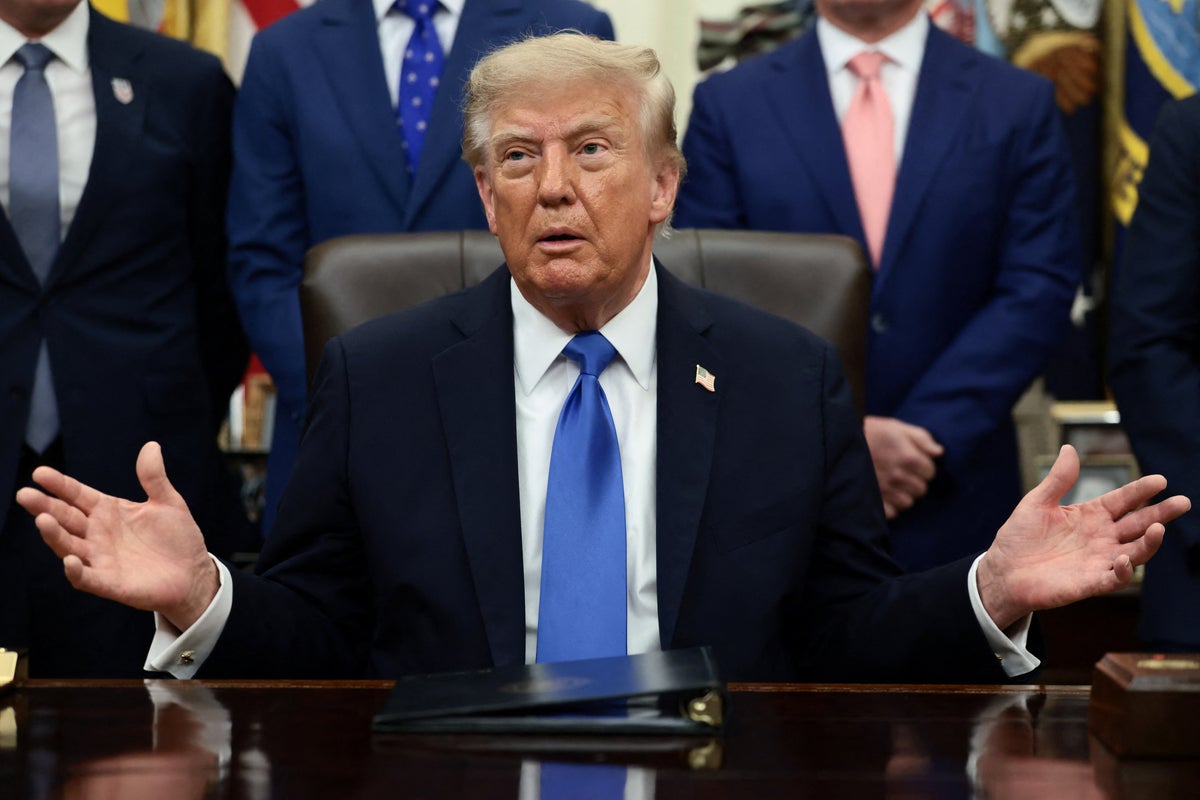
When Donald Trump publicly recounted the story behind slapping a major tariff on Canada, he did not speak in the dry dialect of the World Trade Organization. He spoke of a friend. A wealthy acquaintance who wanted a Gulfstream jet. According to the account, the deal faced stubborn resistance from Canadian authorities, frustrating the buyer to no end.
The remedy, in the machinery of statecraft, was swift and heavy. If a friend cannot buy his luxury transport, an entire nation's export economy absorbs the shockwave.
Tariffs are rarely abstract numbers on a ledger. They are blunt instruments wrapped in nationalism and swung with maximum force. To the worker on an assembly line in Ontario or the lumber mill operator in British Columbia, the sudden arrival of punitive duties feels like an earthquake originating from a fault line they cannot see. They wake up to headlines about steel, aluminum, and trade wars, entirely unaware that the tectonic shift beneath their livelihoods began with a conversation about a luxury flying machine.
This is the hidden theater of modern politics. We watch the spectacle on our screens, amused or horrified by the casual transparency of transactional governance. Yet beneath the theater lies a stark economic reality. Trade policy has become deeply personalized. Leaders no longer look at treaties as sacred architecture meant to endure across decades; they treat them as adjustable levers in a personal grievance tracker.
To understand why this matters, step away from the podium and look at the logistics.
A Gulfstream is not just an airplane. It is a symbol of ultra high net worth mobility, a flying boardroom carved from carbon fiber and leather. When a transaction involving such a machine hits a political snag, the friction exposes the fragility of international agreements. If a personal favor can alter the flow of billions of dollars in cross-border goods, what protects the small business owner who has no direct line to the Oval Office?
Nothing. That is the answer that lingers in the cold morning air of any trade dispute.
Economists spent days parsing the statements, running regression models to see how much damage a sudden tariff would inflict on the automotive sector, energy grids, and manufacturing supply chains. They drew charts with sharp downward curves. They wrote white papers filled with cautionary warnings about inflation, retaliatory measures, and broken trust between historic allies.
None of those charts captured the visceral absurdity of the origin story.
Power often disguises itself as rational policy. Governments commission studies, hold hearings, and draft hundreds of pages of legal text to justify a tariff, clothing raw impulse in the respectable robes of national security or economic protectionism. But the mask slipped. The admission laid bare a system where the weight of a nation can be tipped by personal proximity to the throne.
We live in an era where the boundary between public office and private grievance has dissolved completely. The private text message, the casual golf course chat, the late-night phone call from a billionaire buddy—these are the invisible draftsmen of our economic reality.
Walk through a customs checkpoint on the border between the United States and Canada. Watch the trucks idling in the freezing dawn, filled with auto parts, fresh produce, and timber. The drivers do not know about the Gulfstream. They only know that crossing is taking longer, that paperwork is thicker, that the cost of doing business just climbed because someone, somewhere, could not close a deal on a toy for a rich friend.
The jet eventually flew, or it did not. The billionaires moved on to their next acquisition, their next merger, their next horizon. But the tariff remained, a monument carved out of bruised pride, lingering long after the private phone call had ended, echoing across the border like an unanswered knock on a heavy oak door.

