Waking up feeling like you went ten rounds with a heavyweight boxer is a normal Tuesday if you push your body hard enough. I test fitness recovery tools, run until my joints protest, and lift heavy weights poorly on purpose just to see what survives the aftermath. Over the years, my bathroom cabinet has turned into a graveyard of tubes, roll-ons, and sticky jars promising instant physical salvation. Most of them do nothing. They smell like a wintergreen factory exploded, offer a temporary distraction, and leave a greasy film on your favorite bedsheets.
If you want actual relief, you have to understand how these topicals function underneath the marketing hype. Not all sore spots are created equal, and slathering a random tube onto a pulled hamstring will just waste your money. Let's break down what actually works based on brutal trial and error, real science, and zero corporate fluff.
The Counterirritant Illusion
Most popular rubs rely on counterirritants like menthol and camphor. When you rub Biofreeze or Tiger Balm onto your skin, those ingredients trigger cold or hot receptors, creating a sensory distraction. Your nervous system gets overwhelmed by the burning or freezing sensation, which temporarily blocks it from registering the dull ache deep inside your muscle tissue.
Does this mean they are useless? Not at all. Menthol-based gels like Biofreeze are absolute lifesavers for acute post-workout stiffness because they act fast and cool down fried nerve endings. Tiger Balm Ultra Strength leans heavier on camphor to deliver a punishingly strong warming sensation that loosens up tight lower back knots.
The catch is simple. Counterirritants do not fix inflammation. They just trick your brain for a couple of hours. If you need temporary relief to get through a workday or fall asleep without tossing, these are your best friends. Just don't expect them to cure a strained tissue overnight.
When You Need Real Anti-Inflammatory Power
If your pain comes from localized joint inflammation or stubborn tendonitis, basic menthol won't cut it. You need something that penetrates the skin barrier to alter the biological chemical pathways causing the swelling.
This is where topical nonsteroidal anti-inflammatory drugs (NSAIDs) change the math. Voltaren Arthritis Pain Gel, which contains diclofenac sodium, is the gold standard here. Unlike taking a handful of oral ibuprofen which floods your entire digestive system and bloodstream, a topical NSAID targets the specific joint you rub it onto.
Studies show that topical NSAIDs can reduce localized pain significantly without the severe gastrointestinal risks associated with popping pills like candy. It works wonders on knees, wrists, and elbows. It takes a few days of consistent application to build up in the tissue, so don't expect a miracle on the first wipe.
The Numbing Option for Sharp Nerve Discomfort
Sometimes the issue isn't a dull ache. It is a sharp, localized nerve irritation or surface pain that flares up every time you move a certain way. Menthol feels entirely too aggressive on sensitive skin or raw areas, and anti-inflammatories take too long.
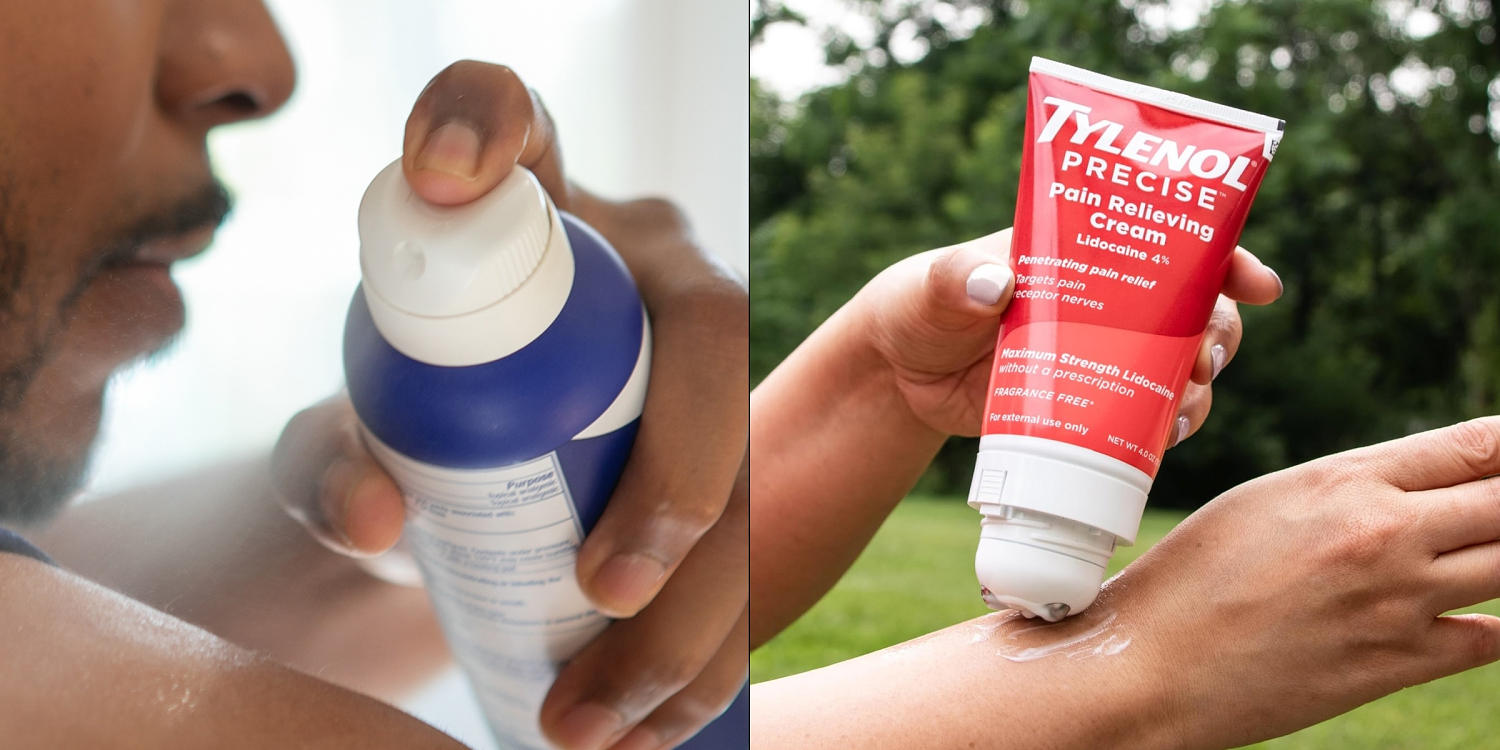
Lidocaine is the solution for this exact scenario. Products like Aspercreme with Lidocaine use a local anesthetic to completely block nerve transmission in a targeted zone. It has zero scent, creates no burning or freezing sensations, and just shuts off the pain signals traveling to your brain.
Athletes dealing with acute localized strains often prefer lidocaine patches over creams because the adhesive delivers a steady, controlled micro-dose of medicine for up to eight hours without requiring messy reapplication.
Natural and Alternative Formulas Worth Your Time
The market is flooded with herbal concoctions, but very few clear the bar. Penetrex has earned a cult following for a reason. Instead of relying solely on heavy menthol, it combines arnica, vitamin B6, and MSM to address tissue recovery from a different angle. Arnica has legitimate clinical backing for reducing bruising and minor trauma swelling. Penetrex absorbs completely in twenty seconds and leaves zero grease behind, making it the one cream I keep in my gym bag permanently.
Capsaicin is another heavy hitter derived from chili peppers. It works by depleting the chemical messengers that transmit deep, chronic pain signals. Warning: if you use a capsaicin cream like RockSauce Fire, wash your hands three times with soap afterward. Touching your face or eyes after applying capsaicin is a mistake you will only make once.
How to Choose Your Weapon
Stop buying random tubes based on pretty packaging. Match the cream to your specific misery.
- Use high-concentration menthol roll-ons when you want instant, mess-free cooling relief for broad muscle groups after a grueling gym session.
- Reach for topical diclofenac if you are fighting nagging joint inflammation in your fingers, wrists, or knees that lingers for days.
- Keep an unscented lidocaine cream or patch on hand if your skin is sensitive or you hate smelling like a gym locker room.
- Invest in arnica-infused formulas like Penetrex when you want quick absorption and targeted support for deep bruises or generalized tissue trauma.
Check the active ingredient label before you hand over your credit card. Pick the chemical family that solves your specific problem, throw out the gimmicky snake oils, and give your body the actual mechanical assistance it needs to bounce back.