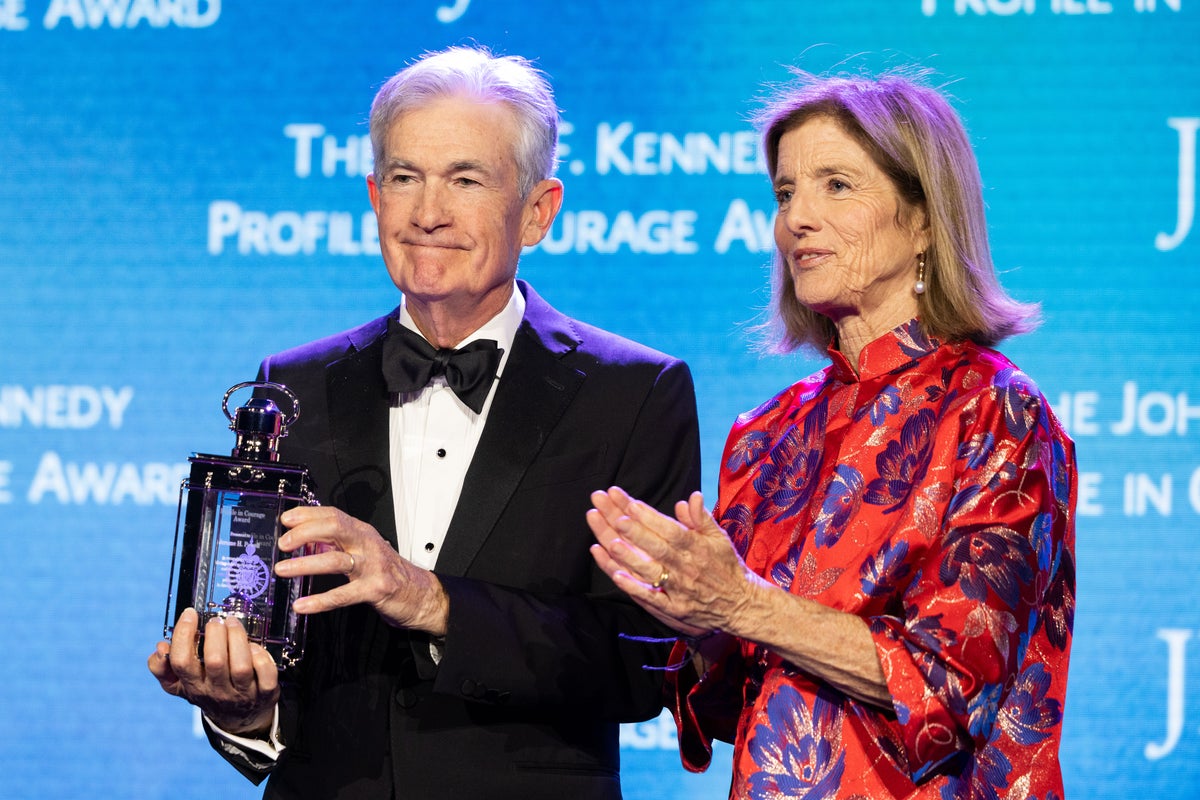
The Grand Illusion of the Independent Fed
The financial press is currently backslapping former Federal Reserve Chair Jerome Powell for his supposedly heroic defense of central bank autonomy. The narrative is neat, tidy, and completely wrong. It paints a picture of a brave technocrat standing as a bulwark against political interference, protecting the economy from short-sighted politicians.
This is a bedtime story for institutional investors.
The institutional consensus treats Federal Reserve independence as an absolute reality. It is not. It is a carefully managed public relations strategy. The Fed has always been, and will always be, a deeply political institution. Pretending otherwise does not protect the market; it blinds it. When a central bank chair issues stark warnings about political pressure, they are not defending an objective fortress. They are engaging in political theater designed to shift blame before the economic bills come due.
I have watched Wall Street swallow this narrative through multiple market cycles, routinely mispricing risk because they believe the Fed operates in a vacuum of pure economic theory. It does not. The monetary policy transmission mechanism is inextricably linked to fiscal reality. To understand where interest rates and inflation are actually going, we have to stop worshiping at the altar of central bank purity and look at the structural incentives at play.
The Flawed Premise of Standing Up to Power
The core argument celebrated by the media is that Powell’s resistance to executive branch pressure during his tenure saved the US economy from hyperinflationary interference. This argument rests on a fundamental misunderstanding of how institutional power works in Washington.
An institutional leader does not survive by ignoring the political climate; they survive by navigating it. The public clashes between the executive branch and the Eccles Building are rarely about pure economic doctrine. They are about optics and accountability.
Consider the mechanics of the Federal Reserve System. The President appoints the Board of Governors, and the Senate confirms them. The Fed operates under a mandate handed down by Congress: maximum employment and stable prices. When the Fed manipulates the federal funds rate, it directly alters the borrowing costs of the federal government.
$$R_{nominal} = R_{real} + \pi^e$$
The Fisher equation reminds us that nominal interest rates reflect real rates plus expected inflation ($\pi^e$). When the fiscal authority runs massive structural deficits, the central bank cannot remain neutral. If the Fed raises rates to combat inflation, it drives up the servicing cost of the national debt, directly forcing Congress's hand. If it keeps rates low to accommodate government spending, it fuels inflation. Either choice is political. The idea that a Fed Chair can simply opt out of this dynamic through sheer force of will is a fantasy.
Breaking Down the "People Also Ask" Illusions
The mainstream financial discourse is dominated by questions that assume the traditional narrative is true. Let us dismantle them one by one.
Does political pressure cause central banks to fail?
The conventional wisdom says yes, pointing to hyperinflationary episodes in developing economies where dictators printed money to pay soldiers. But in a mature capital market like the United States, the pressure is far more subtle. It is not about a phone call ordering a rate cut. It is about the shared intellectual monoculture of the technocratic elite.
The real danger is not that the Fed obeys the President; it is that the Fed and the executive branch read the same academic papers, attend the same conferences, and suffer from the same blind spots. The delayed response to the post-pandemic inflation surge was not caused by political bullying. It was caused by collective groupthink within the economics profession regarding "transitory" supply shocks.
How does the Fed maintain its independence?
It doesn't. It maintains the appearance of independence to preserve its credibility with the bond market. If global bond vigilantes believe the Fed is merely an arm of the Treasury, they will demand a higher term premium on US debt to compensate for inflation risk.
Therefore, public posturing about autonomy is an economic necessity for the Fed. It is a signaling mechanism designed to keep long-term inflation expectations anchored. When a Fed Chair warns about political threats, they are executing a strategic communications maneuver to reassure foreign central banks and sovereign wealth funds that US Treasuries remain a safe store of value. It is marketing, not a constitutional crisis.
The Invisible Cost of Technocratic Insulation
Unintended consequences always follow when an institution becomes insulated from public accountability. When the Fed acts without political oversight, it shifts the distributional consequences of monetary policy away from working-class savers and toward asset owners.
+--------------------------------------------------------+
|              THE ASSET INFLATION FEEDBACK LOOP         |
+--------------------------------------------------------+
|                                                        |
|     Fed Insulates Itself via "Independence" Narrative  |
|                           │                            |
|                           ▼                            |
|     Prolonged Low Interest Rates / Quantitative Easing |
|                           │                            |
|                           ▼                            |
|     Asset Prices Surge (Stocks, Real Estate, Crypto)   |
|                           │                            |
|                           ▼                            |
|     Wealth Inequality Widens Without Congressional Vote|
|                                                        |
+--------------------------------------------------------+
This dynamic bypasses democratic processes. If Congress wants to redistribute wealth, it must pass a law, debate it in public, and face voters. When the Fed redistributes wealth via quantitative easing and interest rate manipulation, it does so behind closed doors under the guise of technical expertise.
The downside of challenging this independence narrative is obvious: it introduces market volatility. If investors accept that the Fed is political, the risk premium on every asset class must rise. Volatility increases because monetary policy becomes as unpredictable as a mid-term election. But pretending the risk does not exist is far more dangerous than pricing it accurately.
The Market Guide to Reality-Based Investing
Stop trading based on what the Fed says it will do, and stop overanalyzing the personal fortitude of whoever sits in the Chair's seat. Instead, look at the structural realities that dictate their choices.
- Ignore the Rhetoric, Watch the Treasury General Account (TGA): The liquidity in the financial system is heavily influenced by how the Treasury manages its cash balances. This matters far more for short-term market direction than a speech at an economic symposium.
- Track Real Yields, Not Nominal Targets: The market often reacts violently to changes in the target federal funds rate, but the real economic driver is the real interest rate (the nominal rate minus inflation). If the Fed raises rates but inflation stays high, monetary policy remains loose, regardless of how hawkish the Chair sounds on television.
- Price in Structural Inflation: The combination of deglobalization, defense spending, and energy transition costs means structural inflation is higher than the official 2% target. The Fed will eventually have to tolerate this higher inflation because forcing it down to 2% would require destroying the banking sector or causing a sovereign debt crisis.
The market rewards those who see the world as it is, not as it is drawn in economics textbooks. The Federal Reserve is an arm of the state, managing the world’s largest fiat currency system in coordination with the world’s largest debtor government. No amount of awards, legacy-polishing speeches, or media praise can change that structural reality.
Stop looking for heroes in central banks. Look at the balance sheet.