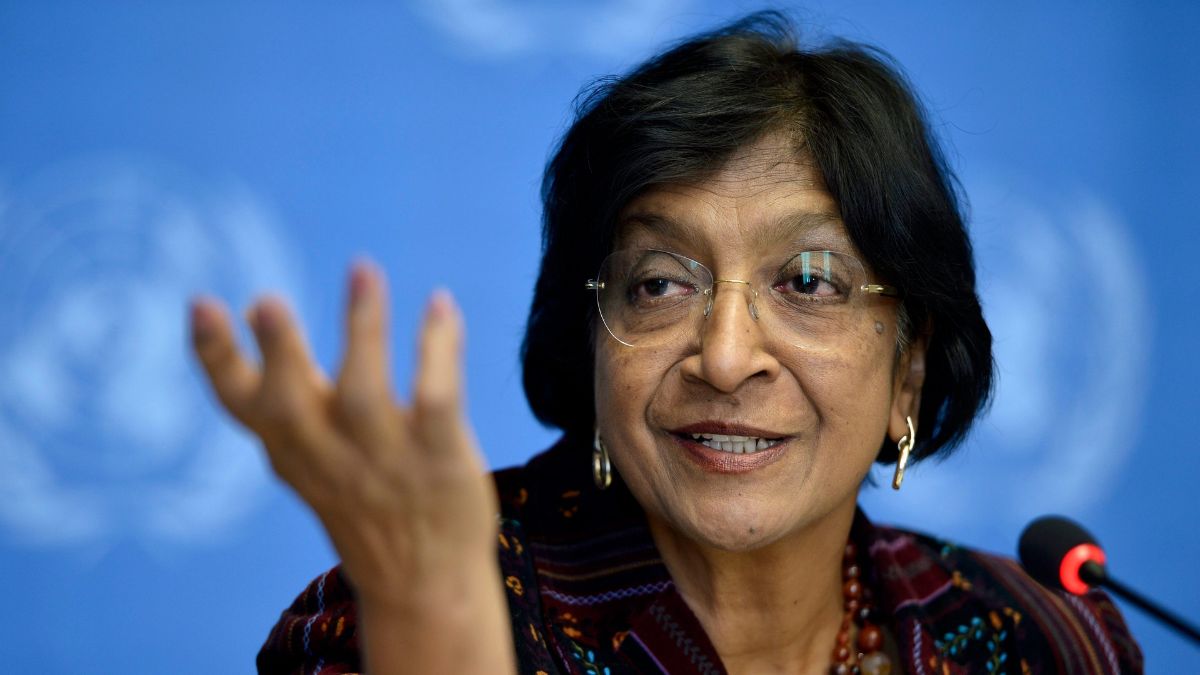
International law usually feels like a blunt instrument used only against the weak. Powerful nations break treaties, start wars, and shrug off civilian casualties with zero consequences. Then comes a career like Navanethem "Navi" Pillay.
Winning the 2026 Nobel Peace Prize wasn't just a shiny medal for a retired bureaucrat. It was a direct, unapologetic middle finger to every head of state who thinks they can commit atrocities behind closed doors and escape accountability. If you don't know why her name makes global superpowers sweat, you haven't been paying attention to modern history.
From Durban Basements to Global Courtrooms
Born in Durban, South Africa, in 1941, Pillay didn't step into a comfortable corporate legal track. She grew up under the crushing weight of apartheid, watching the legal system function as a tool of oppression. She decided to use that exact system to break it.
Back in 1967, she shattered a massive glass ceiling by becoming the first non-white woman to open her own law firm in South Africa's Natal province. She didn't take easy civil cases. She defended anti-apartheid activists, fought for political prisoners, and constantly clashed with state prosecutors who wanted her silenced.
She didn't stop when apartheid fell. Pillay took her courtroom grit straight to the international stage, serving on the International Criminal Tribunal for Rwanda, stepping up as a judge on the International Criminal Court (ICC), and eventually taking the wheel as the United Nations High Commissioner for Human Rights.
Why the Nobel Committee Chose Her Right Now
The Nobel Peace Prize often goes to safe, uncontroversial figures who plant trees or sign symbolic agreements that change nothing on the ground. Pillay is the exact opposite.
As chair of the UN Independent International Commission of Inquiry on the Occupied Palestinian Territory, she spearheaded investigations that looked square at the Israel-Hamas war, calling out war crimes and crimes against humanity on multiple sides. Her findings directly fueled the ICC arrest warrants that sent shockwaves through Washington and Jerusalem.
Predictably, the political backlash was vicious. Critics and foreign leaders screamed bias, slapped sanctions on international courts, and accused the system of corruption. Pillay didn't flinch. Giving her the Nobel Peace Prize sends a clear signal: investigating war crimes isn't optional, and shielding allies from accountability has an expiration date.
The Uncompromising Legacy Left Behind
Pillay is still active, currently sitting as a judge ad hoc at the International Court of Justice on Gambia's genocide case against Myanmar. She doesn't care about diplomatic niceties. She cares about evidence, victims, and the cold reality of international law.
Most politicians hate her because she treats everyone by the same rulebook. That is precisely why her work matters. Real justice isn't polite, and it certainly doesn't care about your geopolitical influence.
The message behind Navi Pillay's Nobel
This video explores the global reactions and deeper political significance behind Navi Pillay receiving the Nobel Peace Prize.