The hum of the upright machine sounds like breathing. It sits between the lottery ticket counter and the rack of stale beef jerky, glowing with an electric invitation that never blinks. To the casual patron buying a morning coffee, it is just another piece of plastic and glass blinking in the fluorescent glare of a neighborhood convenience store.
To Mark, it was a predator.
Mark knew the sound of that hum in his bones. For five years, his life had been a series of controlled explosions, centered entirely around regulated slot machines in casinos three hours away. He had learned how to manage the miles, how to ration his gas money, how to build physical walls between himself and the temptation. He had fought hard for his sobriety, white-knuckling his way through recovery meetings, carving out a quiet routine where the flashing lights were kept safely at a distance.
Then came the grey boxes.
They slipped into local gas stations, bowling alleys, and corner diners across Pennsylvania without fanfare. Unregulated, unmonitored, and wrapped in bright, flashing cartoons, these skill games promised a loophole. They whispered that if you just timed your button press right, if your eye was sharp enough, it wasn't gambling anymore. It was an arcade. It was skill.
Mark found one three blocks from his front door.
The Anatomy of a Loophole
Let us talk about what these machines actually are, stripped of the marketing gloss and the legal grey zones.
Pennsylvania has spent years wrestling with the phenomenon of skill games. While traditional slot machines are tightly bound by the Casino Control Act, taxed heavily, and restricted to licensed gaming facilities, skill games operate in a legal purgatory. Manufacturers argue that because a player can theoretically influence the outcome through a button-press reaction time, the machines fall outside the legal definition of gambling.
Courts have pushed back and forth, turning the definition of luck versus skill into a bureaucratic slugfest. But while judges debate definitions in wood-paneled courtrooms, the real-world impact is unfolding on sticky linoleum floors.
Consider how they work. A standard casino slot machine utilizes a pseudo-random number generator that is rigorously tested for fairness and payout percentages. These independent skill games, however, operate in a Wild West of oversight. There is no state mandated minimum payout percentage. There are no self-exclusion lists where a recovering addict can legally bar themselves from playing. There are no mandatory cooling-off periods or limit alerts blinking on the screen when a player has spent their grocery money.
They are designed to mimic the exact psychological triggers of classic slot machines: near misses, flashing celebrations for losses smaller than the initial bet, and a hypnotic auditory loop that keeps the dopamine firing. But they lack every single guardrail society built to protect people like Mark.
The Invisible Stakes
When people think of addiction, they picture rock bottom. They picture dramatic showdowns, empty bank accounts, and families shattering overnight.
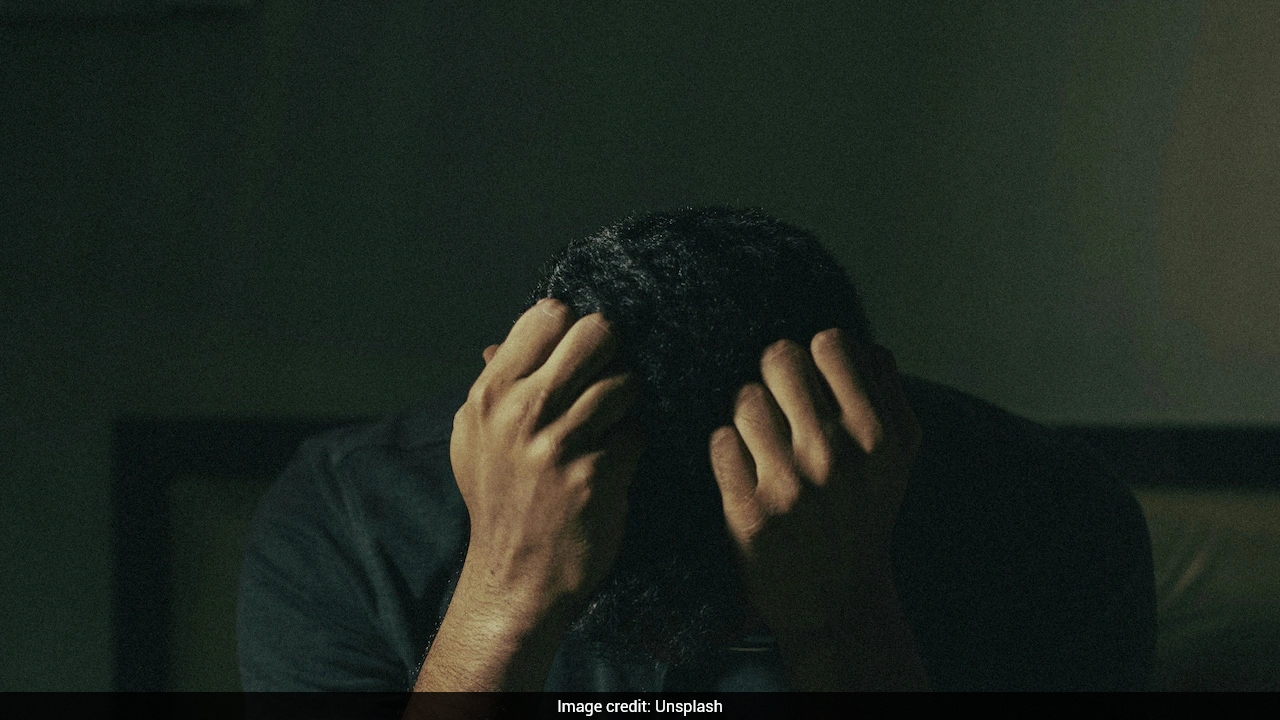
The reality is much quieter. It looks like Mark standing in a brightly lit convenience store at two in the morning, convincing himself that twenty dollars for a tank of gas can be stretched into forty if he just hits the bonus round on the screen. It looks like the grocery budget evaporating ten dollars at a time, hidden beneath a blur of flashing lights and digital spinning reels.
Recovery is fragile. It is built on distance and routine. When the trigger is moved from a specialized, distant destination like a casino floor to every single neighborhood stop sign, the rules of engagement change entirely. You cannot avoid every gas station. You cannot unsee every glowing screen positioned right next to the register where you buy milk.
What does it mean when a community trade-off is measured in convenience store revenue versus human collateral? The state looks at potential tax streams. Operators look at lucrative profit margins. But the people living in the recovery trenches look at a landscape suddenly littered with relapse triggers.
Why the Hope for a Ban Matters
There is a growing chorus of voices demanding an end to this unregulated experiment. Pennsylvania gambling addicts, along with advocacy groups and traditional casino operators who argue against unfair competition, are watching the courts with bated breath.
For the person fighting to keep their life together, a ban on these machines is not a matter of economic policy or legal philosophy. It is oxygen.
It is the restoration of a boundary. It is drawing a clear line between the places where we buy our daily bread and the places where we risk losing everything else. When the machines go dark, the noise stops. The corner store goes back to being just a corner store. The hum fades into silence.
Mark did not lose everything to the grey box down the street, but he came close enough to feel the heat. He caught himself before the fall, turned around, and walked out into the cold night air, leaving the glowing screen behind him.
Not everyone manages to walk away before the power runs out.