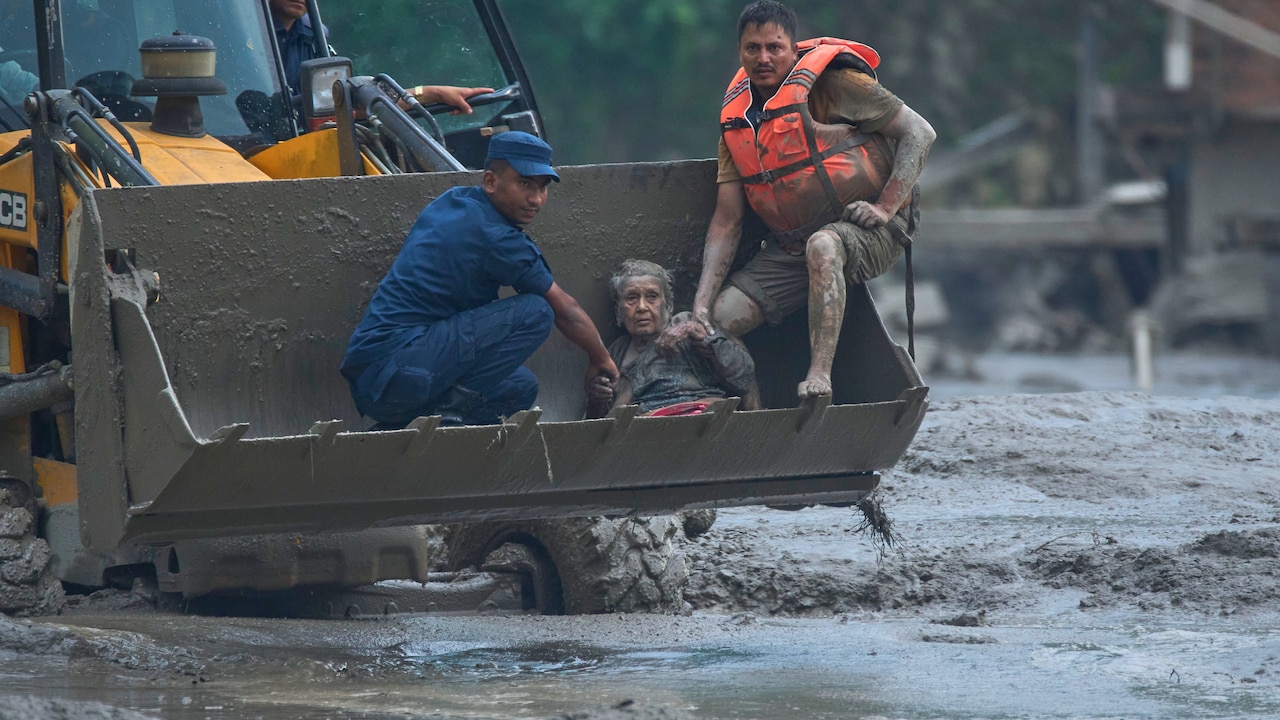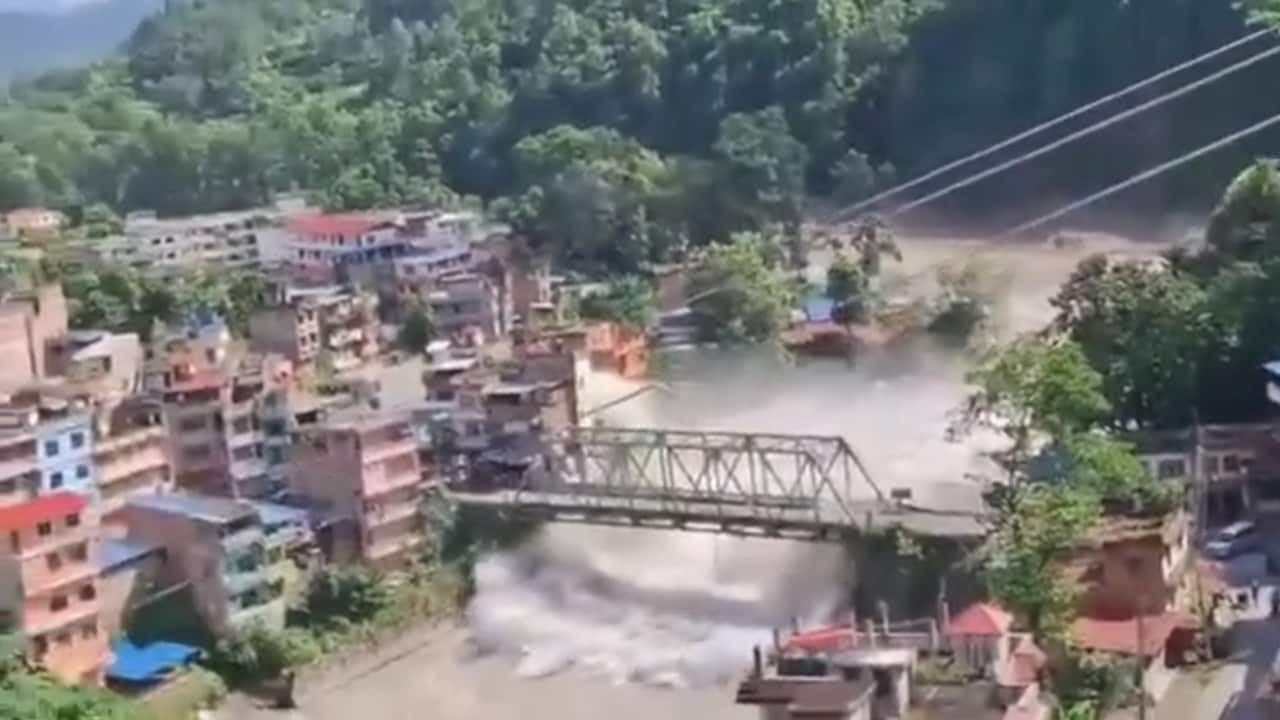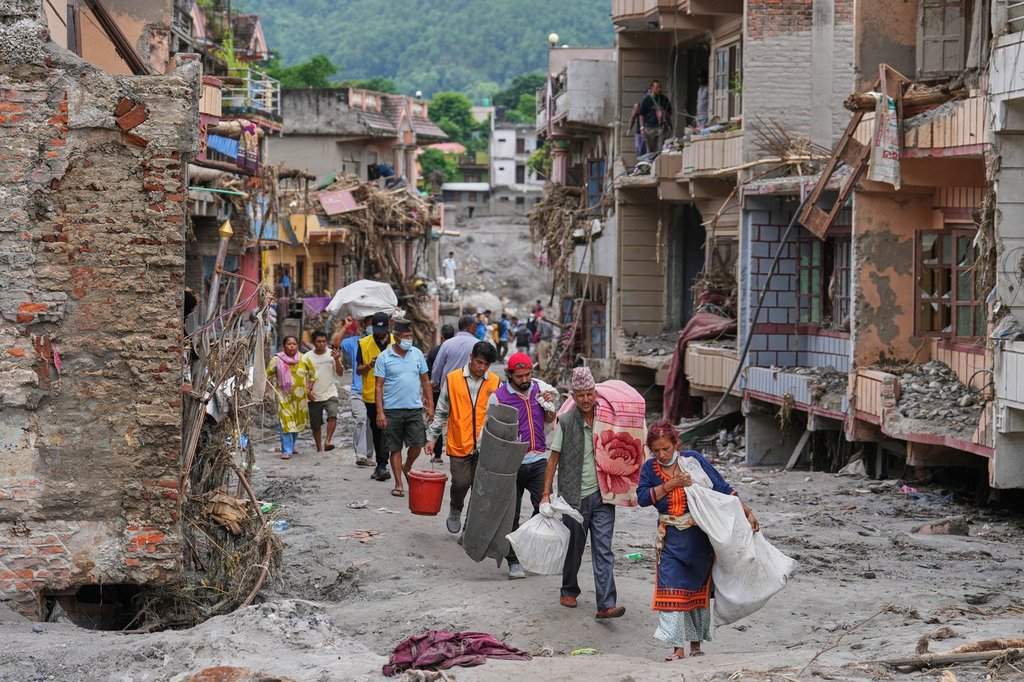
The monsoon rains in Nepal do not merely fall; they batter, reshape, and expose. When the swollen rivers breach their banks, sweeping away homes and stranding thousands of flood survivors on patches of high ground, the official narrative predictably turns to natural fury. Meteorological anomalies. Unprecedented cloudbursts. Acts of a capricious climate.
Spend enough time talking to hydrologists, disaster management veterans, and local engineers in the Kathmandu Valley and the southern plains, and a far more uncomfortable truth emerges. The catastrophe unfolding across Nepal is not just a meteorological event. It is a man-made failure of planning, enforcement, and accountability.
While families desperately await news of missing relatives along the muddy fringes of overflowing waterways, the systemic vulnerabilities that turned seasonal rains into a humanitarian crisis remain largely unaddressed. Understanding why Nepal's river valleys transform into death traps requires looking past the immediate emergency response and examining decades of unregulated land use, compromised infrastructure, and institutional inertia.
The Anatomy of a Preventable Disaster
Water always remembers where it used to flow. Urban planners have spent generations ignoring this fundamental hydraulic reality, and Nepal is paying the ultimate price for that arrogance.
Over the last two decades, rapid, chaotic urbanization has consumed natural floodplains. Concrete structures, commercial complexes, and hastily built residential colonies now occupy ground that was historically designated to absorb seasonal overflow. When monsoon downpours arrive, the water has nowhere to go. Natural drainage channels have been choked by solid waste, narrowed by illegal land encroachment, and blocked by poorly engineered road expansions.
The consequences are immediate and brutal. A river does not need to rise significantly to cause devastation if its traditional pathways are constricted. Road networks, often constructed without adequate culverts or hydrological impact assessments, act as accidental dams. They trap water on one side while accelerating velocity on the other, turning rural tracks into raging torrents.
Government disaster reports routinely classify these events as natural disasters. That designation is a convenient fiction. It absolves municipal authorities of responsibility for approving construction permits in high-risk zones. It masks the failure of local bodies to enforce zoning laws. And it allows politicians to frame institutional negligence as bad luck.
The Agony of the Missing and Displaced
Statistics sanitize tragedy. When news agencies report thousands of displaced citizens reaching temporary camps, the numbers fail to convey the grueling reality on the ground.
Displaced families crowding into makeshift shelters along elevated highways face immediate public health hazards. Clean drinking water becomes scarce within hours. Sanitation infrastructure collapses. Children and the elderly are left vulnerable to waterborne illnesses like cholera and dysentery, while medical supplies struggle to reach cut-off communities because bridges have washed away.
Beneath the immediate physical hardship lies a deeper psychological toll. The agony of waiting for news of missing loved ones is exacerbated by communication blackouts and sluggish institutional responses. Search and rescue operations in remote districts are routinely hampered by a lack of basic equipment. While military helicopters conduct dramatic extractions from rooftops, ground teams lack thermal imaging, specialized swift-water rescue gear, and stable communication channels.
The search for the missing often relies on the sheer determination of local volunteers rather than coordinated state intervention. Villagers use makeshift bamboo rafts and ropes to probe swirling brown waters where homes once stood. This reliance on grassroots heroism during every single monsoon cycle is an indictment of state preparedness.
Systemic Failures in Early Warning Systems
Technology exists to save lives before the water rises. Modern satellite monitoring, Doppler radar, and telemetry-based river gauges can provide hours, sometimes days, of advance warning before a flash flood hits downstream communities.
Yet, Nepal’s early warning architecture remains fractured. While central agencies receive meteorological data, translating those complex telemetry feeds into actionable, localized warnings for rural villagers is where the system breaks down. Sirens installed along riverbanks often fail due to lack of maintenance or power outages. SMS-based alert systems frequently miss vulnerable populations who lack mobile literacy, stable network coverage, or clear instructions on where to evacuate.
An early warning without a clear, practiced evacuation plan is just background noise. In many districts, local communities have never participated in structured flood drills. When sirens do sound, confusion reigns. People hesitate to leave their livestock and meager possessions behind, often waiting until escape routes are already submerged.
The Economic Trap of Short-Term Reconstruction
Every time the waters recede, a familiar political ritual begins. Politicians tour the devastation in military fatigues, promise sweeping reforms, and announce emergency relief funds. Weeks later, the media cycle moves on, and reconstruction defaults to the cheapest, fastest path available.
Roads are rebuilt in the exact same vulnerable alignments. Embankments are patched up with temporary gabion boxes rather than engineered correctly. Houses are repaired on the same erosion-prone riverbanks because families have nowhere else to go.
This cycle of destruction and superficial repair creates a perpetual economic trap. National development budgets are continually diverted from long-term productive investments into emergency disaster response. Families lose their life savings every few years, plunging generation after generation deeper into debt. Microfinance institutions report spikes in default rates following major flood seasons, as smallholder farmers lose both their crops and their collateral.
Breaking the Cycle
Real reform requires abandoning the comforting myth that nature is entirely to blame.
First, land-use zoning must be enforced with absolute strictness. Local governments must possess the political courage to halt illegal construction within high-risk floodplains, even when facing pressure from powerful real estate interests. Buffer zones along major river corridors need to be legally protected and, where possible, restored to natural wetlands that can absorb excess volume.
Second, infrastructure spending must prioritize climate resilience over political expediency. Bridges, roads, and drainage systems must be designed to withstand severe weather events that are becoming more frequent. Engineering standards must account for future climate projections, not historical rainfall averages from fifty years ago.
Third, early warning systems must be decentralized. Empowering local communities with reliable equipment, redundant communication networks, and rigorous evacuation training will save more lives than any centralized command center ever could.
Until these structural changes move from bureaucratic white papers into actual enforcement, the arrival of the monsoon will remain a terrifying annual audit of institutional failure. Families will continue to flee to high ground. Relatives will continue to wait by muddy riverbanks for news that may never come. And the cycle of preventable tragedy will repeat, fueled not by rain, but by indifference.