The Democratic Republic of the Congo is fighting another Ebola outbreak. If you think you've read this story before, you haven't. This one isn't the standard headline.
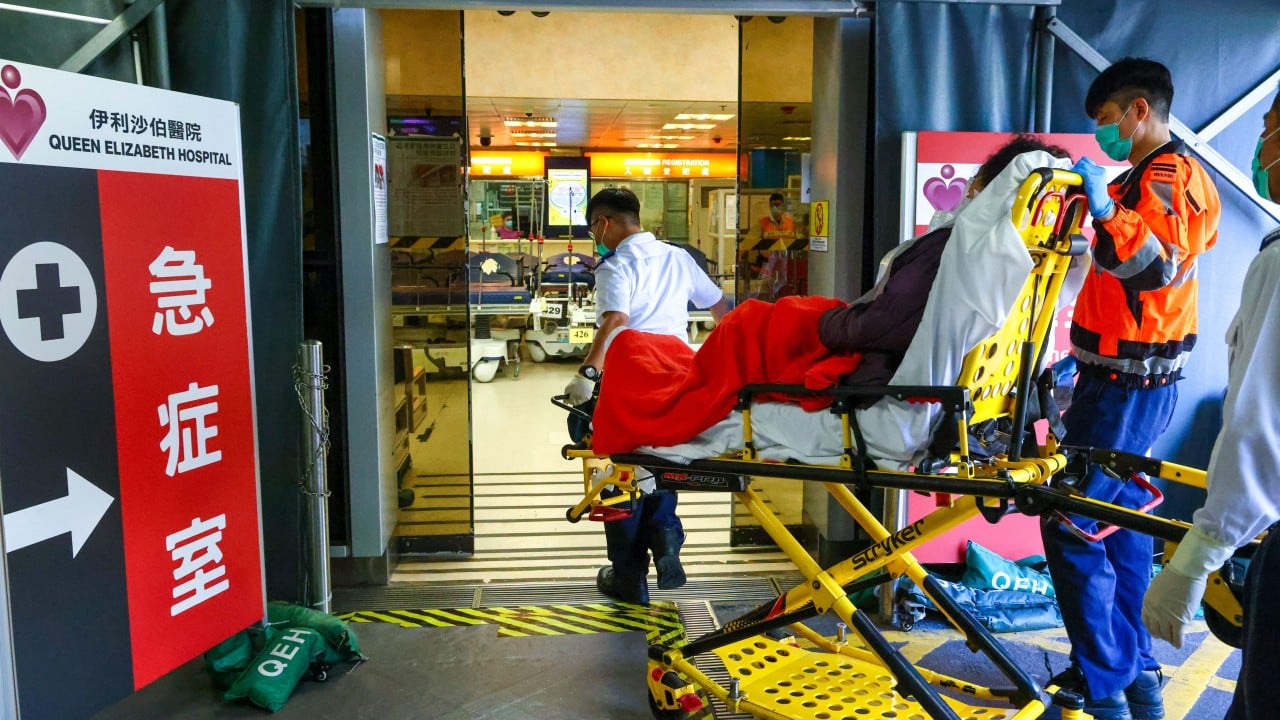
On May 18, 2026, Congolese Health Minister Samuel Roger Kamba announced that the country is opening three specialized Ebola treatment centers in the eastern Ituri province. The World Health Organization just declared this a Public Health Emergency of International Concern. The numbers are moving fast. We are looking at over 300 suspected cases and at least 88 deaths in Congo, plus confirmed cases popping up in Uganda and the major transit hub of Goma.
Here is the real problem. The medical community is quietly panicking. Jean Kaseya, the head of the Africa Centres for Disease Control and Prevention, bluntly admitted he is in "panic mode."
Why? Because the modern medical toolkit we built over the last decade to fight Ebola is completely useless right now.
The Bundibugyo Strain Has No Cure
When people talk about the medical miracles that tamed recent Ebola outbreaks, they are talking about tools built for the Zaire strain. The Ervebo vaccine and monoclonal antibody treatments like Ebanga work incredibly well against Zaire.
They don't do a thing for this one.
http://googleusercontent.com/image_content/193
This outbreak is driven by the Bundibugyo virus. It's a rare variant of Ebola, and this is only the third time it has ever surfaced. It was first identified in Uganda back in 2007, and showed up briefly in Congo in 2012. Because it happens so rarely, pharmaceutical companies and global health agencies never developed or stockpiled an approved vaccine or targeted therapeutic for it.
If you catch it, there is no magic shot. There is no proven antiviral. Doctors can only offer supportive care, like IV fluids and symptom management, while your body tries to fight off a pathogen that causes severe fever, intense muscle pain, vomiting, internal bleeding, and organ failure.
The initial lab data is alarming. The Institut National de Recherche Biomédicale analyzed an early batch of 13 blood samples from the Rwampara health zone. Eight of them came back positive. That is a massive positivity rate for a highly contagious virus that spreads through basic contact with bodily fluids.
An Epidemic Collision With an Active War Zone
If a completely untreated virus wasn't bad enough, look at where it is spreading. Ituri province is an active humanitarian crisis.
The outbreak kicked off in the Mongwalu health zone. Mongwalu is a high-traffic gold mining region. It is dense, transient, and packed with people moving in and out looking for work. From there, it quickly bled into Bunia, the provincial capital, and crossed over into Goma. Goma's local authorities just shut down the border with Rwanda after a traveler tested positive.
Managing contact tracing in a normal city is hard. Managing it in eastern Congo is almost impossible. The region is heavily controlled by fractured armed groups. People are constantly displaced by violence. According to official health cluster reports, there have been 44 separate attacks on healthcare facilities in Congo since January 2025 alone. Humanitarian workers face constant threats.
Local hospitals in Ituri were already completely overwhelmed by conflict casualties before the first Ebola patient walked through the door. Now, health workers are dying. At least four medical professionals have already succumbed to the virus. When doctors and nurses start dying, local clinics shut down, people stop trusting the medical system, and the virus tears through communities completely unchecked.
Why the Global Threat is Real
The U.S. Centers for Disease Control and Prevention just dropped travel advisories for Congo and Uganda. CBS News reported that at least six Americans working with international aid groups have already been exposed.
The geography of eastern Congo makes containment a nightmare. Ituri sits right on the rim of Uganda and South Sudan. The population moves constantly for trade, survival, and flight from militia violence. We are already seeing the fallout. Two infected travelers managed to make it all the way to Kampala, Uganda, where they ended up in intensive care units before anyone realized what they had.
This isn't a localized bush fire that will burn itself out in a remote village. It is already an urban and international issue. The network of informal, unregulated healthcare clinics across eastern Congo means patients with basic fevers are visiting backyard doctors, getting injected with unsterilized needles, and amplifying the spread before official surveillance teams even know they exist.
What Happens Next
Global health teams are trying to pivot. The WHO regional office for Africa just landed a team of 35 experts in Bunia alongside seven tons of emergency medical gear to prop up the three new treatment centers.
Africa CDC is trying to fast-track candidate vaccines and experimental medicines that have been sitting on lab shelves, hoping to get something into the field within weeks. But clinical trials take time, and time is the one thing Ituri doesn't have.
If you are an aid worker, traveler, or regional operator, the immediate priorities have shifted entirely to old-school containment tactics.
- Enforce strict isolation protocols: Without a vaccine, ring vaccination (vaccinating everyone around a confirmed case) is off the table. The only tool left is absolute physical isolation of symptomatic individuals.
- Implement zero-touch triage: Every informal and formal clinic in the surrounding zones must treat every single fever as a suspected case. This means implementing immediate temperature checks and physical barriers before patients enter general wards.
- Mandate safe burials: Traditional burial practices involving washing the deceased remain a massive driver of Bundibugyo transmission. Securing community trust for specialized burial teams is paramount to cutting off the infection chain.