Diplomacy rarely moves in a straight line, especially when heavy weaponry and deep-seated hostility are involved. Nikolay Mladenov just sat down with Israeli Prime Minister Benjamin Netanyahu in Jerusalem to push a high-stakes agenda. As the high representative for Gaza under the Board of Peace, Mladenov walked into that room with a specific mission. He brought a newly minted disarmament framework that the board secured with Hamas, and he brought a stern demand to stop the ongoing military strikes.
You have to wonder how constructive those closed-door talks actually were. The Board of Peace labeled the exchange "constructive and detailed," but reality on the ground tells a much messier story.
Inside the Disarmament Push
The core objective of this agreement sounds straightforward on paper. Strip the enclave of its militant infrastructure, clear out weapon depots, dismantle underground tunnels, and shift power away from armed factions toward civilian governance. President Donald Trump announced the arrangement late last Thursday as part of the next phase of a broader ceasefire framework.
Unlike previous fragile truces that relied entirely on good intentions, architects of this plan claim it runs on strict reciprocity. Every single action requires a matched reaction. A verification mechanism supposedly guards against bad actors breaking faith.
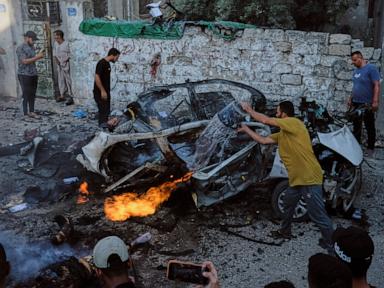
Yet, trust is practically nonexistent. Israel immediately voiced serious security concerns after the text went public. Instead of backing down to let diplomacy breathe, the military ramped up operations. Weekend airstrikes killed 17 people overnight between Saturday and Sunday, pushing the death toll from post-ceasefire flare-ups to 1,250 since major fighting paused last October.
Why Netanyahu Is Pushing Back
Netanyahu's office isn't easily swayed by international roadmaps. Israel maintains that it won't pull back from current operational lines until every single active threat to its soldiers and citizens is neutralized.
Mladenov and senior adviser Aryeh Lightstone spent their time in Jerusalem pressing the Israeli premier to honor the initial pledge of halting operations once a disarmament blueprint was accepted. It's a classic standoff. The international community wants compliance with the peace timeline, while Israeli leadership insists on maintaining tactical control until weapons are physically handed over and verified.
Meanwhile, regional mediators from Egypt, Qatar, and Turkey have condemned the recent escalation, calling the targeting of medical infrastructure a blatant violation of international law. Hamas, for its part, claims it is waiting for an official response from mediators while maintaining commitment to the second phase of the truce.
The Road Ahead for Postwar Gaza
Reconstructing a territory where over 73,000 people have died since late 2023 requires more than just high-level handshakes. It requires ironclad guarantees that neither side can easily tear up.
While Mladenov met with Netanyahu in Jerusalem, other members of the Board of Peace briefed U.S. congressional staff in Washington to line up backing for future reconstruction funds and security protocols. They want money and institutional momentum lined up before the ground shifts again.
If this disarmament deal collapses under the weight of renewed airstrikes and deep mutual distrust, the postwar transition plan for Gaza will effectively reset to zero. The immediate test isn't whether Hamas turns over its arsenal tomorrow. The test is whether Jerusalem and international envoys can agree on a joint definition of restraint today.