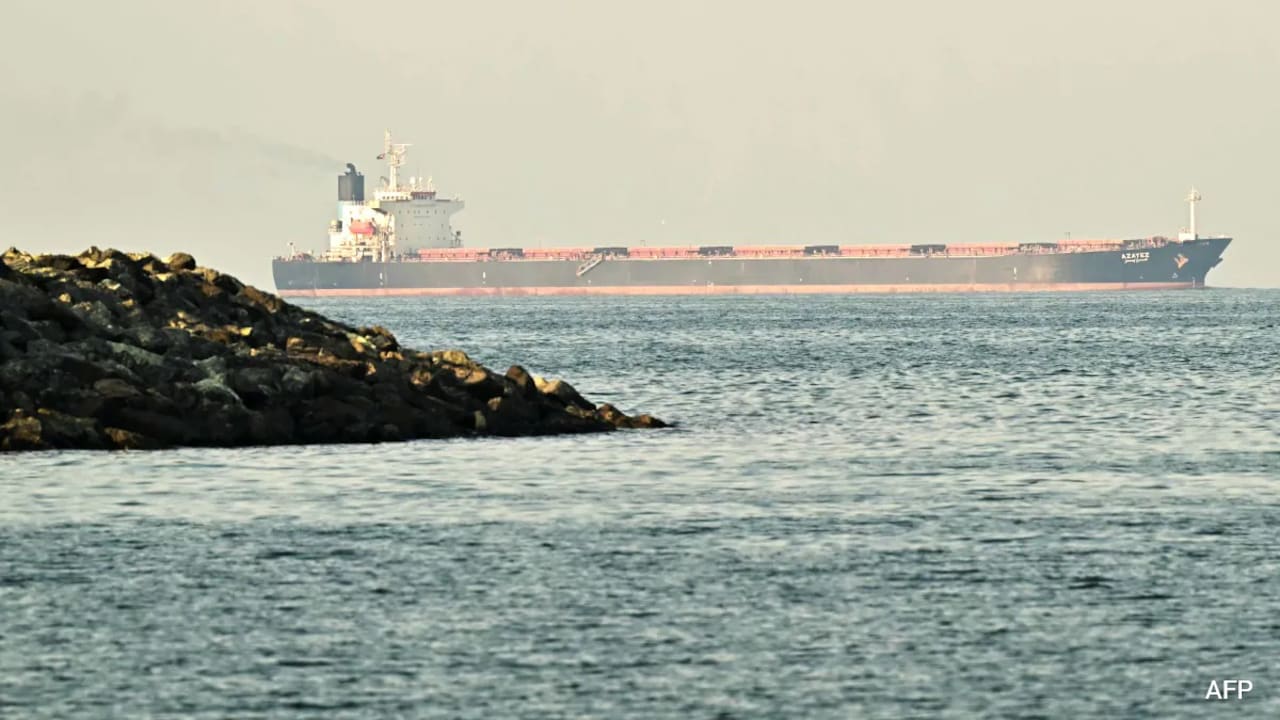
The Strait of Hormuz is practically choked, and global energy markets are sweating. If you think this is just another diplomatic talking point, look closer at the map. Tehran and Muscat just laid out a framework for a joint temporary navigation corridor and a massive mine-clearing operation. It is a high-stakes chess move.
Iranian Foreign Minister Abbas Araghchi and Omani Foreign Minister Badr al-Busaidi met in Tehran to push this phased framework through. Commercial shipping has bled for months following the outbreak of the regional war. Energy flows through this narrow artery support a huge chunk of global oil and liquefied natural gas. When this passage stalls, every consumer on earth pays more at the pump.
What the Temporary Corridor Actually Means
Let's look past the diplomatic spin. Under the proposed arrangement, ships would transit through a controlled route running largely through territorial waters. It is an interim patch designed to get tankers moving while technical teams hash out a permanent solution.
The plan also involves clearing naval mines scattered across the waterway. That sounds simple, but it is dangerous, painstaking work. The Joint Maritime Information Center maintains a severe threat assessment regarding drifting ordnance. Without a coordinated sweep, no captain with a brain will risk a billion-dollar vessel.
Oman is walking a tightrope here. Muscat wants to restore maritime safety without alienating its neighbours or ceding its sovereignty over regional waters. Iran, meanwhile, insists that a temporary corridor does not mean a total, unconditional reopening of the strait. Tehran wants concrete sanctions relief and the lifting of opposing naval restrictions before normal traffic resumes.
The US Factor and Market Realities
Washington is watching these bilateral talks with intense scrutiny. President Donald Trump recently claimed that international waters in the strait are cleared of mines, backed by a zero-tolerance policy against new explosive placements. At the same time, the White House continues to tighten secondary sanctions on Iran's economy.
This creates a messy collision course. You have US naval pressure on one side and a localized Iranian-Omani security arrangement on the other. Shippers are caught right in the middle. They need clear answers on traffic management, reporting procedures, and insurance rates before sending cargo back into the zone.
If you are tracking global supply chains, don't expect an overnight fix. Technical negotiations for a permanent administration of the strait will take months. Watch the coordination between Gulf littoral states closely. Real stability won't arrive until regional powers agree on permanent rules of the road. Keep your logistics flexible, monitor official maritime advisories daily, and do not rely on headline-level optimism alone.