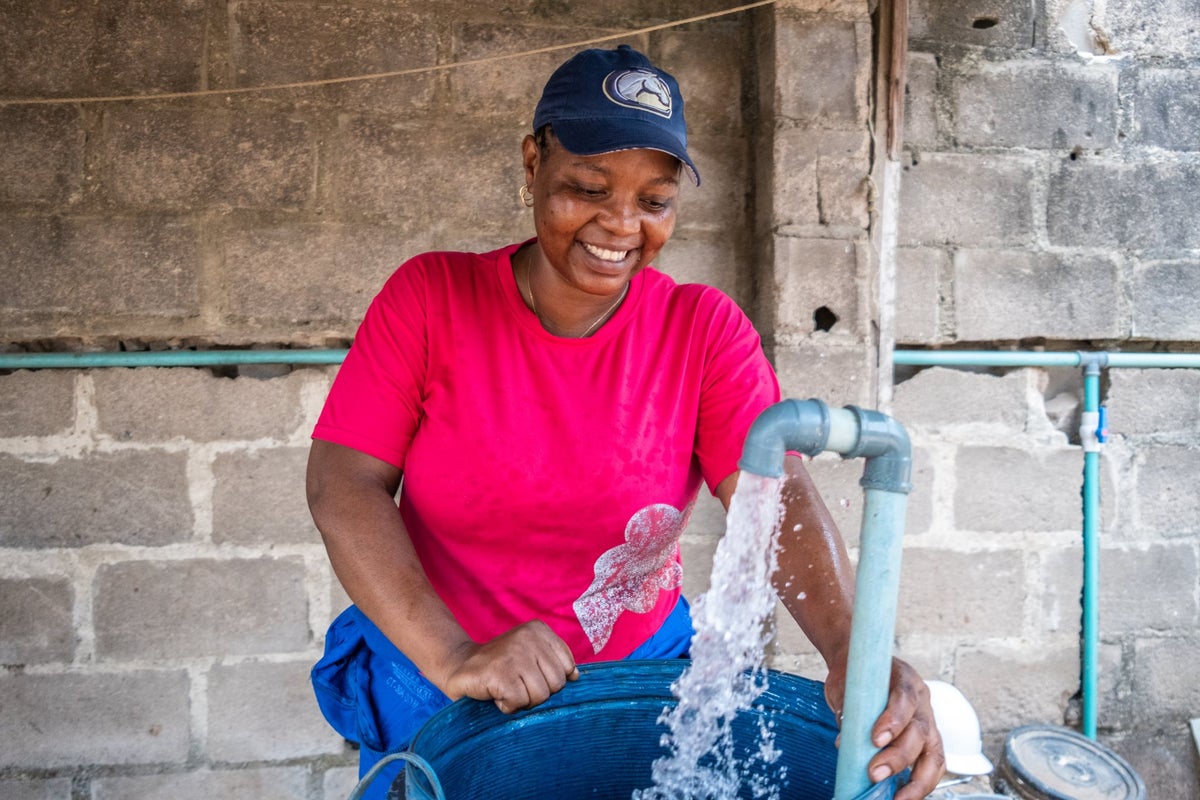
The global water crisis isn't a future threat. It's a current catastrophe. We’re watching a massive, coordinated effort to bring reliable clean water to an extra one billion people, and frankly, it’s about time. For decades, international aid focused on digging wells that broke within a year. We sent money to regions without fixing the systems that actually keep water flowing. That’s changing. This new landmark push focuses on infrastructure that lasts, not just photo ops with a new pump.
If you think this is just about charity, you’re missing the bigger picture. Reliable water access is the foundation of global economic stability. When people spend four hours a day walking to a muddy creek, they aren’t starting businesses. They aren't in school. They’re stuck in a cycle of survival. Providing water to a billion people isn't just a humanitarian win. It's an economic engine that could reshape the coming decade.
The Reality of Why Water Projects Fail
I've seen it happen. A non-profit rolls into a village, installs a high-tech filtration system, and leaves. Six months later, a $5 part breaks. Nobody knows how to fix it. Nobody has the spare part. The system sits there rusting while the community goes back to the contaminated river. It's a waste of capital and a betrayal of trust.
The current initiative led by groups like the World Bank and various UN agencies is finally shifting toward "service delivery" rather than just "hardware." This means setting up local supply chains. It means training local technicians who actually live in the community. If you don't have a guy with a wrench ten miles away, your multi-million dollar water project is just expensive junk.
Recent data from organizations like Water.org suggests that for every dollar invested in water and sanitation, there’s a four-dollar return in economic productivity. That’s a massive ROI. But you only get those returns if the water stays on. The focus now is on sustainable utility management. We’re talking about treating water like a business—one that needs to be maintained, billed fairly, and managed professionally.
Scaling to One Billion Without Breaking the Bank
How do you actually reach a billion people? You don't do it with bottled water or temporary trucks. You do it by fixing the utilities in rapidly growing cities. By 2030, a huge chunk of the world’s population will live in urban centers that currently lose 50% of their treated water to leaks and theft. This is called "non-revenue water."
Basically, we’re pouring money down the drain.
Instead of just finding new water sources, the current push emphasizes fixing what we already have. Smart sensors and acoustic leak detection are becoming standard. If a city can cut its water loss by half, it can often double its service area without drawing a single extra gallon from the ground. It’s cheaper, faster, and smarter than building new dams.
Decentralized Solutions for Rural Areas
In rural spots, the strategy looks different. Solar-powered pumping is a huge deal right now. In the past, diesel pumps were the norm, but fuel is expensive and hard to transport to remote areas. Solar panels have plummeted in price. Now, a village can have a consistent water supply powered by the sun with almost zero operating costs. This isn't experimental stuff anymore. It’s proven tech that’s being rolled out at a massive scale.
The Climate Change Elephant in the Room
We can't talk about water without talking about the climate. Most of our current water maps are obsolete. Glaciers are melting, and traditional rainy seasons are becoming unpredictable. This landmark push isn't just about pipes; it’s about "water security."
This involves building diverse water portfolios. You can't rely on just one river or one aquifer. The most successful projects right now involve a mix of rainwater harvesting, wastewater recycling, and managed aquifer recharge. We’re basically using the ground as a giant battery for water, pumping it down during the wet season so we can pull it back up during the dry months.
It’s about resilience. If a community depends on a single source and that source dries up, they become climate refugees. By diversifying where the water comes from, we give these one billion people a chance to stay in their homes and build a future.
Why This Matters to You
Maybe you live in a place where water comes out of the tap every time you turn the handle. It’s easy to feel disconnected. But global water insecurity drives migration. It drives conflict. It disrupts the global supply chains that provide your clothes and your tech.
When a billion people gain access to clean water, the risk of waterborne diseases like cholera and dysentery drops. This prevents the next pandemic. It stabilizes regions that are currently on the brink of collapse. It’s the ultimate preventative medicine for a messy world.
Stop Thinking About Water as a Gift
The biggest shift in this new movement is the move away from the "gift" mentality. When people view water as a free gift from a distant NGO, they don't feel a sense of ownership. When it’s treated as a public service that they contribute to, everything changes.
Many successful programs now use micro-loans. Instead of giving a family a toilet or a tap, they provide a small loan so the family can buy their own. The repayment rates on these loans are incredibly high—often over 98%. People want to invest in their own health. They just need the capital to do it. This market-based approach is how we reach the "unreachable" billion. It scales in a way that pure charity never will.
Taking Action Today
If you want to support this shift, stop looking for the "drill a well" charities. Look for organizations that talk about "systems change" and "capacity building." Check out the work being done by the Global Water Partnership or the Rural Water Supply Network. These groups aren't interested in a quick photo; they’re doing the boring, difficult work of policy reform and technical training.
The goal isn't just to get water to a billion people by next year. The goal is to make sure that thirty years from now, their children still have clean water. That requires a level of planning and investment we've ignored for too long. We have the tech. We have the money. We just need the political will to treat water like the life-or-death priority it actually is.
Start by looking at the water footprint of the brands you buy. Support companies that disclose their water usage and invest in the watersheds where they operate. Real change happens when the private sector and the public sector stop pointing fingers and start building pipes.