The Pacific Ocean is heating up, and global weather systems are about to pay a massive price. According to recent updates from the World Meteorological Organization, a powerful El Nino phase is locked in and expected to persist through February 2027 with a near 100 percent probability.
If you think normal seasonal shifts are unpredictable, look closer. This isn't just a standard warming cycle. Meteorologists are tracking an exceptionally intense climate driver fueled by unusually warm tropical Pacific waters, and it threatens to rewrite temperature records and disrupt agriculture on a global scale. Also making news recently: The $4.2 Billion Anchor How Naftogaz Just Weaponized International Law Against Moscow.
What Makes This Cycle Different
Most people hear "El Nino" and tune out, assuming it is just another weather pattern that brings some rain to California and drought to Australia. This cycle operates on an entirely different level. The WMO points out that conditions in the tropical Pacific are primed for severe intensification.
When surface waters across the central and eastern Pacific stay this warm for months, the atmospheric response is violent. Jet streams shift out of their normal tracks. Monsoon rains fail in some regions while causing catastrophic flooding in others. Additional insights into this topic are detailed by NPR.
You cannot treat this like past climate anomalies. The baseline global temperatures are already elevated, meaning this cycle acts like an accelerant on a bonfire. Agricultural planners, supply chain managers, and energy grid operators are scrambling to adjust models that suddenly look outdated.
Real Risks for Global Food and Water Systems
Crops do not care about meteorological jargon. They care about water and heat. When a strong El Nino locks in through the winter months, it directly threatens major breadbasket regions.
- Southern Africa and parts of South America face severe drought risks, threatening corn and soybean yields.
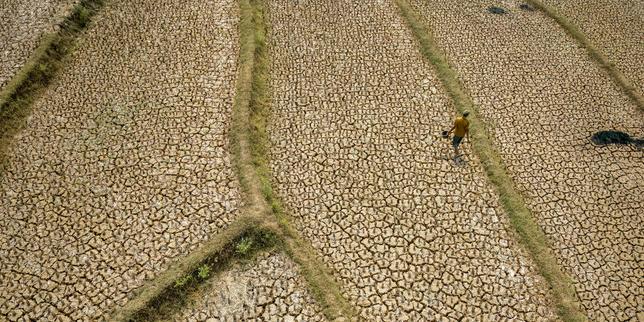
- Southeast Asia and Australia typically experience sharp drops in rainfall, hitting rice production and livestock hard.
- Parts of North America can expect wild swings, transitioning from intense atmospheric rivers on the coast to dry, warm winters inland.
Prices for basic commodities often spike months before harvest failures fully materialize. If you rely on stable food prices or manage inventory for climate-sensitive industries, ignoring these forecasts is a massive gamble.
Preparing for Extreme Volatility
Governments and disaster response agencies are already stepping up early-warning systems, but individuals need to think locally. Energy markets will face extreme pressure if winter heating demands spike alongside grid vulnerabilities caused by severe storms.
Check your local emergency preparedness plans if you live in a high-risk flood or drought zone. Review supply chain dependencies if your business relies on raw materials from regions vulnerable to Pacific climate swings. The data is clear, and the timeline is short. The next several months will test infrastructure worldwide.