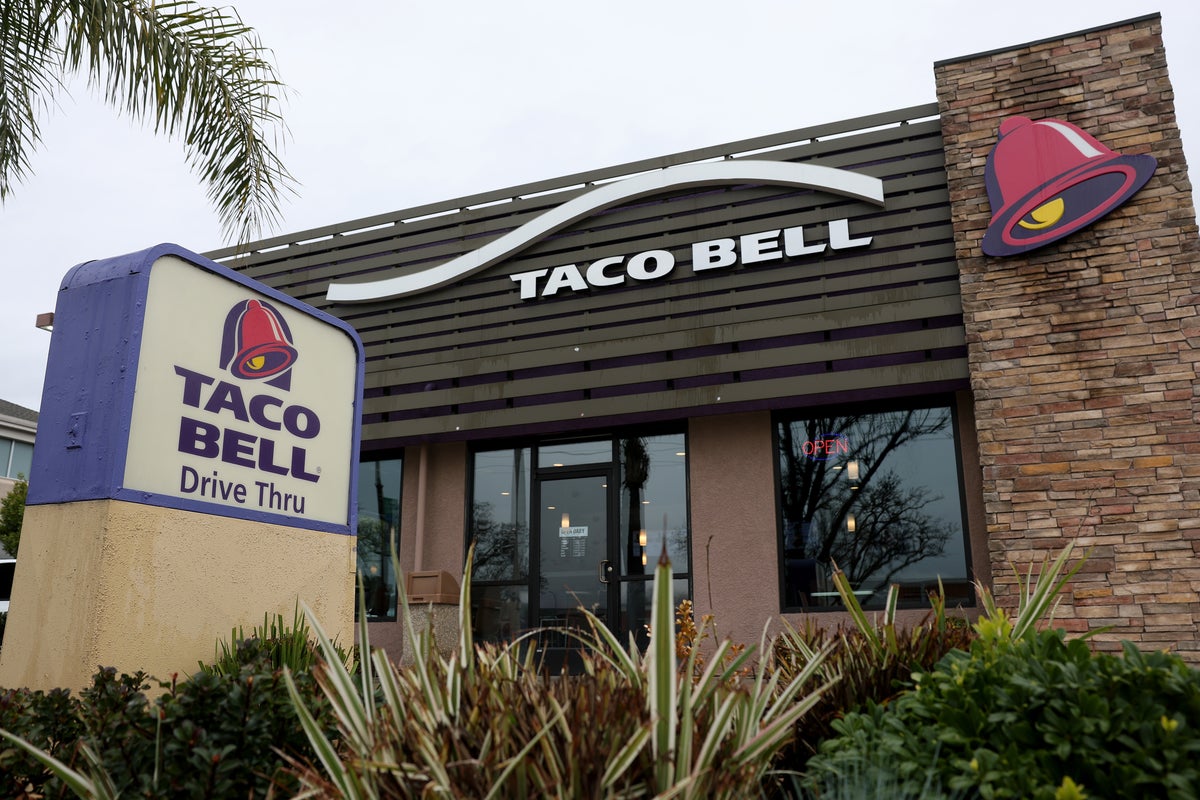
You pull into the drive-thru, craving a Cheesy Gordita Crunch or a loaded burrito, only to find a paper sign taped to the window warning you that the kitchen is fresh out of lettuce, cilantro, onions, pico de gallo, and guacamole. It sounds like a bad joke or a massive supply chain failure. Instead, it's a aggressive precautionary measure by one of the biggest fast-food chains in America as federal health officials scramble to track down the source of a massive parasitic outbreak sweeping across multiple states.
The microscopic culprit behind this sudden menu disruption is a parasite called Cyclospora. It causes cyclosporiasis, an intestinal infection infamous for causing prolonged, watery, and often explosive diarrhea. As cases spike across the Midwest and East Coast, several Taco Bell locations—particularly in states like Michigan, Illinois, Ohio, Virginia, and New York—have quietly pulled raw, fresh toppings from their assembly lines.
If you're wondering whether your local spot is safe or if you should skip the drive-thru altogether, you aren't alone. Let's look at exactly what's happening behind the scenes, why fresh produce keeps causing these massive public health scares, and how you can protect yourself without living on a diet of purely processed food.
The Precautionary Purge of Fresh Toppings
Taco Bell has not been named by the Centers for Disease Control and Prevention (CDC) or the Food and Drug Administration (FDA) as the source of the current outbreak. That's a crucial distinction to make right out of the gate. The chain is pulling these ingredients proactively rather than waiting around for a formal regulatory hammer to fall.
Notices posted outside affected locations in Metro Detroit and other hard-hit regions state that the restaurants are temporarily unable to sell lettuce, cilantro, onions, pico de gallo, and guacamole due to a nationwide produce recall. If you order something that usually features these ingredients, the kitchen will simply build your meal without them.
The strategy makes complete sense when you look at the raw numbers. The CDC has tracked a massive surge in cyclosporiasis cases over the last few weeks. Michigan alone has reported over 1,500 cases, which is wild considering the state typically sees only about 50 infections in an entire year. Nationwide, the case count is rapidly approaching the 3,000 mark.
By pulling raw produce from its menu items, Taco Bell is trying to avoid the public relations nightmare that plagued chains like Chipotle in the past. When thousands of people are getting sick from an unknown food source, serving raw, untraceable greens is an active corporate liability.
Inside the Gut What Cyclospora Actually Does
To understand why health departments are treating this with such urgency, you need to understand the biology of the pathogen itself. Cyclospora cayetanensis is a single-celled parasite that can only be seen under a microscope. It enters the human body through contaminated food or water, usually finding its way onto fresh fruits and vegetables that have been exposed to feces-contaminated water during cultivation, harvesting, or packaging.
Once inside your digestive tract, the parasite embeds itself in the lining of the small intestine. That's when the trouble starts.
The hallmark symptom of cyclosporiasis is watery, frequent, and violently explosive bowel movements. Unlike a typical 24-hour stomach bug or a mild case of food poisoning that clears up after a day of resting, a Cyclospora infection digs in for the long haul. Without treatment, the illness can easily persist for weeks or even months. Symptoms frequently cycle through a frustrating pattern where you think you're finally getting better, only for the cramps and diarrhea to return with full force a few days later.
Beyond the severe diarrhea, patients routinely report a laundry list of exhausting symptoms. These include severe stomach cramps, intense bloating, persistent nausea, extreme fatigue, loss of appetite, and noticeable weight loss. Some people also experience vomiting, muscle aches, headaches, and a low-grade fever that mimics a bad case of the flu. While the infection isn't usually life-threatening for healthy adults, it can quickly lead to severe dehydration, which can land vulnerable populations like young children or elderly individuals in the hospital.
The Nightmare of Tracing Raw Produce
You might wonder why health officials can't just pinpoint the exact farm responsible and fix the problem immediately. The reality of modern agricultural logistics makes foodborne parasite tracing an absolute nightmare for investigators.
When a nationwide outbreak occurs, the CDC and FDA work together to interview infected individuals. They build detailed timelines of what patients ate, where they shopped, and which restaurants they visited in the weeks leading up to their symptoms. The problem is that Cyclospora has an incubation period of about one week. By the time you start experiencing explosive diarrhea, the salad or taco you ate seven days ago is long gone, and your memory of every single ingredient you consumed is hazy at best.
Add to that the chaotic complexity of the produce supply chain. A single processing facility might receive lettuce or cilantro from dozens of different farms across the country or even from international growers. Those greens are washed, chopped, mixed into massive batches, bagged, and shipped out to thousands of different grocery stores and fast-food distributors. By the time a cluster of illnesses is identified in a specific city, the contaminated batch of produce has likely already been consumed or thrown away, leaving investigators to sort through a mountain of conflicting shipping manifests and invoices.
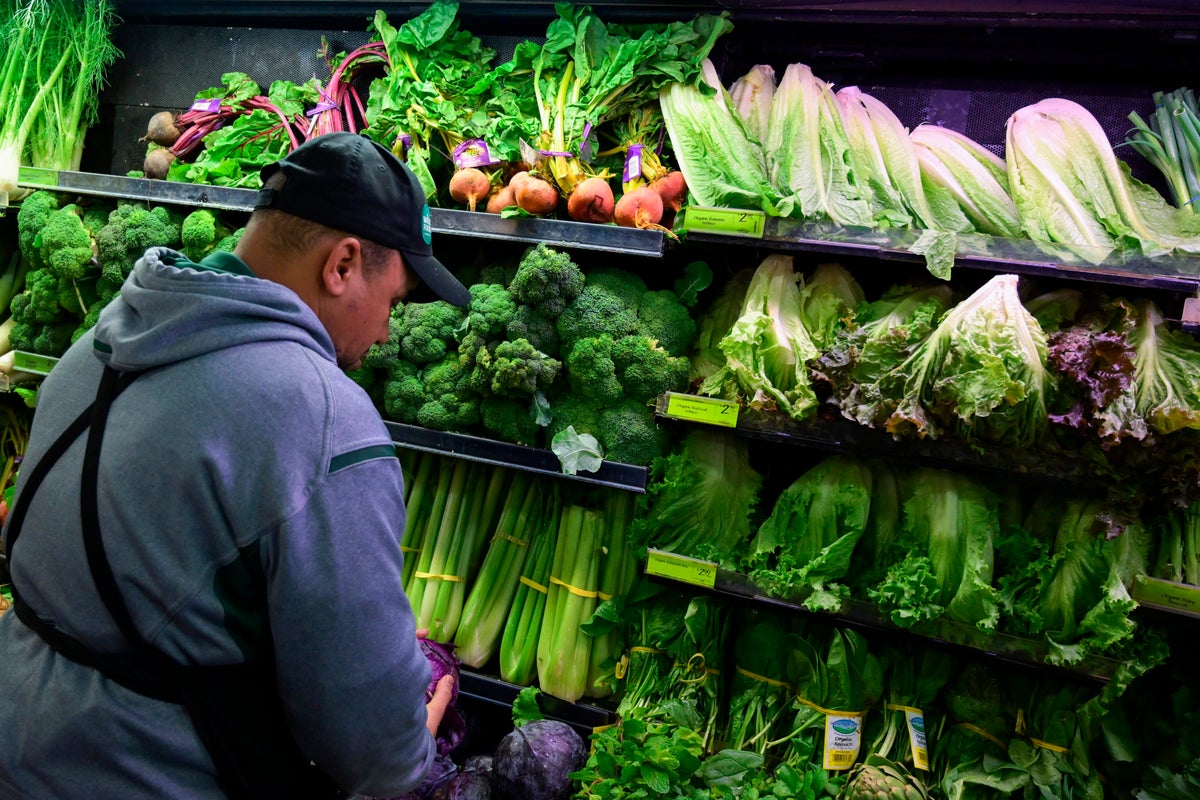
Historically, Cyclospora outbreaks in the United States have been stubbornly tied to items with plenty of folds, nooks, and crannies where the microscopic parasite can hide. Bagged salad mixes, fresh basil, raw cilantro, green onions, snow peas, and fresh raspberries are the usual suspects.
The Myth of the Clean Leaf
A common misconception among consumers is that you can just wash away a parasite like Cyclospora if you rinse your vegetables thoroughly enough under the kitchen faucet. Honestly, it doesn't work that way.
Washing your produce under clean, running water is always a good practice because it reduces the overall dirt and bacterial load on the surface of your food. It doesn't eliminate Cyclospora. The parasite protects itself with a hardened, microscopic shell known as an oocyst. This shell allows the organism to survive harsh environmental conditions and stick like glue to the microscopic crevices of leafy greens and herbs. Even commercial vegetable washes or vinegar solutions aren't strong enough to break down this defensive barrier or detach the parasite completely from the leaf.
The only definitive way to kill Cyclospora is through heat. Heating food to at least 158 degrees Fahrenheit will destroy the parasite and render the food safe to eat. That's why cooked dishes at Taco Bell—like the seasoned beef, warm beans, rice, and melted cheese—carry virtually zero risk of transmitting this specific parasite. The danger resides entirely in the raw, uncooked toppings that are added to your food right before it gets wrapped in paper and handed through the drive-thru window.
Managing the Risk Without Panicking
If you live in an area with a high concentration of reported cases, you don't need to completely alter your lifestyle or stop eating out entirely, but you do need to be incredibly smart about what you put on your plate.
If you're visiting a fast-food joint or a local sit-down restaurant, pay attention to the menu layout. For the time being, ordering items that are fully cooked and skipping the raw garnishes is the safest bet. Think about ordering your tacos plain with just meat and cheese, or opting for warm bowls instead of fresh salads. If a restaurant has proactively pulled certain ingredients like Taco Bell did, don't complain to the staff about your missing guacamole. They're doing you a massive favor by keeping those potentially compromised items out of your meal.
When you're preparing meals at home, reconsider buying bagged, pre-washed salad mixes or fresh herbs if your state is currently dealing with an active outbreak spike. Focus on vegetables that can be thoroughly cooked, peeled, or roasted before consumption. If you absolute must use fresh cilantro or lettuce, make sure you buy it from reputable sources, keep it properly refrigerated, and understand that you're taking a calculated gamble if the parasite is active in your local agricultural supply line.
Knowing When to See a Doctor
Because a Cyclospora infection looks so much like standard stomach bugs or viral gastroenteritis in its early stages, many people try to tough it out at home with sports drinks and rest. If your gastrointestinal issues linger for more than three or four days without any sign of improvement, it's time to call a healthcare provider.
A standard stool test doesn't automatically look for Cyclospora. If you go to an urgent care clinic or your primary physician, you need to explicitly mention the ongoing outbreak and request a specific test for ova and parasites or a gastrointestinal PCR panel that includes Cyclospora.
If the test comes back positive, the good news is that the infection is highly treatable. Unlike viral infections that just have to run their course, cyclosporiasis responds well to a specific course of antibiotics, typically a combination of trimethoprim and sulfamethoxazole, commonly known by the brand names Bactrim or Septra. Getting the right prescription will cut the duration of the illness down dramatically, saving you from weeks of agonizing stomach cramps and dangerous dehydration.
Keep a close eye on your local news and health department advisories over the coming weeks. As the CDC and FDA slowly piece together the distribution data, they will eventually identify the root supplier behind the contamination, allowing the food industry to flush the bad batches out of the market entirely. Until that happens, sticking to cooked foods and skipping the raw toppings is the smartest play you can make at the drive-thru.