The hum of an air conditioner in a Doha apartment is usually a comfort, a mechanical pulse that signals safety from the oppressive heat outside. But at 2:00 AM, when the windows rattled with a frequency that wasn't wind, that hum became a mocking reminder of how fragile the silence of the Persian Gulf truly is.
People didn’t wake up to news alerts. They woke up to the sound of the sky tearing open.
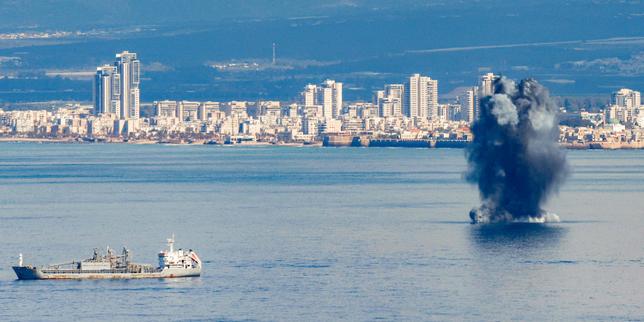
Reports began to filter through encrypted channels and frantic WhatsApp groups before the official wires could even catch their breath. The Iranian Revolutionary Guard Corps (IRGC) had launched a coordinated strike, claiming to have neutralized targets belonging to the U.S. Navy in Bahrain. But the shockwaves didn't stop at the water's edge. They rippled across the most expensive skylines on the planet.
A Midnight Horizon of Fire
Riyadh, Doha, Abu Dhabi. These names usually evoke images of glass spires and the relentless march of global capital. Tonight, they were defined by the dull thud of explosions echoing off their marble facades.
Imagine standing on a balcony in Manama, looking toward the Naval Support Activity Bahrain. You aren't thinking about the Fifth Fleet's strategic importance to global oil transit. You aren't weighing the geopolitical chess moves between Tehran and Washington. You are looking at the orange glow on the horizon and wondering if the glass in your window is about to become a thousand jagged shards.
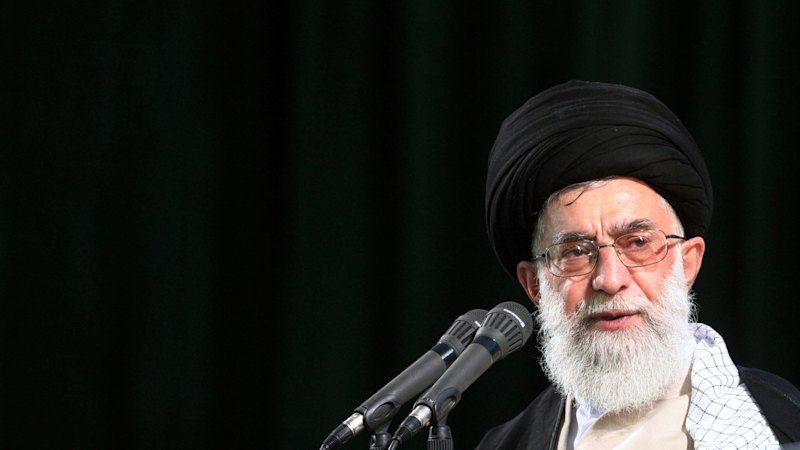
The IRGC statement was blunt. It spoke of retribution. It spoke of the U.S. presence in the Gulf as a cancer that had finally been lanced. But for the millions of expatriates and locals caught in the crossfire, the high-minded rhetoric of the "Gaurdians" felt like a secondary concern to the immediate, visceral reality of the ground shaking.
Bahrain’s Fifth Fleet headquarters is the nerve center for American power in the Middle East. It is the anchor. If that anchor is dragged, the entire region drifts into uncharted, stormy waters. When the IRGC confirmed the targeting of the U.S. Navy, they weren't just attacking ships. They were attacking the very idea of stability that allows the modern Gulf to exist.
The Invisible Stakes of a Shaking Earth
Why does an explosion in Riyadh matter to someone in London or New York?
It isn't just about the price of a gallon of gas, though that is the most common metric. It is about the delicate, almost miraculous architecture of the modern world. The Gulf is the world's engine room. If the engine room catches fire, the entire ship slows down.
When the sounds of explosions reached Doha and Abu Dhabi, they weren't just physical shocks. They were psychological breaches. These cities are built on the promise of a future that has moved past the conflicts of the 20th century. They are playgrounds of architecture and innovation. To hear a blast in the distance is to be reminded that all of that glass is remarkably easy to break.
The IRGC’s strategy is clear: demonstrate that no corner of the Arabian Peninsula is untouchable. By striking—or at least causing the sky to erupt—near Riyadh and the Emirates, they are sending a message that the U.S. security umbrella has holes in it.
The logistics of such a strike are terrifyingly simple. Drones and short-range ballistic missiles don't need a massive runway or a visible troop buildup. They can be launched from the back of a truck, disappearing into the desert before the first interceptor even leaves its silo. This is asymmetric warfare in its purest, most unsettling form.
The Human Cost of High-Altitude Politics
Consider the family in Riyadh who has lived through decades of regional tension but has never felt the percussion of a missile in their chest.
They don't see a "targeting of the marine." They see their children waking up in terror. They see the security guards at their compounds looking at the sky with a new, hollow kind of fear. The "invisible stakes" are the years of normalcy that are vaporized in a single night of escalation. Once the peace is broken, you can't just glue it back together. Every subsequent flight of a passenger jet or rumble of a distant truck becomes a source of panic.
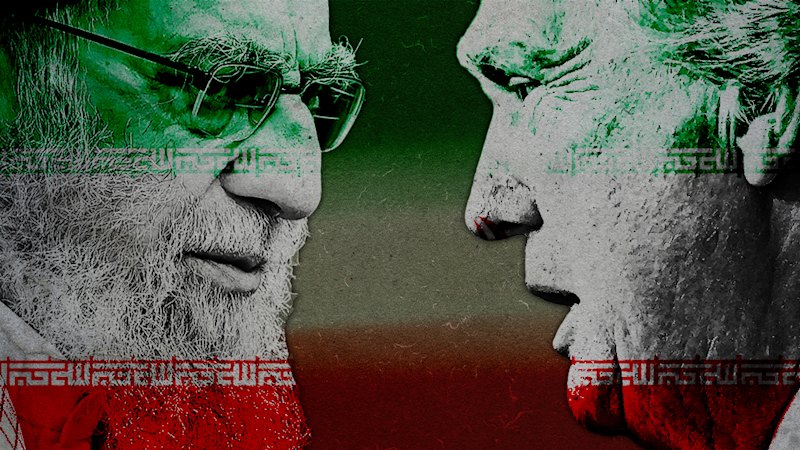
The IRGC's confirmation of the strikes serves a dual purpose. Domestically, it is a show of strength to a population that has been told for decades that the West is the ultimate enemy. Internationally, it is a dare. It is a challenge to the Biden administration and its allies to see how far they can be pushed before the "proportional response" turns into a regional inferno.
But the data tells a deeper story. If we look at the frequency of these "audible explosions" over the last five years, we see a pattern of tightening circles. What started as skirmishes in the desert or attacks on tankers in the open sea has moved to the doorsteps of the capital cities. The buffer zones are gone.
The Sound of Silence
As the sun began to rise over the Gulf, the official reports started to get more specific.
Casualty counts remained vague, as they always do in the immediate aftermath of a military operation. But the damage to the collective psyche was already measurable. The stock markets in the region didn't just dip; they held their breath.
The U.S. Navy in Bahrain is more than just a collection of gray hulls and sailors. It is a symbol of the post-WWII order. To target it so brazenly, and to pair that target with explosions in the hearts of neighboring kingdoms, is to signal that the old rules no longer apply.
There is a specific kind of silence that follows a night of explosions. It isn't a peaceful silence. It is the silence of people waiting for the next sound. It is the silence of an expat in Abu Dhabi packing a "go-bag" just in case. It is the silence of a diplomat in Riyadh realizing that the red lines they spent months drawing have been stepped over without a second thought.
We often talk about "regional escalation" as if it’s a line on a graph. It isn't. It’s a series of individual moments where someone decides to pull a trigger or press a button, and thousands of people elsewhere lose the ability to feel safe in their own homes.
The IRGC’s claim of targeting the Fifth Fleet is a direct jab at the heart of the global security apparatus. But the sounds heard in Riyadh, Doha, and Abu Dhabi are the echoes of that jab hitting the entire world. They are the sounds of a region that has spent trillions of dollars to look like the future, suddenly being dragged back into the darkest parts of its past.
As the morning light hit the Burj Khalifa and the twisting towers of Doha, the smoke on the horizon was a smudge on a masterpiece. The reality of the morning is a realization that the walls we build are only as strong as the peace we can maintain. And right now, that peace is as thin as the desert air.
The sky is clear now. But no one is looking up without wondering what the next night will bring.