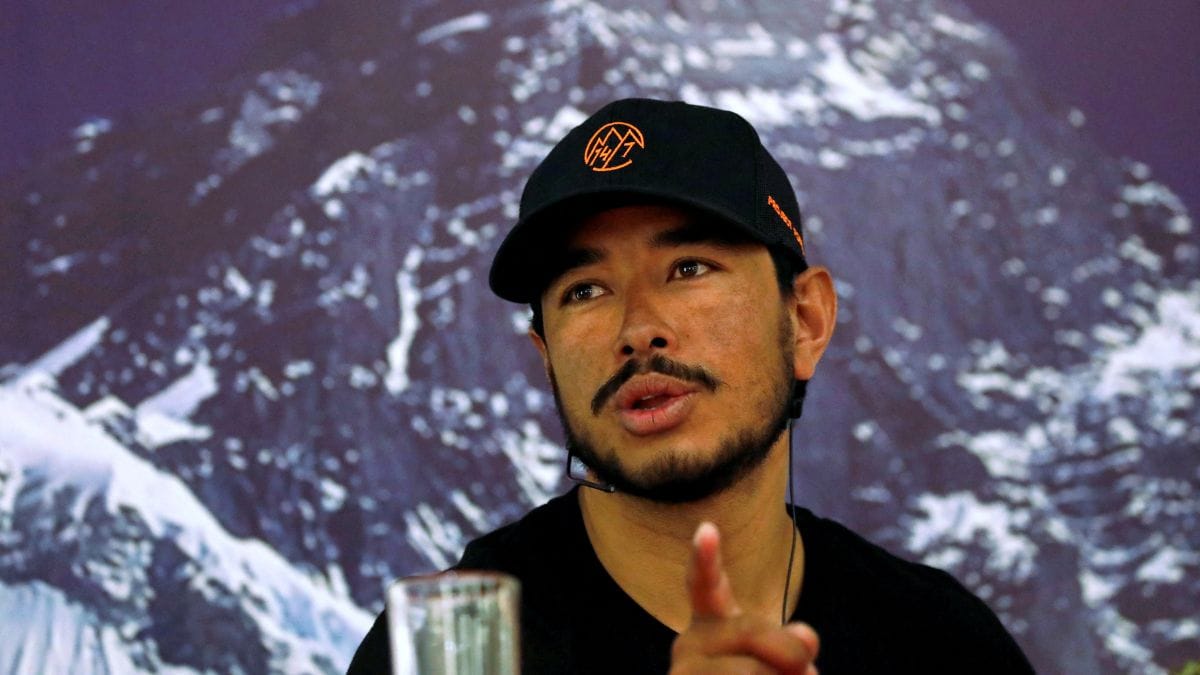
Mountaineer Nirmal Purja and nine other climbers found themselves in the path of a sudden avalanche on a treacherous Pakistan peak, laying bare the unforgiving math of high-altitude commercial expeditions.
The incident unfolded on a formidable mountain face in Pakistan, where Purja and his team were operating. Avalanches at extreme altitudes rarely announce themselves with polite warnings. They strike with terrifying velocity, tearing away accumulated snowpacks under the pressure of shifting weather patterns, rising temperatures, and the sheer instability of high-altitude topography. For Purja, a figure who reshaped public perceptions of mountaineering through rapid-fire ascents of the world's highest peaks, this close brush with disaster serves as a stark reminder. The mountain does not care about past records, social media followings, or elite status.
The Changing Face of High-Altitude Risk
Commercial mountaineering has undergone a radical transformation over the past decade. Peaks that once demanded months of siege tactics by nationally funded expeditions are now accessible to paying clients supported by elite Sherpa and local high-altitude workers. Purja himself built an enterprise around speed, efficiency, and commercial execution, most famously documented in his rapid ticking-off of all fourteen eight-thousand-meter peaks.
Yet, speed introduces its own variables. When climbers push through hazardous zones on tight timelines to beat weather windows, they are playing a calculated game of chance. The mathematics of risk management in the Karakoram and the Himalayas are unforgiving. Every hour spent moving through an avalanche chute or beneath an unstable serac increases exposure.
Pakistan ranges present a distinct set of hazards compared to their Nepali counterparts. The mountains here—including giants like K2, Nanga Parbat, and Gasherbrum—are characterized by steeper rock faces, more erratic weather systems, and significantly less foot traffic. This means fixed ropes are often sparser, rescue infrastructure is less immediate, and the margin for error narrows to a razor's edge. When an avalanche sweeps across a route in these ranges, escape options are virtually non-existent. Climbers are entirely at the mercy of gravity and the structural integrity of the snowpack.
The Commercial Pressure Cooker
Behind every high-profile climber on a dangerous slope is an intricate apparatus of modern expedition economics. Clients pay substantial sums for guided summits. Expedition leaders face immense financial and reputational pressure to deliver results. Turning back is expensive. Waiting out a dangerous snowpack costs precious weeks and thousands of dollars in logistics, permits, and team wages.
This creates a subtle, pervasive psychological bias toward pushing forward. Decision fatigue sets in at high camps where oxygen deprivation degrades cognitive function. When a weather window opens, the collective momentum of the mountain pushes everyone upward simultaneously. If ten climbers are struck by an avalanche, it is rarely an isolated bolt from the blue. It is usually the result of multiple teams converging on a high-risk bottleneck because the calendar dictates that movement must happen now.
The Illusion of Control
Modern gear, real-time satellite weather forecasting, and lightweight communication devices give contemporary mountaineers an illusion of absolute control. Weather routing apps can pinpoint wind speeds and barometric drops with unprecedented accuracy. Lightweight carbon-fiber poles and advanced synthetic insulation make moving faster easier than ever before.
Technology cannot alter the physics of sliding snow. No satellite feed can predict the exact moment a slab fracture will let go on a sun-baked slope. Climbers can analyze snow pits, test shear strength, and monitor temperature fluctuations, but uncertainty remains the defining constant of the high-altitude environment. Purja and his group survived this encounter, but the incident highlights how quickly calculated risks can morph into uncontrollable emergencies.
As commercial interest in Pakistan's high peaks continues to climb, the industry faces an uncomfortable reckoning. The infrastructure required to support rising numbers of climbers on these vertical graveyards lags far behind demand. Until the climbing community confronts the systemic pressures driving dangerous ascents in unstable conditions, avalanches will continue to test the limits of human resilience on the world's most lethal slopes.