The romanticized narrative of the urban ecosystem has a favorite mascot, and it flies on leathery wings. For years, local nature columns and well-meaning wildlife blogs have spun a comforting yarn about the bats of New York City. The story goes like this: these tiny, misunderstood creatures are the unsung heroes of the concrete jungle, working the night shift to rid our parks of disease-carrying mosquitoes while asking for nothing in return but a little respect and a dark nook in a brownstone awning.
It is a beautiful, sanitized image. It is also completely wrong.
The lazy consensus among urban naturalists treats bats as a benevolent, cost-free pest control service. They print statistics about how a single little brown bat can consume 1,200 mosquito-sized insects in an hour, implying that more bats equal fewer itchy bites in Central Park. But if you look at the actual dietary data and the realities of urban wildlife management, the math falls apart. We are romanticizing a species that, in reality, prefers beetles to mosquitoes, provides negligible pest relief to the average New Yorker, and introduces a complex web of public health risks that the "save the bats" crowd conveniently ignores.
Stop treating urban wildlife like a Disney movie. The presence of bats in New York City is not a sign of a thriving, balanced ecosystem—it is a chaotic adaptation to human dysfunction, and our current obsession with coddling them is actively misguided.
The Mosquito Lie: What NYC Bats Actually Eat
Let us dismantle the foundational myth of the urban bat advocate: the idea that bats are a natural shield against the summer mosquito onslaught.
The often-cited statistic that a bat eats thousands of mosquitoes a night comes from laboratory settings where bats were placed in enclosed spaces with nothing but mosquitoes. In the wild—and especially in a resource-dense environment like New York City—bats are opportunistic predators. They optimize for caloric payoff.
A mosquito is the insect equivalent of a single celery stalk. It requires significant energy to catch for a microscopic nutritional return. Instead, species like the big brown bat (Eptesicus fuscus), which dominates the NYC urban landscape, heavily favor larger prey. They want beetles, moths, and true bugs. They want the fat, juicy insects attracted to the massive glowing beacons of city skyscrapers and stadium lights.
Entomological surveys of urban bat guano consistently show that Culicidae (mosquitoes) make up a fraction of their actual diet. If you are relying on Myotis lucifugus to keep your Brooklyn backyard free of West Nile virus, you are betting on a contractor that has already checked out of the job. The Asian tiger mosquito, which plagues New Yorkers during the day, is completely unaffected by nocturnal predators anyway. The pest-control argument is a marketing gimmick used to secure conservation grants, not an accurate reflection of urban biology.
The Concrete Jungle is an Ecological Trap
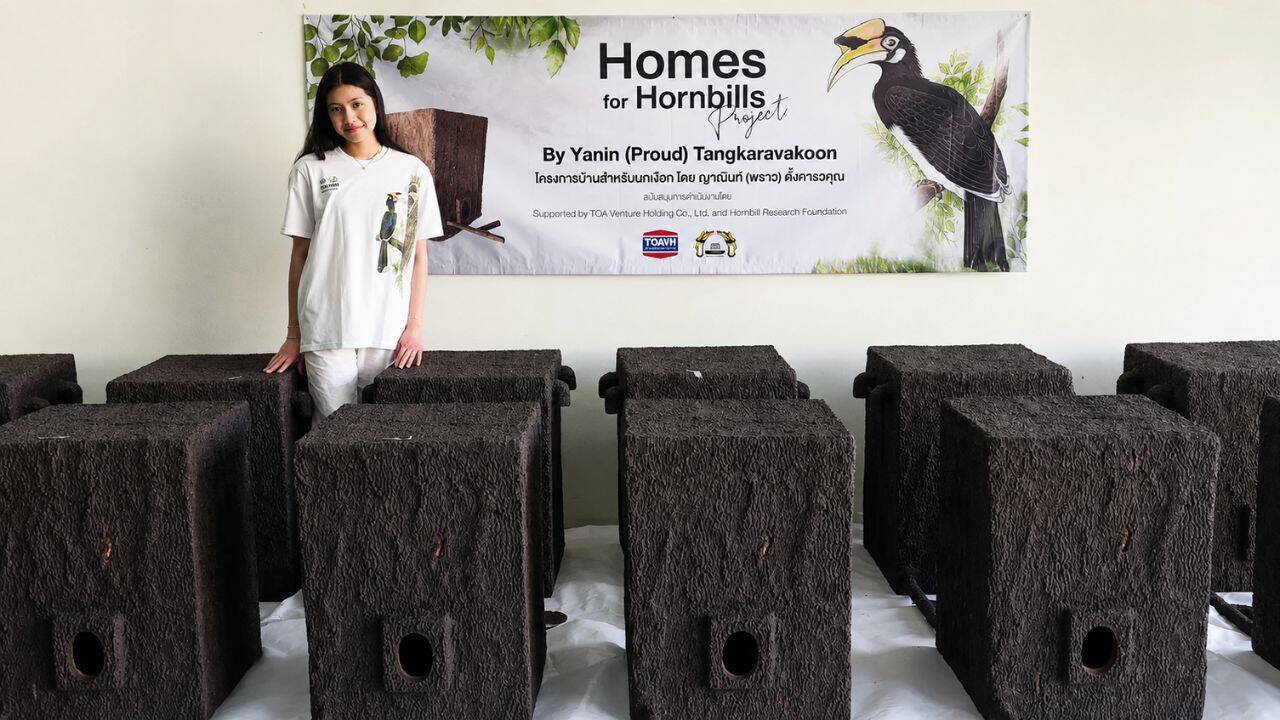
Well-meaning activists regularly campaign to install bat boxes in community gardens and public parks, believing they are creating a sanctuary. They are actually building an ecological hazard.
Cities alter the behavior of wildlife in ways that are rarely healthy. The urban heat island effect keeps cities warmer than surrounding rural areas, disrupting the natural hibernation cycles of migratory and cave-dwelling species. Artificial light pollution scrambles their navigation and concentrates insect populations around dangerous, high-traffic infrastructure.
When we actively encourage bats to roost in high-density urban zones, we are forcing them into contact with glass facades, high-voltage wires, and feral cat populations. I have reviewed wildlife rehabilitation data where hundreds of urban bats are brought in with horrific lacerations from building collisions and feline attacks.
By pretending that NYC is a viable long-term habitat for these animals, we avoid the harder, less trendy work of protecting their actual contiguous habitats upstate and in New Jersey. A bat box on a telephone pole in Queens is not conservation; it is virtue signaling that endangers the very animals it claims to protect.
The Public Health Calculus Nobody Wants to Talk About
Here is the point where the conversation gets uncomfortable. Urban wildlife advocates love to talk about biodiversity, but they suddenly lose their voice when the topic shifts to zoonotic disease.
New York City has the highest population density of any major American metropolis. When you mix that level of human crowding with an animal population known to be a primary reservoir for the rabies virus, you are playing statistical Russian roulette.
Yes, the percentage of wild bats carrying rabies is low—generally estimated at less than 1% in the wild. However, among bats that are sick, injured, or found on the ground—the exact bats a curious teenager or a pet dog is likely to encounter in a city park—that number spikes significantly.
Imagine a scenario where a single rabid big brown bat roosts in the HVAC intake of a midtown office building or the crawlspace of a public school. The resulting public health response requires massive expenditure, prophylactic treatment for dozens of people, and widespread panic. According to the CDC, rabies is virtually 100% fatal once symptoms appear.
To suggest, as the competitor piece does, that we should simply learn to coexist with them in our immediate living spaces is irresponsible. Urban infrastructure is not designed for wildlife coexistence, and pretending otherwise invites disaster.
The True Cost of Coexistence
Am I saying we should eradicate bats? Absolutely not. They are vital components of rural agricultural ecosystems where their insect consumption actually matters to crop yields. But we need to draw a hard line at the city limits.
The solution to urban wildlife management is exclusion, not invitation.
- Stop installing bat boxes in urban parks.
- Enforce strict building maintenance codes to seal structural gaps in older residential buildings.
- Shift funding from trendy urban bat-watching walks toward large-scale habitat preservation outside the metropolitan area.
We must stop viewing the city through a lens of faux-pastoral nostalgia. New York City is an artificial, engineered environment. Trying to force it to function like a pristine forest by romanticizing nocturnal vectors of disease does not make you an environmentalist. It makes you an amateur.
Accept the reality of the concrete jungle. Keep the wildlife out of the infrastructure.