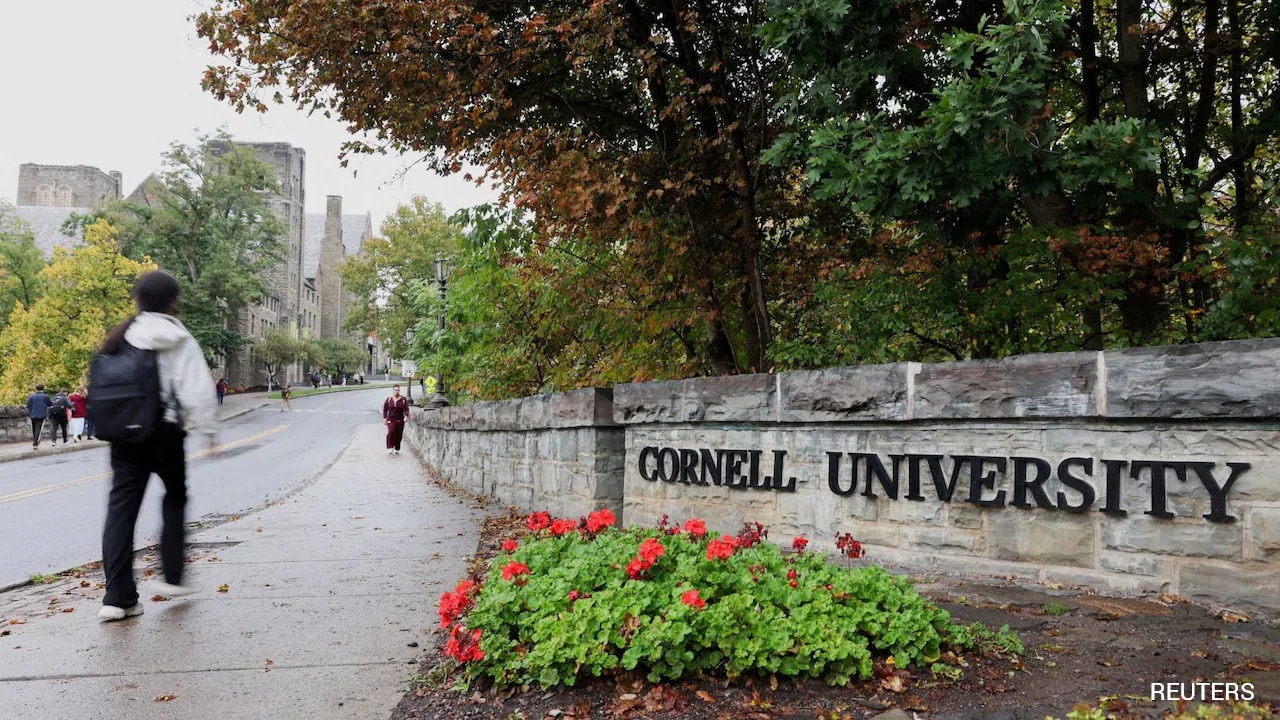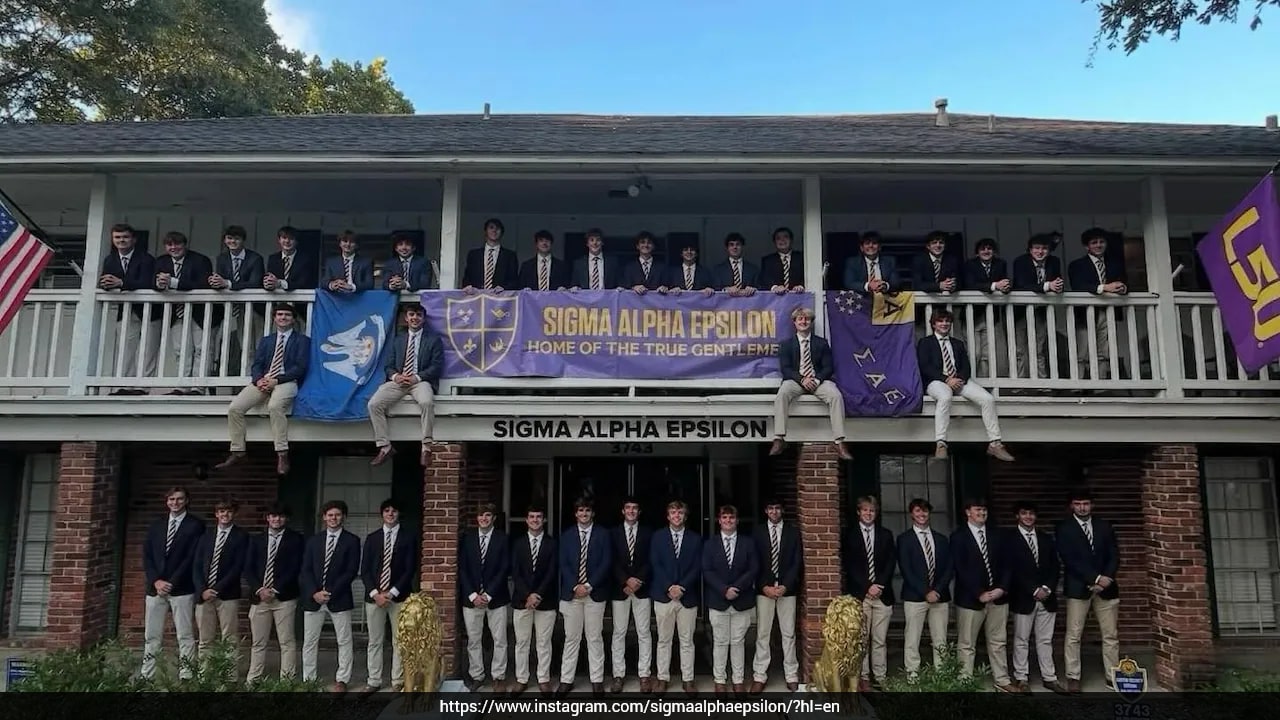
Two men caught on fire. A crowd cheered. Someone hit record, posted the clip online, and within hours, The Ohio State University suspended its Sigma Alpha Epsilon chapter.
That's the brutal reality of modern campus life, where reckless behavior doesn't just stay behind closed doors anymore. When a video showing two men engulfed in flames at an off-campus gathering near the Columbus campus went viral, university officials didn't wait around for the dust to settle. They placed the Ohio State Sigma Alpha Epsilon fraternity on interim suspension immediately, halting all chapter activities while administrators and local authorities sorted through the wreckage.
If you're trying to understand how a college stunt turned into an instant university investigation, or why Greek life suspensions happen so fast when social media gets involved, you need to look beyond the shock value of the video itself. The footage was horrifying. Yet the administrative hammer that followed reveals a lot about campus liability, fraternity accountability, and how universities handle viral crises.
What Actually Happened in the Viral Video
Let's stick strictly to what the public footage and university statements confirmed.
The clip, which spread rapidly across social media platforms, showed two young men at a crowded outdoor gathering near Ohio State's campus. At least one of the men had what appeared to be flammable liquid involved in a stunt gone terribly wrong. Flames suddenly erupted across both individuals, sending people scrambling as the fire spread across their clothing and skin before bystanders rushed in to put it out.
It wasn't a controlled performance. It wasn't a harmless prank. It was pure chaos caught in high definition.
Soon after the footage circulated online, Ohio State confirmed that the incident was linked to members of the Sigma Alpha Epsilon (SAE) chapter. University spokesperson Ben Johnson issued statements confirming that the chapter had been placed on interim suspension. Under Ohio State's Code of Student Conduct and Sorority and Fraternity Life policies, an interim suspension is an emergency measure. It freezes everything. The fraternity can't hold recruitment events, host social gatherings, participate in intramurals, or operate as a recognized student organization while the investigation runs its course.
Columbus Division of Fire and local police also responded to reports connected to the incident, highlighting a critical distinction many students miss. Even when a fraternity house sits off-campus—like most Greek properties in the University District around East 15th Avenue and Indianola—students don't get a free pass from university discipline.
Why Universities Move So Fast on Interim Suspensions
People often assume a suspension means the university has already finished its investigation and handed down a final verdict. That's backwards.
In higher education administration, an interim suspension is basically a pause button slammed down in an emergency. Universities don't wait six weeks for witness interviews and medical reports when video evidence shows severe bodily harm. They act first to stop any ongoing risk, then build the formal case afterward.
Here is why Ohio State and similar institutions react within hours rather than days:
- Immediate threat to health and safety: Under student conduct codes, administrators have explicit authority to suspend an organization immediately if its activities pose a direct danger to students or the surrounding community. Fire stunts easily cross that line.
- Preserving evidence and preventing retaliation: When a chapter stays active during an investigation, group chats get deleted, stories get coordinated, and younger members feel pressured to stay quiet. Freezing chapter operations cuts off official meetings and signals that obstruction will make things worse.
- Public and institutional pressure: Once a video hits millions of views, university presidents, boards of trustees, and parents start demanding answers. Leaving a chapter active while footage of burning students circulates online is a public relations and legal nightmare no major university will tolerate.
- National headquarters involvement: In almost every high-profile fraternity incident, the national organization steps in alongside the university. Sigma Alpha Epsilon's national headquarters has historically moved quickly to issue cease-and-desist orders or temporary suspensions to protect its own insurance coverage and national charter status.
Honest truth? By the time a video reaches local news desks in Columbus, the fraternity's fate for the rest of the semester is usually sealed.
The Myth of "Off-Campus" Immunity
Ask almost any college freshman what happens when a party moves off university property, and you'll hear the same confident myth. They think stepping across High Street into a privately owned house puts them outside the university's reach.
They're dead wrong.
Ohio State's Code of Student Conduct explicitly applies to off-campus behavior whenever the conduct adversely affects the university community or involves a registered student organization. That rule isn't unique to Columbus. Almost every public and private university in the United States enforces off-campus jurisdiction, especially for fraternities and sororities.
Think about why that matters. Greek organizations rely on university recognition for legitimacy, campus event access, Homecoming participation, and official recruitment pipelines. Even if a chapter rents or owns a private house off-campus, its status as an active fraternity depends entirely on university approval. When members light themselves on fire at a chapter-associated gathering, the university treats it as an organizational safety failure, not a private house party gone sideways.
I've seen student leaders try to argue semantics during conduct hearings—claiming an event wasn't "officially on the chapter calendar" or that "only a few guys were involved." Conduct boards rarely buy that defense anymore. If the gathering happened at a known fraternity property, involved multiple active members, and drew a crowd of chapter affiliates, administrators hold the organization accountable for the environment it created.
How Viral Social Media Changed Greek Life Accountability
Ten years ago, a dangerous stunt at a college party might have ended with a quiet trip to the emergency room and a vague rumor on campus Monday morning. Unless someone called 911 and filed a detailed police report, university administrators often never found out.
Smartphones killed that secrecy permanently.
Today, every party has dozens of cameras rolling at once. Nobody pauses to ask whether filming someone pouring accelerant on themselves is a bad idea—they just hit record to post on TikTok, Instagram, or X before the smoke even clears.
That instant documentation changes everything for student conduct investigators:
- Zero deniability: Administrators don't have to rely on conflicting eyewitness memories when the entire incident is captured on video from three angles.
- Timestamped timelines: Social media metadata and uploads help investigators establish exactly when the incident occurred, who was standing nearby, and whether anyone attempted to stop it.
- Rapid escalation: A clip uploaded at 2:00 AM can reach university leadership by 7:00 AM, forcing an immediate administrative response before the chapter even wakes up.
It's a strange paradox. The exact same social media clout that motivates students to pull reckless stunts is what hands university investigators the evidence needed to shut their organizations down.
The Real History Behind Fraternity Risk and Campus Crackdowns
To understand why Ohio State reacted with zero tolerance, you have to look at the broader context of Greek life oversight at major Big Ten universities.
Ohio State has one of the largest Greek communities in the country, with dozens of fraternities and sororities operating in the University District. Over the past decade, the university has repeatedly tightened its oversight of Greek chapters following high-profile incidents involving hazing, alcohol poisoning, and dangerous social events. In fact, Ohio State famously placed a temporary moratorium on all fraternity social events and recruitment back in 2017 to overhaul safety standards, training, and accountability rules.
Sigma Alpha Epsilon as a national organization has also faced intense scrutiny over the years. In 2014, SAE's national headquarters made national headlines when it announced the elimination of its traditional pledging process nationwide in response to repeated hazing and safety controversies across multiple campuses.
When a chapter with a long national history of risk-management scrutiny shows up in a viral video involving literal flames, administrators don't view it as an isolated fluke. They view it as a red flag that chapter leadership lost control of basic safety standards.
What Happens During an Ohio State Student Conduct Investigation
When a fraternity lands on interim suspension at Ohio State, a structured—and exhausting—investigative process kicks off behind the scenes. Most people outside higher education never see how these cases actually unfold.
First, the Office of Student Life and Student Conduct gathers all available digital evidence. That includes social media videos, police or fire department incident reports, and any hospital or EMS records if emergency responders were called to the scene.
Next, investigators summon chapter officers and identifiable witnesses for individual interviews. Here's where many students dig themselves into a deeper hole. Lying to a student conduct officer or coordinating false stories violates the Code of Student Conduct on its own. Even students who didn't light the match can face individual disciplinary charges if they facilitated the stunt, supplied hazardous materials, or obstructed the investigation.
Once the fact-finding phase wraps up, the university decides whether to pursue formal organizational charges. Potential outcomes range from extended probation and mandatory risk-management restructuring to revocation of registration—the administrative death penalty that strips a fraternity of its official campus status for years.
At the same time, the national fraternity conducts its own parallel review. Even if a university eventually lifts a suspension, a national headquarters can revoke a local chapter's charter independently, leaving members without insurance, national support, or legal authority to use the fraternity's letters.
What Students and Student Leaders Need to Do Differently
If you're an officer in a campus organization, a fraternity member, or just someone trying to avoid a life-altering mistake in college, the lessons from this incident aren't complicated—they're just ignored until something goes wrong.
- Kill reckless stunts before they start: Peer pressure makes people freeze when someone pulls out lighter fluid, fireworks, or rooftop ladders at a party. Step in immediately. Taking five seconds to shut down a bad idea beats spending two years dealing with burn scars, lawsuits, or expulsion.
- Stop treating "unregistered" events as safe zones: If your members host it at a chapter house or promote it in group chats, the university considers it your event. Enforce the exact same safety rules at informal gatherings as you do at registered socials.
- Know emergency response protocols: When someone gets injured, call 911 immediately instead of worrying about getting in trouble. Ohio has medical amnesty laws protecting callers in alcohol and drug emergencies, and delaying medical care for severe burns causes permanent tissue damage.
- Audit your chapter's risk culture honestly: Most dangerous incidents happen after months of smaller rule-breaking going unchecked. If nobody enforces basic rules on property safety and guest management, an out-of-control stunt is only a matter of time.
Viral videos fade from social media feeds within a week, replaced by whatever outrage trends next. Burn injuries, criminal records, and revoked university charters stick around for years. When campus administrators see two students engulfed in flames on a phone screen, they aren't thinking about chapter traditions or second chances—they're shutting the doors before anyone gets killed.