Power usually wins. When a billion-dollar institution with an army of real estate lawyers and political connections sets its sights on a patch of dirt, the outcome tends to be depressingly predictable. Bulldozers roll, checks clear, and history gets paved over for another parking garage or expansion wing.
Yet every once in a while, the machinery stalls.
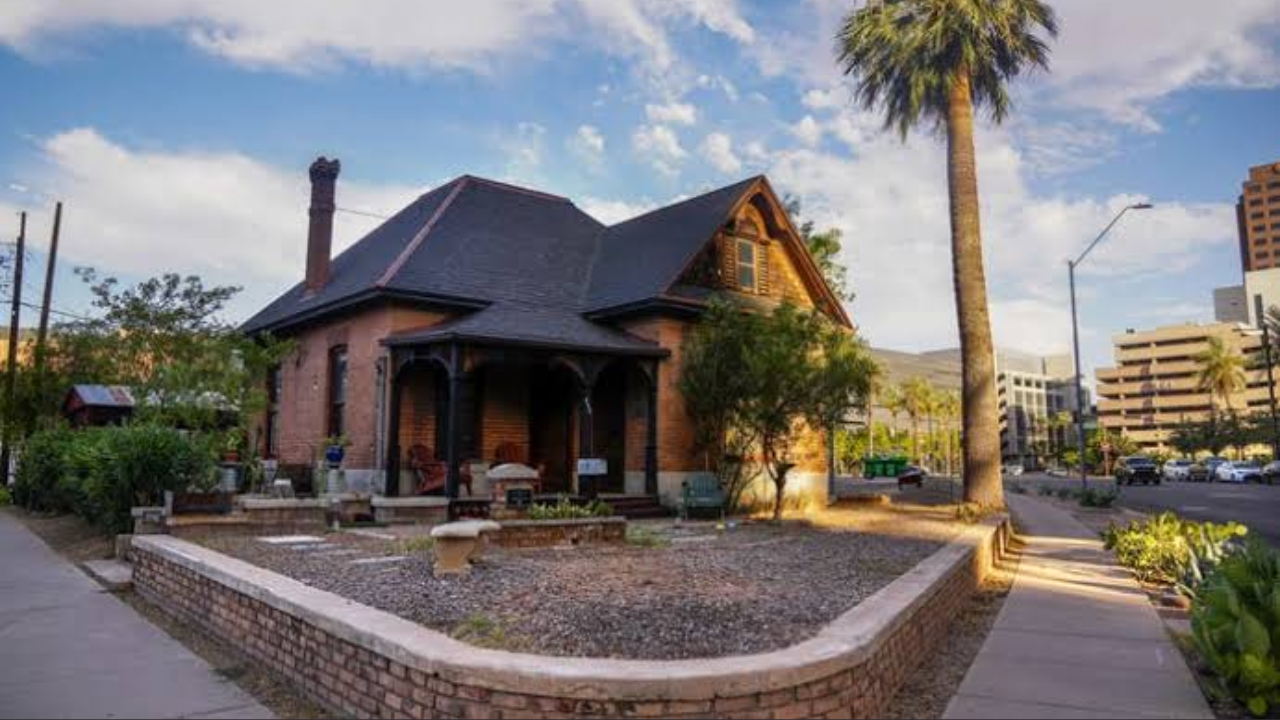
Randy Stratton did not set out to become a symbol of resistance against institutional overreach. He simply wanted to stay in the Phoenix home he had occupied for half a century. When Arizona State University targeted his property through eminent domain proceedings to clear the way for campus development, they assumed routine legal pressure would force compliance. They miscalculated. A fierce wave of public backlash erupted, exposing the aggressive land-grabbing tactics frequently deployed by expanding universities under the guise of public utility.
Eminent domain was originally designed for roads, bridges, and genuine public infrastructure. Over the past several decades, the doctrine has drifted far from its constitutional roots. Municipalities and state-funded entities routinely weaponize the tool for economic development, corporate handouts, and academic expansion. When universities acquire real estate to build dormitories, research centers, or athletic facilities, they claim a public benefit. But to the property owner whose life, memories, and equity are bulldozed, the distinction between public good and institutional land hoarding vanishes.
The battle lines in Phoenix laid bare the friction points of modern urban growth. Universities are no longer quiet ivory towers. They operate as aggressive corporate conglomerates, buying up adjacent neighborhoods, inflating local property values, and displacing long-term residents. When institutions push into residential zones, they trigger a displacement cascade. Working-class and middle-class families lose generational stability. Neighborhood fabric frays.
Stratton's defense wasn't built on a massive war chest or high-powered political lobbying. It survived on public visibility and the sheer absurdity of using government-backed condemnation to uproot an elderly resident from a fifty-one-year sanctuary. Social media outrage amplified local news coverage. State legislators suddenly found themselves answering difficult constituent questions about why public funds were subsidizing real estate acquisitions that trampled private property rights.
Faced with mounting reputational damage and the prospect of a protracted, ugly public relations disaster, Arizona State University quietly backed down. The eminent domain case vanished. The house stayed.
Yet this victory remains an anomaly. For every headline-grabbing David and Goliath story where the homeowner keeps the keys, dozens of property owners quietly fold under legal pressure. They lack the stamina or the financial runway to fight a state-backed institution in court. They take the buyout offer, pack their belongings, and watch their former homes turn into concrete plazas.
The episode serves as an uncomfortable mirror for urban planners and university administrators across the country. Expansion cannot operate as a blank check. When public institutions treat established neighborhoods as mere inventory waiting to be acquired, they erode the very community trust they claim to serve. Property rights are supposed to be a bulwark against arbitrary power. When the state can seize a home to build a better campus building, that bulwark looks dangerously thin.
The house on Phoenix stands as a quiet testament to what happens when public pressure manages to pierce the armor of institutional entitlement. It is a rare crack in the foundation of modern eminent domain abuse.
The bulldozers retreated this time. The question is how long they will stay parked.