Command Post Relocation Dynamics in Search and Rescue Operations
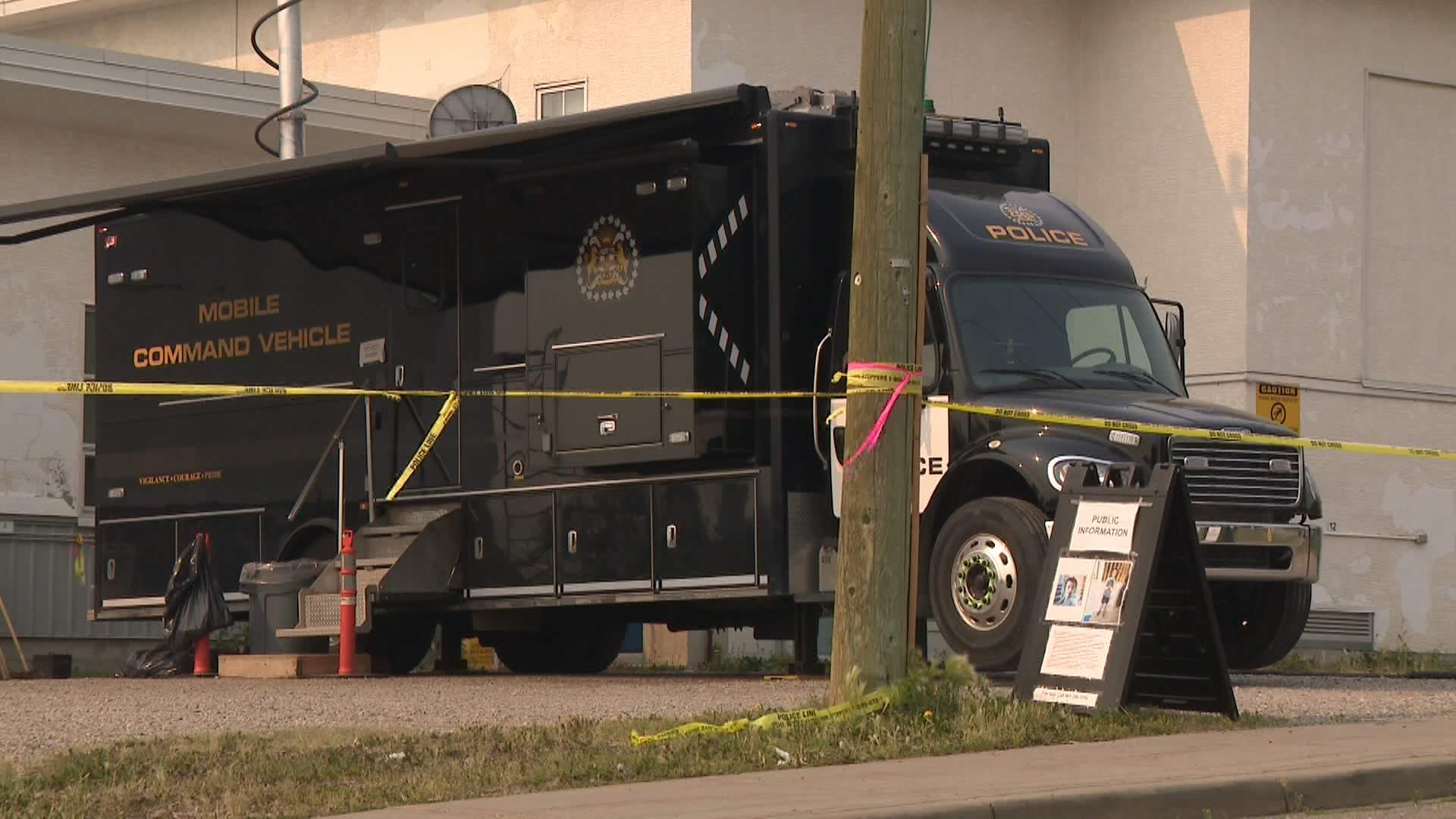
Urban Search and Rescue (USAR) operations for missing individuals rely on a dynamic distribution of resources dictated by time-decay probability models and investigative leads. When police authorities shift a Incident Command Post (ICP), the move reflects a structural pivot in operational strategy rather than a simple change in location. The efficiency of a search operation depends directly on aligning the physical footprint of command infrastructure with the highest probability areas of detection.
A command post serves as the central node for tactical decisions, resource allocation, and intelligence convergence. In missing person cases, particularly those involving minors, the initial search area expands geographically over time. However, operational effectiveness degrades if command staff are physically separated from the active search perimeter. Relocating an ICP solves three specific operational bottlenecks: signal latency, tactical transit time, and localized inter-agency coordination.
The Spatial-Temporal Framework of Urban Search Operations
The search strategy in missing person cases relies on two fundamental metrics: Probability of Area (POA) and Probability of Detection (POD).
Total Search Effectiveness = POA x POD
When an operation begins, the initial POA centers on the Point Last Seen (PLS) or Last Known Point (LKP). As time elapses without a successful find, the theoretical search area expands radially, calculated using standard dispersion models based on terrain, mobility factors, and subject profile.
Probability Dispersion Mechanics
- The Immediate Zone (0-500 meters): High-density physical searching using canine units, grid-search teams, and direct visual inspection.
- The Secondary Radius (500-2000 meters): Tactical vehicular patrols, canvas of digital surveillance assets, and neighborhood inquiries.
- The Extended Perimeter (2000+ meters): Mobile containment units, public alert networks, and regional agency notifications.
When search teams exhaust the immediate zone without finding a subject, police intelligence routinely re-evaluates the baseline parameters. If investigative leads or physical evidence suggest the subject moved beyond the initial perimeter, the calculated POA shifts toward a new geographic focus. Maintaining an ICP at the original PLS creates operational friction.
Tactical Triggers for Command Post Relocation
Relocating an operational command center introduces temporary logistical latency. Incident commanders execute a move only when specific operational thresholds are met.
+-------------------------------------------------------------------+
|                  Tactical Shift Decision Tree                     |
+-------------------------------------------------------------------+
                                  |
                                  v
                  [ Critical Intelligence Received ]
                                  |
            +---------------------+---------------------+
            |                                           |
            v                                           v
[ New Physical Evidence Found ]             [ PLS Exhausted / Negative Result ]
            |                                           |
            +---------------------+---------------------+
                                  |
                                  v
             [ Calculate Distance Delta to New Priority Area ]
                                  |
            +---------------------+---------------------+
            |                                           |
    ( Delta < Threshold )                       ( Delta > Threshold )
            |                                           |
            v                                           v
[ Maintain Existing Command Post ]          [ Execute ICP Relocation Protocol ]
1. Intelligence Re-Centering
The discovery of confirmed physical evidence—such as discarded personal effects, verified video surveillance footage, or credible eyewitness accounts—instantly shifts the geographic focus of the investigation. The new location becomes the functional anchor for subsequent containment and grid searches.
2. Operational Distance and Transit Time Reduction
Search operations degrade when field teams expend excessive energy and time transiting between the command structure and their assigned grid sectors. Positioned too far from active search sectors, field logistics suffer:
- Canine handlers experience reduced deployment times due to transport fatigue.
- Battery rotation for radio units and specialized search equipment becomes inefficient.
- Direct handoffs of potential physical evidence face extended transport delays.
3. Communications Infrastructure Optimization
Urban topology presents major radio frequency (RF) challenges. Structure density, concrete construction, and topographical variations degrade line-of-sight communications. Shifting the command post—and its associated mobile repeater arrays—to higher ground or closer proximity to active grids ensures uninterrupted radio coverage across all tactical channels.
Systemic Trade-Offs in Mobile Search Asset Deployment
Executing a command post shift requires a calculated trade-off between continuity and strategic realignment. During the transition phase, operational capacity briefly drops.
| Phase | Operational Status | Risk Profile | Mitigating Strategy |
|---|---|---|---|
| Site Selection | Active searching continues from primary grid. Advance team scouts new site. | Resource fragmentation. | Maintain primary radio channel continuity via backup command vehicle. |
| Logistical Transition | Main command vehicle teardown and transit. | Temporary communication latency. | Transfer primary dispatch authority to municipal headquarters temporarily. |
| Re-establishment | Systems reboot, mapping software sync, field team re-briefing. | Information bottleneck during queue catch-up. | Stagger field team rotations to prevent search pauses. |
The primary constraint during a relocation is ensuring that active search units remain monitored without interruption. Command teams achieve this by delegating temporary channel monitoring to a secondary mobile unit or local dispatch until the primary ICP resumes full operational status at the new site.
Integration of Public Intelligence and Field Logistics
A critical function of an urban missing person search is managing the inflow of tips and public intelligence. As public notifications distribute across media and digital channels, the volume of reported sightings increases rapidly.
The command post acts as the primary triage filter for this data:
- Ingestion: Public tips arrive via hotline, direct reporting, or field officer interactions.
- Verification: Intelligence officers cross-reference tips against known surveillance feeds, timeline constraints, and subject behavioral patterns.
- Deployment: Verified high-priority tips generate targeted "hasty searches"—rapid response deployments designed to check high-value locations immediately.
Relocating the command post closer to a high-density area of verified tips streamlines the cycle time between tip verification and boots-on-the-ground deployment. Reducing this turnaround time is often the critical variable in time-sensitive missing person recoveries.
Strategic Implementation Framework
When managing large-scale urban search operations with evolving geographic parameters, incident commanders must enforce a structured operational cadence:
- Establish clear quantitative metrics for when an area is considered fully searched (e.g., 100% visual inspection of open ground, verified clearance of structures by dual-person teams).
- Maintain a forward-deployed mobile communications vehicle capable of assuming temporary radio control during main ICP moves.
- Pre-identify potential alternative command sites (e.g., municipal buildings, large parking structures, community centers) within secondary and tertiary search zones early in the operation.
- Decouple physical search operations from administrative processing to ensure intelligence analysis continues uninterrupted during site relocations.
The decision to shift a command post represents an active strategic alignment designed to maximize the Probability of Detection while reducing operational friction in critical search zones.