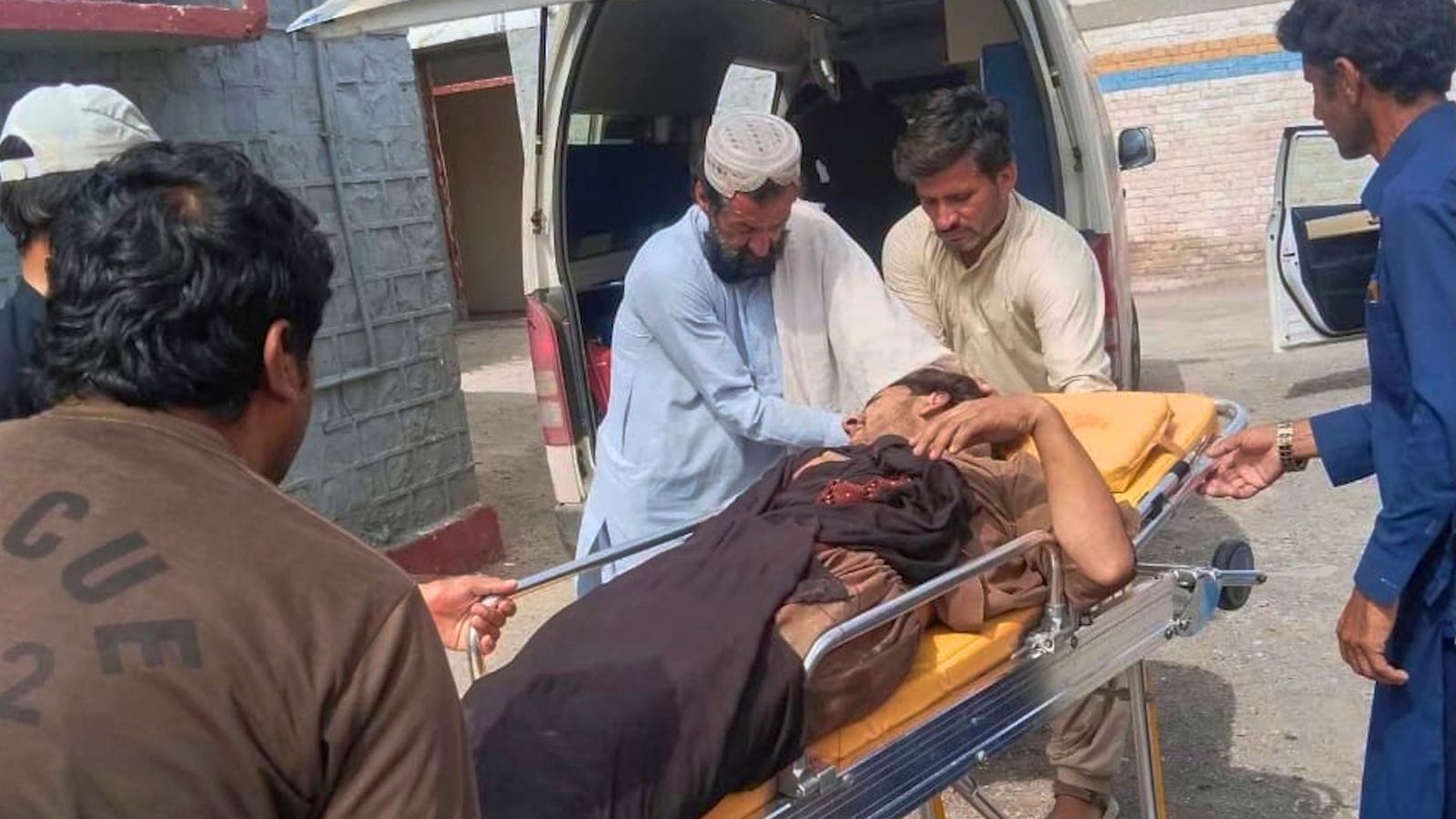
Forty people are dead because of a mid-journey choice and a sudden burst of anger. On Friday, July 3, 2026, an overcrowded passenger bus lost control and plunged 80 feet into a jagged ravine in Dana Sar, a remote mountainous slice of land slicing between Balochistan and Khyber Pakhtunkhwa provinces.
While initial reports focused on the brutal geography of the Sherani-Zhob highway, surviving passengers recount a much more volatile reality inside the vehicle. The tragedy highlights a toxic mix of commercial greed, zero regulatory oversight, and a shocking lack of structural safety on Pakistan’s high-risk transit corridors.
The Dana Sar Disaster
The vehicle departed from Quetta on Thursday evening with 36 passengers on board, heading toward Peshawar. Under normal circumstances, the journey is already treacherous. The highway winds through high-altitude passes lacking basic safety barriers or guardrails.
The real trouble started midway. The driver spotted another passenger coach broken down on the shoulder. Seeking extra fares, the operator packed the stranded travelers into an already full vehicle, pushing the total headcount to 48.
According to emergency responders from the Medical Emergency Response Centre, the bus was speeding to make up for lost time when things turned chaotic inside the cabin. A survivor, speaking from a hospital bed in Zhob, revealed that a heated argument erupted over the sudden, suffocating overcrowding. The protest turned physical. One furious passenger allegedly lunged forward and grabbed the driver by the neck. Seconds later, the bus veered off the asphalt and tumbled into the rocky valley below.
Local police are currently investigating this claim, noting that while the physical fight remains an unverified survivor account, the excessive weight and high speed are undeniable factors.
Systematic Failures on Mountain Routes
Rescue workers from Rescue 1122 and the Frontier Corps faced an absolute nightmare. The bus dropped nearly 24 meters into a steep gorge. Teams had to use heavy cutting machinery to pull the dead and injured from the crushed metal shell.
Route: Quetta to Peshawar via Sherani-Zhob Highway
Total Passengers: 48 (Originally 36, plus 12 from a disabled coach)
Casualties: 40 Dead, 8 Injured
Drop Distance: 70 to 80 feet (approx. 24 meters)
The regional health infrastructure immediately buckled under the pressure. Sherani Deputy Commissioner Hazrat Wali Kakar stated that authorities had to declare a medical emergency across local trauma facilities in both Sherani and Dera Ismail Khan just to manage the influx of critical patients.
This isn't an isolated freak incident. Just two months ago, a similar collision in northwest Pakistan claimed 17 lives. The recurring theme across all these disasters is simple: Pakistan's transport sector operates on an honor system that nobody honors.
Operators routinely double-bunk passengers and ignore weight limits to maximize profit per run. Traffic police rarely monitor passenger manifests on inter-city mountain routes, and the state continues to leave high-altitude highways completely exposed without reinforced concrete dividers or steel barriers. When a driver loses control—whether from a mechanical blowout, a sudden heart attack, or a fistfight—there is absolutely nothing to stop a multi-ton vehicle from going over the edge.
Changing the Safety Status Quo
Government officials, including President Asif Ali Zardari and Balochistan Chief Minister Sarfraz Bugti, issued standard public condolences and promised the survivors premium medical care. But thoughts and prayers won't fix a broken regulatory system.
If you operate commercial transport or advise logistics networks in South Asia, relying on regional enforcement is a losing game. True structural safety requires immediate, aggressive changes at the institutional and corporate levels.
Enforce Rigid Manifest Checks at Provincial Checkpoints
Relying on highway patrol to catch overloaded buses mid-route is ineffective. Provincial borders, like the corridor between Balochistan and Khyber Pakhtunkhwa, must implement mandatory vehicle scaling and manifest checks. If the passenger count exceeds the chassis registration limit by even one person, the vehicle should be grounded immediately.
Install Impact-Absorbing Steel Barriers
The Dana Sar stretch is notoriously unforgiving. Mountain passes with drops exceeding 30 feet require immediate structural upgrades. High-tension cable barriers or reinforced steel guardrails won't stop every accident, but they turn a fatal 80-foot plunge into a survivable roadside collision.
Mandatory Cockpit Separation
Commercial buses in Pakistan allow passengers open, unrestricted access to the driver’s immediate workspace. If the survivor's account of a passenger grabbing the driver's neck is accurate, it shows how easily a personal dispute can turn into mass casualty events. Long-haul commercial coaches must implement physical floor-to-ceiling partitions separating the driving console from the passenger seating area to avoid interference during stressful transits.
The investigation in Sherani district will eventually wrap up, and the bodies of those from Khyber Pakhtunkhwa will be sent back to their hometowns via ambulance. But until transport authorities hold fleet owners criminally liable for overcrowding and force infrastructure upgrades on known killer highways, the next mountain transit disaster is just a matter of time.