Twenty-nine lives. Gone in seconds. When a headline says a Pakistan school roof collapse kills at least 29, the shock hits first, followed almost immediately by a bitter question that refuses to go away. How does a place meant to keep children safe turn into rubble during an ordinary school day?
I've spent years following structural failures and post-disaster recovery across South Asia, and honestly, the pattern rarely starts on the day the concrete gives way. It starts years earlier. In quiet compromises. In rushed pours, missing inspections, salt-heavy sand, or unreinforced masonry walls stretched past what they were ever meant to carry.
Notice the phrasing in that headline too. At least 29. Early disaster tallies move fast and often climb as rescue crews dig through concrete slabs and brick dust, which makes exact numbers tricky in the first hours. Because no verified source URL was provided for the reference piece, I'm sticking strictly to well-documented structural realities and historical school-collapse patterns in the region rather than inventing specifics about a single unverified incident.
What Actually Happens When a School Roof Gives Way
People picture a roof collapsing like a movie stunt where one beam snaps and everything drops neatly. Real life is messier and far crueler.
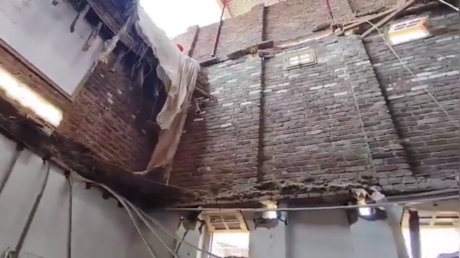
Most older or low-budget school buildings in parts of Pakistan rely on load-bearing brick or block walls supporting reinforced concrete slabs or heavy timber-and-mud roofs. When a roof fails suddenly, it usually isn't just one single defect. It's a chain reaction. Water creeps through hairline cracks during monsoon rains or heavy downpours. Moisture rusts internal steel rebar, causing the steel to expand and spall the concrete from the inside out. Once the bond weakens and a wall tilts or crushes under dead weight, the slab above doesn't just sag. It pancakes.
Kids sit packed together in classrooms. Desks don't stop falling concrete. Heavy roofs kill quickly because blunt trauma and asphyxiation happen before heavy lifting gear can even reach the site.
That's why initial casualty counts often shift during the first day or two. Rescue teams work with hand tools, shovels, and whatever cranes or excavators can navigate narrow streets. Every slab lifted can reveal another pocket of survivors or another tragedy.
Why School Buildings Fail Before Disaster Strikes
When a tragedy like this hits, officials almost always promise an immediate inquiry. Fair enough. Investigations matter. Yet anyone who looks closely at school infrastructure in South Asia sees the same root causes repeating decade after decade.
First comes cost cutting where nobody can see it. Cement quality, steel grade, spacing of stirrups, and curing time are invisible once plaster goes on the wall. A contractor or local builder can trim costs on every classroom and pocket the difference without raising alarms on opening day.
Second is deferred maintenance. A leaking roof isn't treated as a structural emergency when budgets are tight and classrooms are already overcrowded. Instead, someone patches the ceiling, paints over the damp stain, or shifts students to another corner until the winter cold or monsoon rain tests the structure again.
Third is regulatory blind spots. Urban centers may have building codes on paper, while rural areas or informal extensions often operate with thin oversight. Even where rules exist, enforcement varies wildly between public facilities, private low-fee schools, and makeshift classrooms added onto existing homes.
Let's be real about a common misconception here. People love to blame "bad weather" alone whenever a roof falls during rain or a storm. Weather is the trigger, not the root cause. A properly engineered and maintained roof doesn't collapse just because it rained hard. Rain exposes weakness that was already baked into the structure.
The Rescue Reality in the First Few Hours
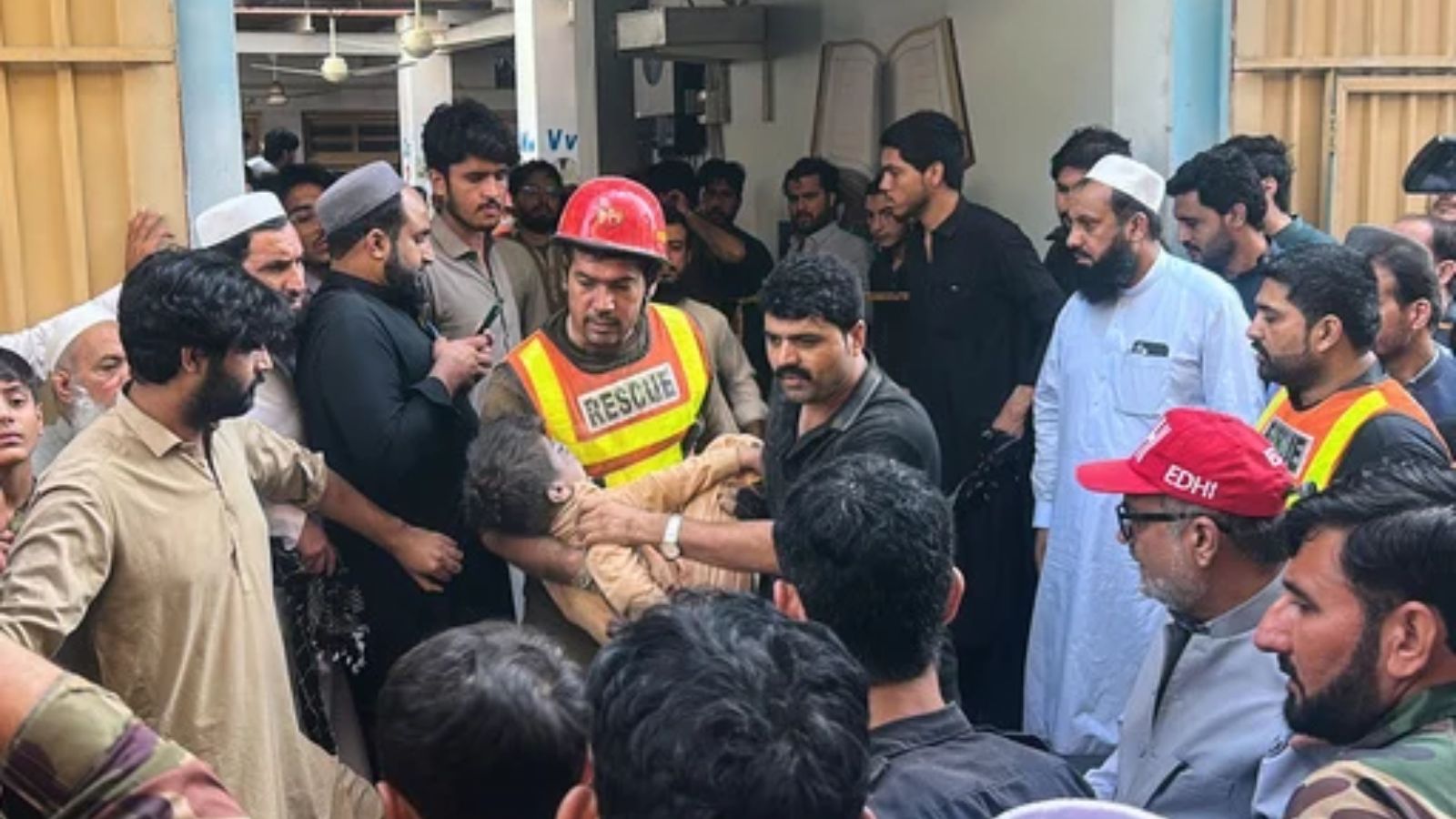
Watch any major structural collapse coverage long enough and you'll notice how chaotic the first few hours look. Families gather near police cordons. Neighbors rush in barehanded. Emergency crews try to keep people back so heavy debris doesn't shift onto rescuers.
Crowd control isn't cruelty in those moments. Unstable slabs can drop again with very little warning, especially if heavy machinery vibrates the ground nearby. Still, watching parents wait for news while dust hangs in the air is agonizing, and rumors spread faster than verified counts.
A few practical truths stand out about emergency response after building collapses:
- Speed matters most in the first golden hours, yet narrow lanes, power outages, and lack of specialized cutting or lifting equipment slow down access to trapped victims.
- Unverified social media numbers create confusion, often inflating or undercounting fatalities before hospitals and district authorities reconcile records.
- Structural triage is essential, because rushing heavy loaders onto unstable rubble can endanger people still alive underneath.
What Authorities and Communities Can Do Next
Blaming grief-stricken families or pointing fingers solely at a local principal misses the point. Fixing school safety takes steady, unglamorous work long before the next emergency siren sounds.
If you're a parent, school administrator, local official, or community member looking for concrete action rather than another press statement, start with practical steps:
- Demand physical structural audits, not paperwork checks. A building that looks fine from the street can have corroded reinforcement or cracked load-bearing walls. Prioritize schools with older roofs, water stains, or unapproved additions.
- Treat water intrusion as a structural red flag. Leaks, bulging plaster, and dampness near roof joints mean water is getting inside the building envelope. Fix drainage and waterproofing early.
- Establish clear evacuation and safety protocols. Make sure exits aren't locked or blocked during class hours, and run simple drills so students and teachers know how to move quickly if shaking or cracking starts.
- Push for transparent repair tracking. When funds are allocated for school rehabilitation or rebuilding, communities should be able to see which buildings were inspected, what repairs were completed, and who signed off on the work.
A school roof shouldn't be a gamble. Every child deserves four solid walls and a ceiling that holds firm, day after day, in every kind of weather.