The legal battle over the Panama Canal has escalated far beyond corporate balance sheets. When Panama Comptroller General Anel Flores announced that his office would hand over aggressive new audit material to prosecutors, the whole dispute shifted. This isn't just about multi-billion dollar arbitration claims anymore. It’s about criminal liability hitting individual regulators and corporate executives.
If you've been following the clash between global shipping interests, Washington, and Beijing, you know the stakes are massive. But the recent pivot toward criminal files changes the entire risk matrix for everyone involved. In similar developments, we also covered: Why the Taiwan Coast Guard is Playing a Dangerous Game with Water Cannons.
Beyond the Arbitration Tables
Most people look at this conflict through the lens of international trade and corporate arbitration. Hong Kong-based CK Hutchison Holdings launched treaty arbitration seeking massive payouts after the Supreme Court of Justice of Panama struck down their port concession contract as unconstitutional. Those claims run into billions. They make great headlines for financial desks.
Yet arbitration only targets money and state balance sheets. Criminal investigations hit people. BBC News has provided coverage on this critical subject in extensive detail.
The audit material compiled by Flores targets executives from the Panama Ports Company (PPC)—a subsidiary of CK Hutchison—alongside former board members of the Panama Maritime Authority (AMP) who approved the contentious 2021 concession extension. By dragging former regulators into the crosshairs, the comptroller's office is building a narrative of mutual complicity.
The Weight of the Evidence
Investigators didn't just write reports and hope for the best. Anti-corruption prosecutor Azael Samaniego's team raided PPC offices in Panama City, hauling away boxes of physical documents with the help of judicial authorities.
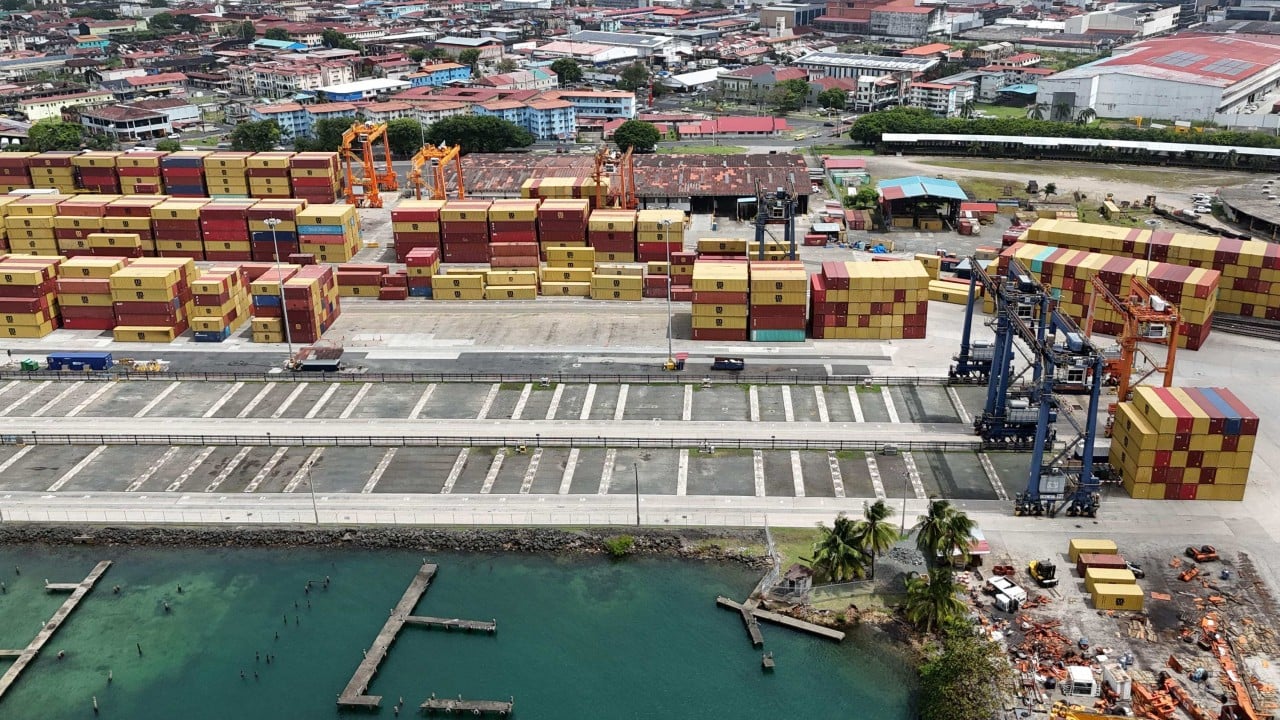
The underlying audits claim serious irregularities. Authorities allege unpaid fees, accounting errors, and ghost concessions operating within the Balboa and Cristóbal ports since 2015. Estimates bandied about by the comptroller's office point to hundreds of millions in losses following the 2021 extension, scaling up much higher over the original 25-year contract. PPC has repeatedly denied these allegations, pointing to massive investments totaling billions poured into the infrastructure since the late nineties.
Regardless of corporate pushback, the legal momentum is brutal. Look at what happened to former AMP administrator Noriel Antonio Araúz Villarreal. Authorities arrested him at Tocumen Airport under an anti-corruption prosecutor's order for alleged unjust enrichment after a comptroller audit flagged major discrepancies between his identified income and recorded transactions. That arrest proved the government isn't just targeting distant corporate entities; they are locking down individuals.
Geopolitical Pressures and Terminal Takeovers
You cannot separate these judicial moves from the wider geopolitical tug-of-war. Washington has made zero secret of its discomfort with a Hong Kong-based firm operating facilities at both ends of the Panama Canal. High-ranking US officials repeatedly flagged these concessions as an unacceptable strategic risk.
Meanwhile, Beijing and Panama have sparred over maritime tracking, inspections, and trade policies. Amid this friction, the local terminals at Balboa and Cristóbal saw interim takeovers and operational shifts, with major shipping lines stepping in while new tenders loom on the horizon.
When sovereign states clash over vital maritime choke points, corporate legal defenses get messy. Arbitration panels move slowly, but local prosecutors move fast when political winds change.
The real question isn't how many billions CK Hutchison can claim back in international courts. It's whether current and former executives will face personal legal jeopardy as Panama presses its advantage to the absolute limit. Keep an eye on whether these audit files transform from political leverage into formal indictments. That will dictate how global port operators handle foreign concessions for decades.


