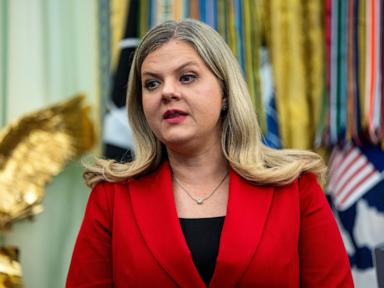
The media is currently hyperventilating over Donald Trump nominating Dr. Heidi Overton to head the Food and Drug Administration. The lazy consensus from mainstream outlets and beltway insiders is predictable: she lacks executive management experience over a sprawling federal bureaucracy, she aligns too closely with the Make America Healthy Again agenda, and she poses a direct threat to institutional norms.
This panic misses the point entirely.
The standard complaint about FDA nominees is always about whether they have managed thousands of employees or appeased large pharmaceutical conglomerates. That is a fundamentally broken metric. Worrying about whether a nominee can comfortably manage a bloated agency is like complaining that a surgeon does not know how to run the hospital billing department. The FDA does not need another career bureaucrat who treats drug companies as primary stakeholders. It needs a wrecking ball directed at regulatory capture.
The Management Myth
Critics love to point out that Overton has spent her career in policy think tanks, white house domestic councils, and academic research rather than running a ten-thousand-person federal agency. Raymond James analyst Chris Meekins recently called her lack of massive organizational management experience potentially troublesome for the drug industry.
Good. That is precisely why her appointment is brilliant.
When you put a traditional corporate healthcare manager or a standard pharma-friendly commissioner in charge of the FDA, you get a cozy revolving door. You get a system where the regulator and the regulated spend more time protecting each other than protecting the public. Marty Makary walked out the door earlier this year after months of internal warfare over vaping policies and bureaucratic gridlock. The agency under previous administrations functioned as a tollbooth for corporate interests, slowing down generics, protecting high margins, and dragging its feet on genuine innovation while approving incremental line-extensions.
Overton holds an MD and a PhD in clinical investigation from Johns Hopkins. She understands the actual mechanics of clinical trials, opioid prescribing patterns, and data integrity. Expecting her to spend her day managing office supply chains or supervising regional food safety inspectors is a waste of her actual skillset. Agencies have chief operating officers for administration. The commissioner's job is to set regulatory philosophy.
Dismantling Regulatory Capture
The real fear from the establishment is not that Overton cannot manage an office building. The real fear is that she will actually execute the policies pushed by Health and Human Services Secretary Robert F. Kennedy Jr. and the White House.
Critics point to her presence alongside Trump during recent announcements shifting childhood vaccine recommendations or scrutinizing institutional guidelines as evidence of ideological danger. Mainstream medical associations are clutching their pearls because an FDA commissioner might question legacy dogma.
Let us be honest about what the FDA has become. For decades, the agency has operated under the illusion of infallible scientific consensus while quietly suffering from deep institutional blind spots regarding chronic disease, ultra-processed foods, and conflicts of interest in drug approval pipelines. When an outsider comes in with a mandate to force transparency and speed up true cures instead of administrative paperwork, the legacy system screams about safety.
Safety is vital. But bureaucratic inertia is not safety. Delaying life-saving compounds or ignoring chronic health epidemics while obsessing over regulatory trivia is a active harm. Overton’s background at the America First Policy Institute and the Domestic Policy Council means she is not beholden to the institutional groupthink that plagues federal health agencies. She knows how the administrative state operates from the inside, which makes her uniquely positioned to bypass it.
The Real Questions We Should Be Asking
People asking whether Overton will appease traditional pharmaceutical giants are asking the wrong question. The right question is whether she can strip away the redundant layers of bureaucracy that turn drug development into a ten-year, multibillion-dollar obstacle course accessible only to mega-corporations.
Small biotech firms get crushed by the current FDA apparatus not because their science is weak, but because compliance costs require massive venture capital backing that only the biggest players can afford. If Overton cuts through that red tape, it threatens the monopoly moat that legacy pharma relies upon. That is why industry insiders are nervous. They do not fear incompetence; they fear disruption of their market advantage.
The confirmation battle ahead will be noisy. Senators will grandstand about public health norms and loyalty tests. Ignore the noise. The nomination of Heidi Overton represents a direct challenge to the medical-industrial complex. For once, the establishment is right to be worried.


