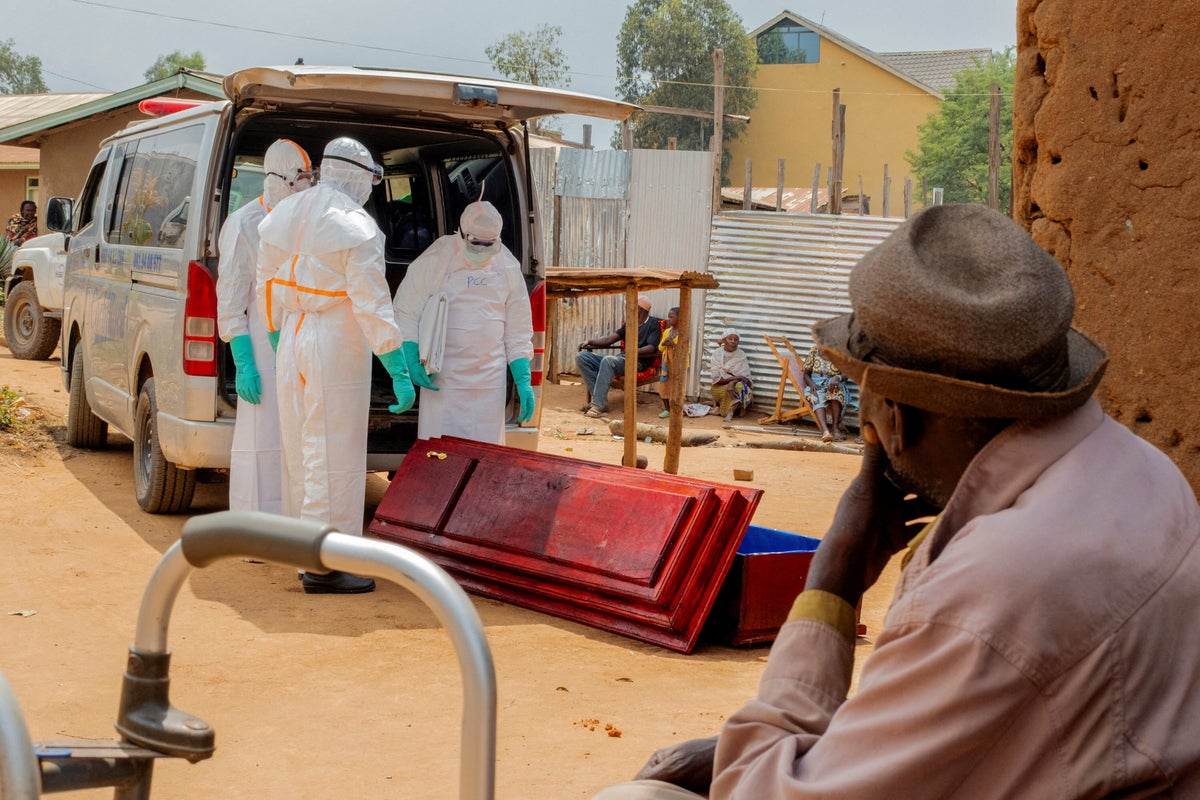
We love our panic porn. Whenever a headline flashes about the world's fastest spreading outbreak with death tolls ticking past seventeen hundred, the global machinery of fear grinds into motion. The media wants you paralyzed. The public health bureaucracies want emergency funding. Everyone treats speed like the primary enemy, as if transmission velocity is the ultimate metric of catastrophe.
They are looking at the wrong variable entirely.
I have spent two decades watching health systems panic over epidemiological curves, and every single time, the panic misdiagnoses the threat. Speed is a symptom, not the core pathology.
The Speed Fallacy
The lazy consensus says that a virus moving like wildfire is inherently the most dangerous thing on earth. This is flatly wrong.
In the calculus of viral evolution, a pathogen faces a strict biological trade-off between transmission and lethality. When a virus kills its host too quickly, the host dies before passing the pathogen along, or the symptoms become so violently obvious that the entire village, ward, or city locks down before the vector can widen. A hyper-fast spread often signals a virus burning itself out through sheer exhaustion of available hosts, or transitioning toward a milder, more stable form of coexistence.
We look at an outbreak moving at breakneck speed and scream about an apocalyptic wave. We ignore the immunological denominator. How many asymptomatic cases are out there? How many people clear the virus without ever seeing a clinic door? By hyper-focusing on the numerator—the raw death count—we design interventions that chase ghosts while missing the actual mechanics of containment.
The Institutional Failure of the Panic Response
When the World Health Organization issues a dire warning about an accelerating outbreak, what happens next is a masterclass in bureaucratic self-preservation.
First comes the theatrical travel restriction. Then comes the supply chain chokehold on local economies. Finally, trust evaporates.
I have watched billions of dollars deployed toward flashy, centralized treatment centers that local populations actively avoid because those facilities double as quarantine morgues in the public imagination. When you treat an outbreak with militarized lockdowns and zero cultural intelligence, you drive the sick into hiding. People do not flee treatment because they are ignorant; they flee because the institutional response treats them like biohazards rather than human beings.
The traditional playbook relies on command-and-control hierarchies built for a twentieth-century industrial world. Biology does not care about your press conferences. It operates on local networks, micro-behaviors, and immediate incentives.
Rewriting the Intervention Playbook
If we want to stop bleeding lives during a fast-moving health crisis, we have to flip the current model on its head.
- Decentralize immediately: Stop building massive centralized monoliths of care. Push diagnostic and supportive resources down to neighborhood networks within the first forty-eight hours.
- Redefine the metrics: Track recovery velocity and community trust indices alongside raw mortality. A drop in fear yields a rise in early reporting.
- Fix the messaging: Stop using apocalyptic language that triggers survival-mode avoidance behaviors. Honesty about what works and what does not builds compliance far better than a permanent state of red alert.
The danger is real, but our reaction is built on panic, bad metrics, and a total refusal to look past the initial headline shock.
Stop fighting the speed. Start fixing the response.