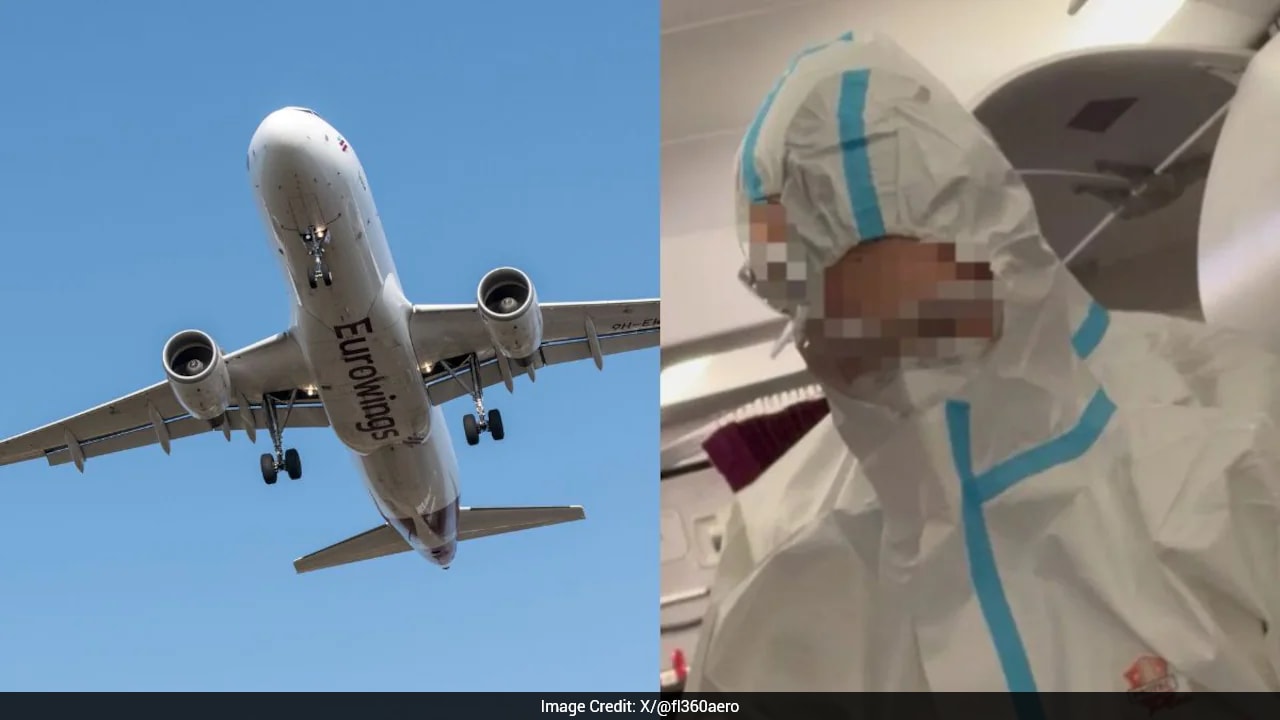
The headlines write themselves every time someone loses their lunch at thirty thousand feet. Hazmat suits boarding an aircraft. Passenger chaos. Mid-air vomiting frenzies splashed across morning news feeds like a low-budget contagion thriller. Media outlets love nothing more than turning a routine biological event into an apocalyptic cinema screening.
Stop buying the panic.
When a norovirus scare hits commercial aviation, the public reaction follows a predictable, hysterical arc. People point fingers at recirculated cabin air, filthy tray tables, and lax airline sanitation. They demand draconian quarantine measures and deep-clean theater that makes everyone feel better while doing almost nothing to stop actual transmission.
The lazy consensus says airplanes are airborne Petri dishes breeding super-strains of gastrointestinal misery. The reality is far more mundane, and infinitely more inconvenient for the panic-peddlers.
Aircraft cabin air is actually filtered through high-efficiency particulate air filters that capture better than ninety-nine percent of airborne microbes, recycling cabin air every few minutes. You are breathing cleaner air at cruising altitude than you are sitting in a packed movie theater or a windowless corporate conference room. The ventilation system is not the villain here.
Human behavior is.
Norovirus is not an airborne terror floating invisibly through the vents to infect your lungs. It is an exclusively fecal-oral pathogen. People do not catch it because the jet stream carried a virus particle from row twelve to row thirty. They catch it because someone touched a contaminated surface—often a flush button, a latch, or a shared armrest—and then touched their own face or food without washing their hands properly.
Yet, every time a passenger falls violently ill mid-flight due to food poisoning contracted twelve hours before boarding or an acute bug picked up at the terminal gate, the aviation industry takes the blame. Airlines scramble to deploy theatrical disinfection routines. Public health officials issue breathless warnings about travel safety.
This systemic misdiagnosis of the problem leads to entirely useless solutions.
Focusing on the aircraft itself ignores where the pathogen actually thrives. Airports are massive public mixing bowls housing thousands of transient travelers sharing touchpoints for hours on end before ever stepping foot on an airplane. Security bins, terminal seating, escalator handrails, and terminal restaurant menus are vectors of exposure that dwarf the risk profile of the aluminum tube everyone sits inside.
Blaming the plane is just an easy way to avoid confronting the uncomfortable truth about public hygiene and human biology.
Norovirus requires an infectious dose of fewer than twenty viral particles to completely derail your digestive system. It is hyper-contagious, resistant to alcohol-based hand sanitizers, and stable on hard surfaces for days. Soap and water are the only reliable physical mechanical mechanism to strip it from skin, yet compliance with basic handwashing standards remains abysmal among the traveling public.
When an outbreak hits a flight, it is almost always a localized statistical inevitability. Millions of people fly every single day. Out of that massive volume, a tiny fraction of passengers will inevitably board while incubating a bug or will contract something hours prior. Multiply that by cramped quarters and shared lavatories, and a single explosive event becomes statistically guaranteed to happen somewhere in the global airspace on any given week.
Treating these rare occurrences as systemic safety failures distorts how society manages public health risk.
If you want to protect yourself while traveling, stop worrying about whether the flight crew is wearing protective gear or whether the air is fresh. Look at your own hands. Stop touching high-traffic public surfaces in the terminal, wash your hands thoroughly with soap before eating anything, and accept that living in a densely populated world means occasionally rubbing shoulders with biology.
The next time a sensationalized report details a mid-air gastrointestinal emergency, look past the hazmat theater. The real story is not the airplane. It is our collective refusal to accept that microbes do not care about your flight itinerary.
Wash your hands. Stop panicking. And stop blaming the cabin air for your own failure to use soap.