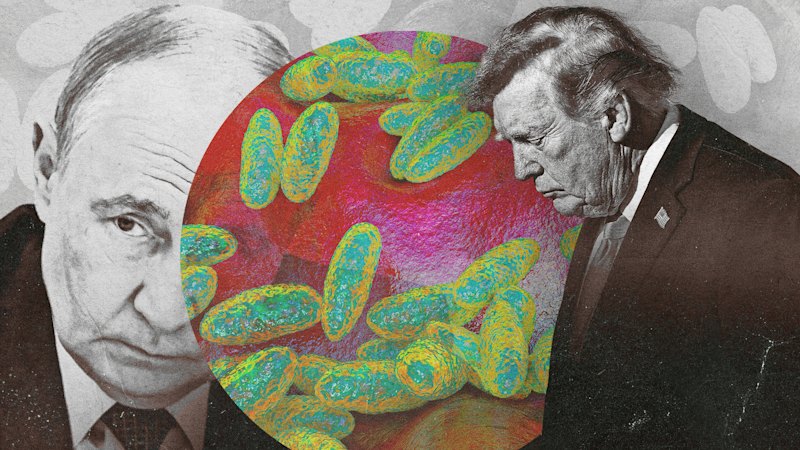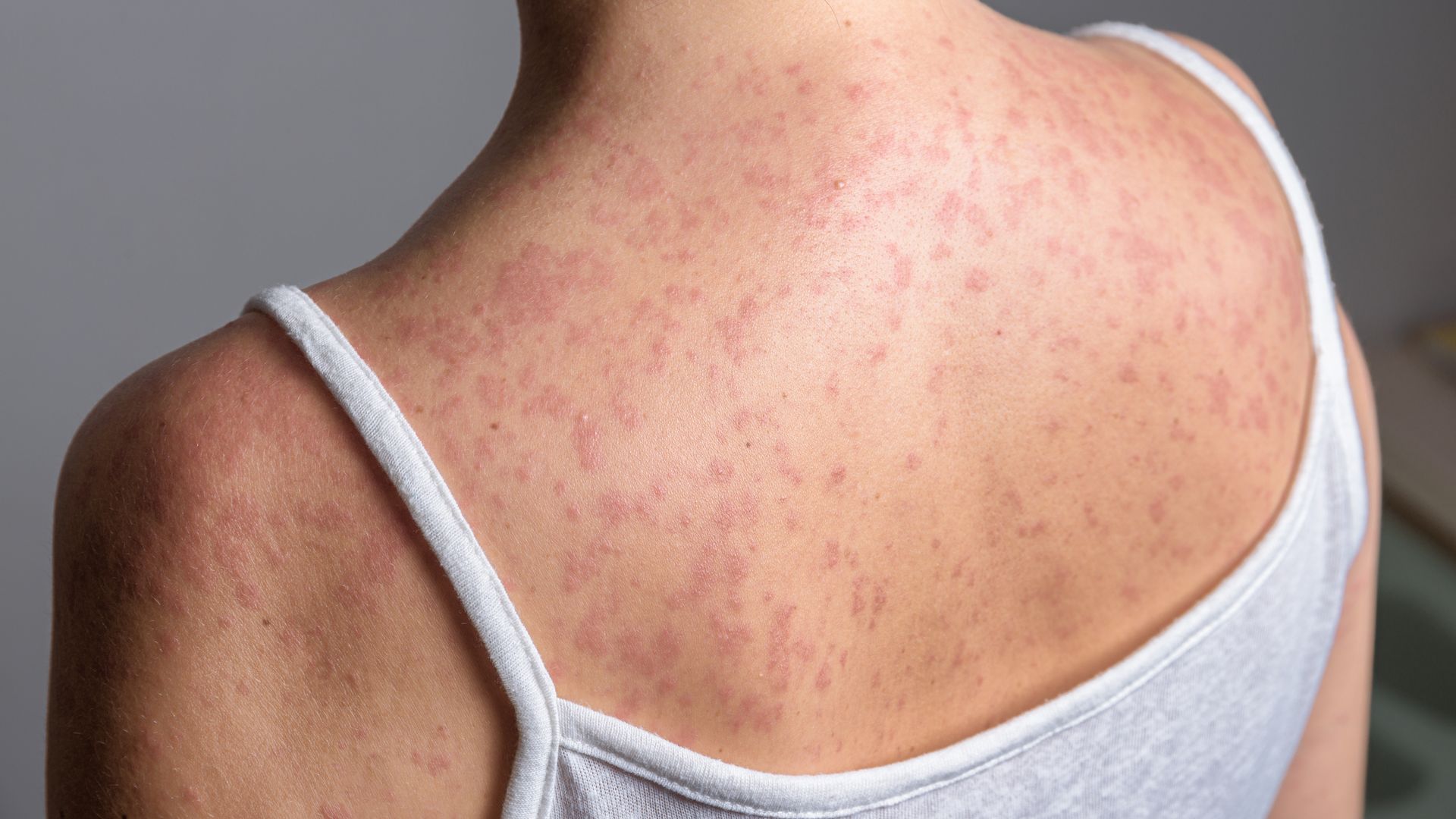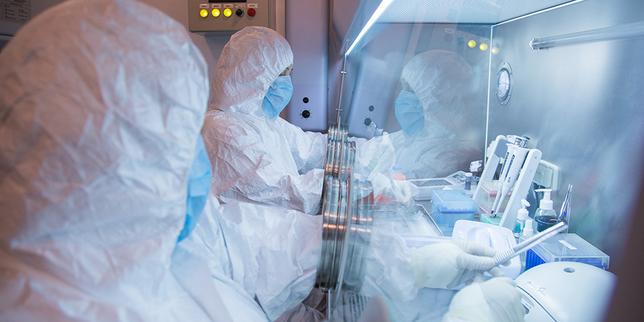
Every time the thermometer ticks upward in the taiga or an isolated herd of reindeer coughs, the media apparatus grinds into motion. The headlines write themselves: a soupçon of plague, an ancient specter rising from the permafrost, the Kremlin scrambling to project calm while the free world shivers.
It is a masterclass in journalistic laziness.
The lazy consensus says that thawing ice acts as an indiscriminate Pandora’s box, waking up dormant pathogens that will march out of the tundra and sweep across modern civilization. It plays on our deep-seated cinematic terror of ancient contagion. But the panic misses the actual mechanics of ecology, microbiology, and public health history.
The Permafrost Myth
Let us start with the technical reality of what the permafrost actually is. It is not a cryogenic freezer preserving pristine biological weapons in working order. It is a grinding, crushing, chemically hostile matrix of soil, ice, and organic decay.
When anthrax spores or bacterial fragments are locked away for centuries, they are subjected to continuous background radiation, shifting pressures, and destructive chemical reactions. Viability drops off a cliff over deep time. While resilient endospores like Bacillus anthracis can survive remarkable conditions, they do not wake up hungry for modern humanity. They wake up into soils where scavenging predators, local soil bacteria, and modern immunity profiles bear zero resemblance to the medieval world.
When an outbreak happens in Yamal or remote Siberia, the culprit is almost never a magical ancient zombie germ crawling out of a pristine ice sheet. It is an unburied carcass of a reindeer that died of anthrax decades ago, exposed because local erosion or unusually shallow burial habits brought it to the surface where grazing animals stumbled across it.
The threat is local, mechanical, and entirely preventable. It is an infrastructure failure, not an apocalyptic biological awakening.
Why State Reassurance Sounds Like Cover
When officials step up to microphones and insist that the situation is contained, the public immediately smells a rat. We have been trained by decades of institutional lying to assume that an official denial equals an active cover-up.
Yet in this specific instance, the paradox is that the official reassurance is actually closer to the truth than the breathless panic, even if the motives behind the reassurance are entirely about political optics rather than epidemiological nuance. The Kremlin wants to project absolute control over its sovereign territory. Admitting to a localized anthrax cluster among nomadic herders threatens the narrative of rugged stability.
So they downplay it. But the panic machine does the exact opposite, inflating a localized veterinary management problem into an existential bio-threat. Both sides are playing a theatrical game. Meanwhile, the actual solution is boring: vaccinate the reindeer herds, properly incinerate infected carcasses, and stop building camps on known historical burial grounds.
The Real Vulnerability
If you want to worry about biological threats in the twenty-first century, look at our hyper-connected, high-density supply chains and vector biology in urban centers, not frozen reindeer tracks in the Arctic Circle.
The obsession with permafrost pathogens is a psychological defense mechanism. It lets us externalize our anxieties onto nature—blaming the ice, blaming the climate, blaming an external, ancient force we can paint with gothic dread. It distracts us from the mundane, human-made vulnerabilities in our own backyard: antibiotic resistance, industrial farming density, and underfunded municipal sanitation.
Nature does not need to dig up the tsars to humble us. We are doing a fine job engineering our own vulnerabilities while staring anxiously at the wrong horizon.
Stop reading the horror stories. Start paying attention to veterinary logistics.