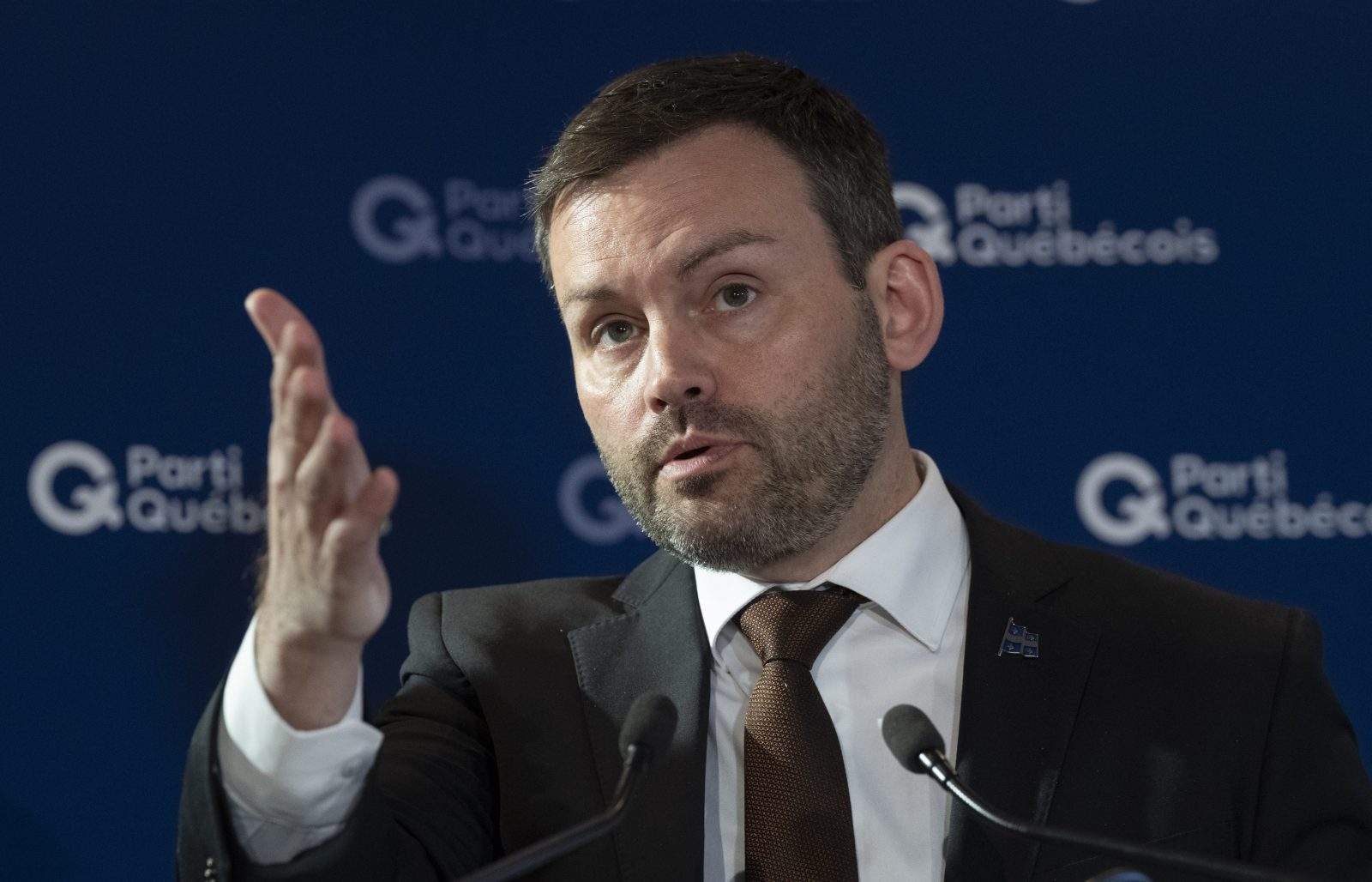
Political strategy in Quebec just took an unexpected turn. Parti Québécois Leader Paul St-Pierre Plamondon announced that his party will not hold a referendum on Quebec sovereignty while Donald Trump remains in the White House.
If you are following the shifting dynamics of Canadian provincial politics ahead of the upcoming election, this choice completely reshapes how the independence debate plays out. St-Pierre Plamondon, often known as PSPP, drew a hard line. He stated that a PQ government would not put the independence question to a public vote before January 20, 2029, marking the end of Trump's current presidential term.
Why make this pledge now? The reasoning comes down to cutting off opponent arguments before the campaign kicks off.
Defusing the Washington Factor
Critics of the separatist movement love to point south of the border. They argue that economic turbulence, unpredictable trade policies, and political theatrics from the U.S. administration make any major constitutional shake-up an absolute disaster.
By officially taking a referendum off the table until 2029, St-Pierre Plamondon is trying to neutralize that specific line of attack. He wants voters to focus on domestic issues like the cost of living and housing rather than getting bogged down by American political chaos.
An issue as massive as provincial sovereignty demands a calm, collected environment. According to the PQ leadership, that type of serene public discourse is impossible while Washington dominates international news cycles.
The Political Pushback
Rival parties are not buying the narrative. Opponents argue that postponing the vote does not eliminate the underlying economic uncertainty of a potential separation.
Premier Christine Fréchette argued that keeping the threat of a future referendum alive during a mandate still creates instability for businesses and citizens. Meanwhile, the Quebec Liberal Party maintains that the core risk of breaking away from Canada remains identical regardless of who sits in the Oval Office.
Even with the timeline pushed past 2029, the PQ insists it will still consult Quebecers on independence during its first mandate if elected. The strategy is to consult later in the term, once the American political landscape stabilizes.
Voters head to the polls on October 5, and the Parti Québécois remains a strong contender. How voters react to this conditional promise will dictate the next chapter of the independence movement.