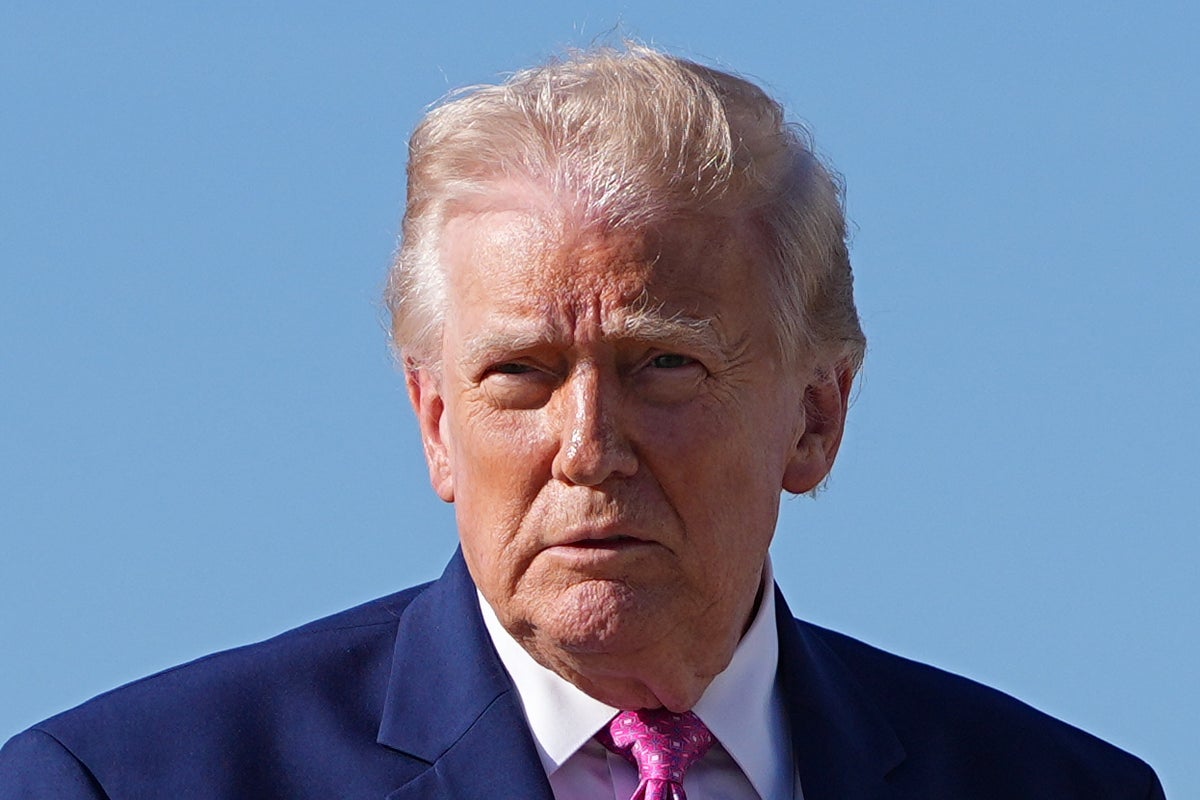
The media remains obsessed with the surface tension of the "Trump ultimatum." Headlines scream about "finishing" wars and the high-stakes arrival of negotiators in Islamabad. They want you to believe we are on the precipice of a binary choice: total peace or total annihilation.
They are wrong.
The current narrative treats Pakistan as a mere neutral ground—a convenient boardroom for two warring titans. This perspective ignores the cold, hard mechanics of regional leverage. The "peace talks" aren't a diplomatic breakthrough; they are a sophisticated stalling tactic where the United States and Iran are paying a premium just to sit at the table. If you think the "war" is the only thing that matters, you’re missing the fact that the mediator is the only one consistently profiting.
The Myth of the Finish Line
When Trump threatens to "finish" a war if peace talks fail, he is playing a psychological game that the American public eats up. It implies there is a definitive "end" button. In reality, modern geopolitical conflict isn't a boxing match with a bell; it’s a chronic condition.
The "lazy consensus" suggests that a failure in Pakistan leads to an immediate, hot war. Logic dictates otherwise. Neither Washington nor Tehran can afford the logistical nightmare of a full-scale kinetic engagement right now. Iran’s economy is a brittle shell, and the U.S. is domestically fractured, staring down the barrel of a debt crisis that makes massive overseas mobilizations look like fiscal suicide.
When a leader says they will "finish" it, what they really mean is they will escalate the "Grey Zone" activity. We’re talking about cyber-offensives, proxy skirmishes, and maritime harassment. This isn't a failure of diplomacy; it's the intended outcome of a negotiation style that prioritizes optics over actual regional stability.
Pakistan is Not a Neutral Observer
The press treats Pakistan’s involvement as a gesture of goodwill. That is an amateur’s reading of the map. Islamabad is currently the most powerful player in the room because it controls the oxygen.
For decades, Pakistan has mastered the art of "Strategic Depth." By hosting these talks, they aren't just facilitating peace; they are securing their own financial and military relevance. They are the gatekeepers.
- They get to vet the intelligence passing between sides.
- They receive "stability grants" and diplomatic concessions for their "cooperation."
- They ensure that any deal struck—or failed—leaves them as the indispensable middleman for the next fifty years.
I’ve watched analysts ignore the "Mediator’s Tax" for years. Whether it’s the Taliban talks or the current Iran-US friction, the host always walks away with more than the participants. While Trump and the Ayatollahs posture for their respective bases, the Pakistani military establishment is quietly solidifying its grip on the flow of regional information.
Why "Peace" is a Dangerous Metric
People ask: "Will there be peace?" This is the wrong question. Peace is often just a period of re-arming.
The negotiators arriving in Pakistan aren't there to sign a permanent friendship treaty. They are there to establish the rules of the next confrontation. If the talks "succeed," we get a temporary freeze that allows Iran to harden its infrastructure and allows the U.S. to rotate its assets. If they "fail," we get a controlled escalation that justifies higher defense budgets.
The downside to this contrarian view is obvious: it feels cynical. It’s much more comfortable to believe in the "Great Man" theory of history, where a single leader’s tweet or a single meeting in Islamabad changes the world. But history doesn't care about your comfort. It moves on the back of supply lines, currency valuations, and the quiet desperation of middle-tier powers trying to stay relevant between superpowers.
The Failure of the Negotiator Class
We have a "Negotiator Class" that thrives on the process, not the result. These are the career diplomats currently landing in Pakistan. To them, a "failed" talk is just a reason to schedule three more meetings.
The common misunderstanding is that these individuals are working toward a resolution. They aren't. They are working toward a status quo that requires their constant presence.
- The US Stance: Maximize pressure to force a concession that looks good on a 24-hour news cycle.
- The Iranian Stance: Survive the pressure long enough for the US election cycle to reset the board.
- The Pakistani Stance: Keep both sides talking so the checks keep clearing.
If you want to understand the "latest" in the Iran-US war, stop looking at the podiums. Look at the shipping lanes in the Strait of Hormuz and the energy contracts being signed in the shadows of the summit. That is where the war is being fought, and that is where the "peace" is being sold.
The Data the Headlines Ignore
Let’s talk about the $100 billion distraction. While everyone is focused on the threat of bombs, the real war is being fought in the currency markets. Iran’s Rial is in freefall, but they have become experts in "Sanction-Busting 101." They’ve built a parallel economy that the West refuses to acknowledge because admitting its existence would mean admitting that the current "Maximum Pressure" strategy has a ceiling.
Imagine a scenario where the talks "fail" spectacularly tomorrow. Does the world end? No. The price of oil spikes, the "Defense Industrial Complex" sees a 5% bump in stock value, and we go back to the same shadow boxing we’ve seen since 1979.
The threat to "finish" the war is a hollow shell because the "war" as we define it—tanks crossing borders—is obsolete. The new war is an endless series of technicalities, trade barriers, and mediated sit-downs in foreign capitals.
Stop waiting for a "Game Over" screen. In this region, there are no winners, only survivors who are better at managing the "Game Continued" prompt. The negotiators aren't there to end the conflict; they're there to renew the subscription.
Pack up the "Peace in our time" banners. The real victory has already been claimed by the ones holding the microphones and charging for the room rental in Islamabad.
The talks aren't the solution. The talks are the industry.