The numbers are out, and they paint a grim picture. Pentagon reports submitted to Congress show that United States military operations killed 153 civilians and wounded 243 others in 2025.
Compare that to the official tally for 2024, which recorded just two deaths and two injuries. That is a massive spike. But if you look closer at how Washington calculates these figures, you realize official disclosures rarely capture the full human cost of modern warfare.
Where the 2025 Casualties Happened
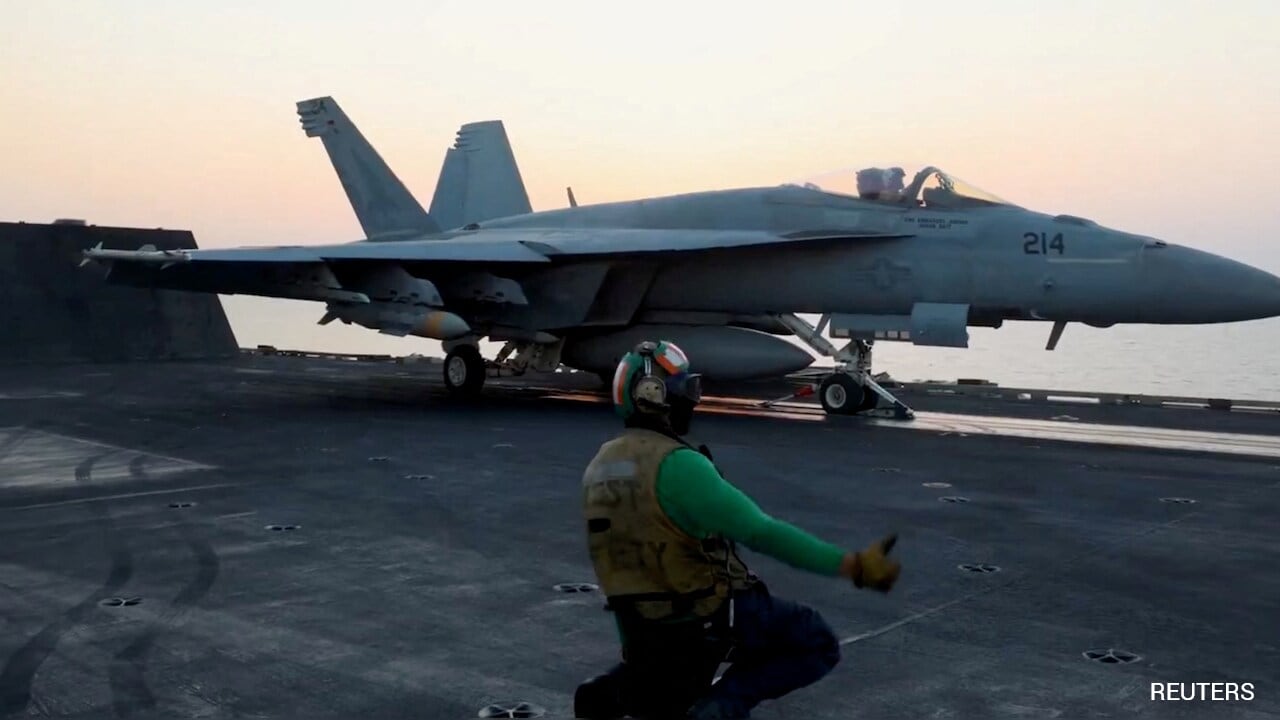
Every single one of the 153 confirmed civilian deaths tracked in this specific Pentagon report traces back to three intense airstrikes carried out in Yemen during April 2025. These actions formed part of the broader campaign against Iran-backed Houthi militants, code-named Operation Rough Rider, designed to protect commercial shipping lanes in the Red Sea.
The Department of Defense uses a strict threshold. They only count an incident if internal assessments determine it is "more likely than not" that American weapons caused civilian harm.
The April strikes broke down across three distinct locations:
- Sanaa: An April 6 strike near the capital killed five civilians and injured 25.
- Ras Isa Port: An April 17 strike resulted in 80 civilian deaths and 171 injuries.
- Saada: An April 28 strike accounted for the remaining casualties, with official figures listing dozens more dead.
Independent monitors like Airwars and the Yemen Data Project argue the actual toll is higher. They point out that field investigations are rare because operating environments remain heavily contested.
What Gets Left Out of the Official Tally
Official transparency has limits. The 2025 congressional report entirely excludes casualties stemming from separate military actions.
Take the ongoing naval strikes in the Caribbean and eastern Pacific. Beginning in September 2025, the administration targeted vessels suspected of drug trafficking, labeling the operators as narco-terrorists. Public tallies indicate those maritime operations have killed more than 200 people.
Human rights organizations like Amnesty International and Human Rights Watch view those vessel operations as unlawful extrajudicial killings. Yet, because they fall under different command structures and operational definitions, they do not show up in the standard annual civilian casualty accounting delivered to Capitol Hill.
Structural Changes Inside the Pentagon
You cannot separate these figures from shifting internal priorities. During the tenure of Defense Secretary Pete Hegseth, the Pentagon shifted its primary focus toward raw military lethality rather than strict legal oversight.
Offices dedicated to mitigating civilian harm faced deep budget cuts and severe staff reductions. Staffing at the Civilian Protection Center of Excellence dropped dramatically by the end of fiscal year 2025, falling from around 40 personnel down to a skeleton crew. Critics argue that sidelining these oversight groups makes tragic errors more likely and transparent investigations much harder to execute.
Expect further friction between lawmakers and the defense establishment. Congress mandated these annual disclosures back in 2018 to ensure accountability. As long as military campaigns expand across multiple fronts, the debate over who counts as a legitimate target—and who pays the ultimate price—will only intensify.