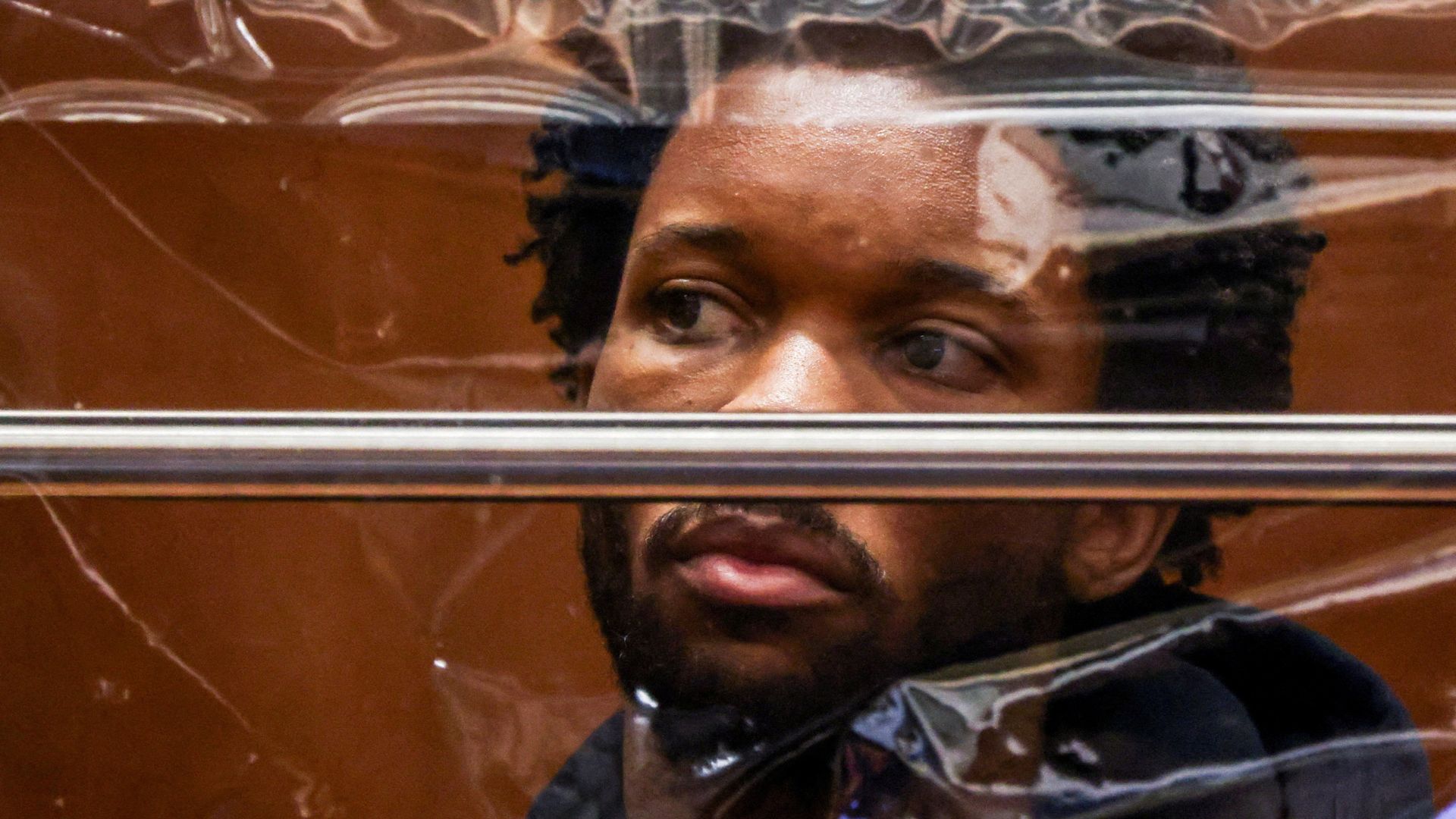
The tragic case surrounding indie-pop artist D4vd, born David Anthony Burke, has gripped public attention, but online chatter frequently glosses over the crucial legal details. When 14-year-old Celeste Rivas Hernandez went missing and her remains were later discovered in the trunk of a Tesla registered to Burke, public outrage surged immediately. During preliminary proceedings in Los Angeles County court, prosecutors presented key evidence, including body-camera footage recorded by sheriff's deputies during a missing-person investigation back in February 2024.
In that video footage, Burke claimed to law enforcement that he had only met the young girl once in person and had no idea she was a minor. "She told me she was 18," Burke insisted to deputies on camera, adding, "Everybody's telling me she was 13." For a different look, check out: this related article.
However, prosecutors present a drastically different timeline. According to court documents, investigators allege that Burke—who was 18 at the time—had been involved in a sexual relationship with Rivas Hernandez for months prior to that police interaction.
Understanding how this case moved from missing-person reports to a high-profile capital murder trial requires examining the specific digital and forensic evidence collected by investigators. Similar reporting regarding this has been published by The Guardian.
What the Evidence Actually Shows
The prosecution's case relies heavily on digital records and forensic tracking rather than just eyewitness testimony. Court filings indicate that Burke and Rivas Hernandez initially connected online around 2020 or 2021. Text messages, explicit photos, and ride-share app logs tell a much clearer story than verbal statements made during early police visits.
Key evidence submitted by prosecutors includes:
- Electronic Correspondence: Text messages detailing their relationship, along with messages where the victim threatened to go public with details that could jeopardize Burke's burgeoning music career.
- Location and Ride Data: Logged Uber rides arranged from Lake Elsinore to Burke's Hollywood residence on the night Rivas Hernandez vanished in April 2025.
- Forensic Garage Evidence: Blood samples matching the victim's genetic profile found inside Burke's rental home garage.
- Purchase History: E-commerce logs showing orders for body bags, chainsaws, an inflatable pool, and shovels shortly after the victim's cell phone activity completely ceased.
Defense attorney Blair Berk has maintained that Burke did not kill Rivas Hernandez, arguing that the forensic evidence and the handling of the crime scene leave room for significant reasonable doubt. The defense has intensely cross-examined detectives regarding how evidence from the impounded Tesla was collected and stored.
Addressing the Common Misconceptions
When high-profile cases explode across social media, rumors move faster than facts. Sorting out what was formally entered into court records versus internet speculation is essential.
Did Burke cooperate with police originally?
Yes. In early 2024, when officers followed up on missing person reports regarding Rivas Hernandez, Burke allowed deputies to search his residence without a warrant. Deputies recorded a jovial interaction and found no immediate physical evidence of the teenager at that time. This early cooperation is often cited by defense supporters, though prosecutors allege it was merely a tactic to deflect suspicion while maintaining an illegal relationship.
How was the vehicle located?
The car wasn't found through a dramatic police chase or a direct tip from the suspect. The Tesla sat abandoned near Burke's rental home for weeks after he left on an international tour. Tow yard staff in Hollywood reported an intense odor coming from the impounded vehicle, prompting detectives to inspect the trunk where the remains were ultimately discovered.
Following Legal Developments Responsibility
Cases involving severe allegations, child exploitation charges, and capital murder move slowly through the judicial system. Preliminary hearings serve to establish whether probable cause exists to hold a defendant over for a full criminal trial.
To track this case accurately:
- Rely on Official Transcripts: Follow verified court reporting rather than social media commentary or unverified video clips.
- Understand Charges: Distinguish between initial charges filed by district attorneys and formal convictions handed down by a jury.
- Monitor Pre-Trial Motions: Evidence can be admitted or thrown out depending on judge rulings regarding search warrants and chain of custody.
Pay close attention to upcoming court filings from the Los Angeles District Attorney's office as formal trial dates are scheduled.