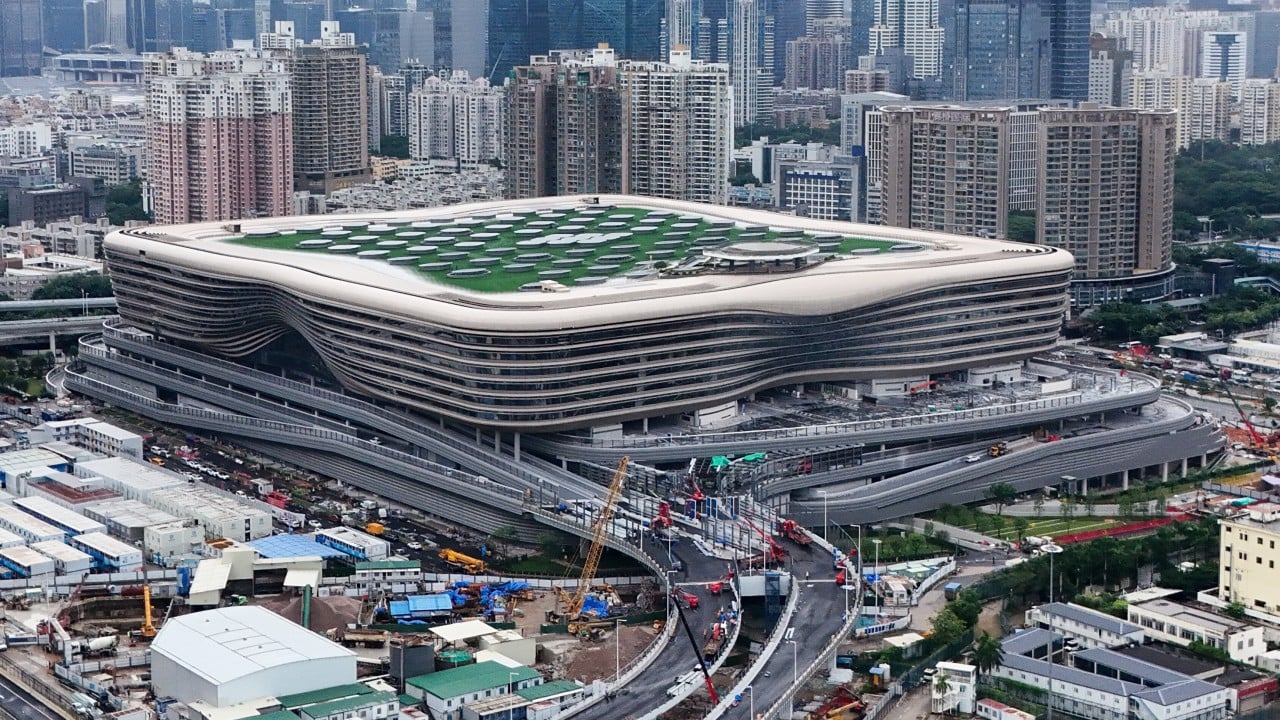
If you have ever tried dragging a heavy suitcase through the concrete maze of a newly renovated border crossing only to realize your transit options back home are completely disjointed, you know the exact frustration facing travelers at the Huanggang checkpoint.
Experts are sounding the alarm. They argue that the revamped Huanggang checkpoint desperately needs a direct Hong Kong airport bus link. Right now, crossing the border between Shenzhen and Hong Kong feels less like a modern transit experience and more like an endurance test. You clear customs, you look around for a straightforward coach to the airfield, and you find yourself piecing together a messy combination of subways, local minibuses, and multiple transfers.
That needs to change.
The Reality of Cross-Border Friction
Millions of travelers move through the Shenzhen-Hong Kong corridor every single year. When planners spent massive budgets modernizing the Huanggang checkpoint, everyone assumed convenience would follow. They built a massive, high-tech facility designed to handle twenty-four-hour clearance with incredible speed.
Yet, physical speed at the immigration counter means nothing if you get stranded outside the gates with your luggage.
Right now, if you want to reach the Hong Kong International Airport from Huanggang, you are facing an awkward commute. You can take a local connection to a different transport hub, or rely on scattered private limousines that cost a fortune. There is no major, integrated public coach route running directly from the doorstep of the new terminal straight to the airport's ground transportation center.
Why does this matter? Because regional integration relies entirely on friction-free movement. If the Greater Bay Area is supposed to function as a single, massive economic and social zone, getting from a primary border checkpoint to an international aviation hub shouldn't require three different transit tickets.
Why Current Alternatives Fall Short
Let us look at the actual logistics. You can grab a train, but it involves changing lines multiple times. You can book a private car, but surge pricing during peak hours will make your wallet cry.
Many travelers try to take local buses via intermediate stations like San Tin. It works on paper. In practice, it means hauling your bags on and off local transit while fighting crowds of commuters.
- Subway and train routes: Fast, but require heavy walking and multiple transfers with luggage.
- Private hires: Convenient, but expensive and vulnerable to highway congestion.
- Scattered cross-border coaches: Limited schedules and hidden pickup bays that confuse first-time visitors.
None of these options offer the simple peace of mind that comes with a dedicated, high-frequency airport bus link operating right out of the Huanggang facility.
What Experts Actually Want to See
Transport analysts and urban planning advocates aren't asking for miracles. They want basic efficiency. The blueprint for the revamped checkpoint should have included dedicated bays for cross-boundary coaches heading straight to the airport terminals on Lantau Island.
Integrating a direct bus service cuts total travel time down significantly. More importantly, it removes the cognitive load of travel. When you land from a long-haul flight or rush to catch an outbound international departure, you do not want to solve a puzzle. You want to board a vehicle on one side and step out at your destination.
The infrastructure at Huanggang is massive enough to accommodate these routes. The bottleneck is administrative and operational coordination between regional transport departments.
What You Should Do If You Are Traveling Right Now
Until transport authorities finally listen to the experts and roll out a dedicated direct line, you have to protect your schedule.
Do not rely on last-minute planning when moving through this corridor. If your flight timing is tight, bypass the public transit guesswork entirely and book a through-coach ticket from a major nearby hub that guarantees a seat. Give yourself at least an extra hour of buffer time whenever your itinerary requires crossing Huanggang and heading toward the airfield.
Check local transit operator updates before your trip. Keep an eye out for newly launched pilot shuttle services, as operators occasionally spin up temporary lines to test demand.
Demand better infrastructure from local planners by speaking up through passenger feedback channels. Until the direct bus link becomes a reality, pack light, stay patient, and plan your connections twice.