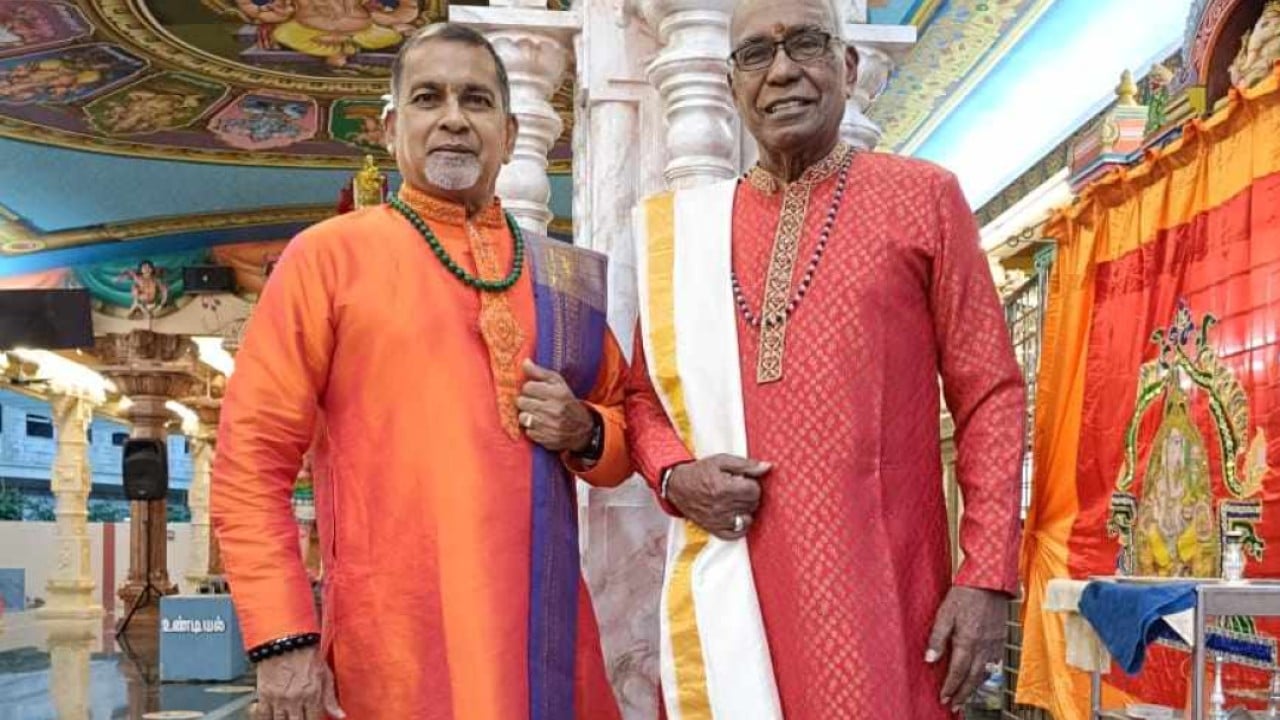
Walk down Jalan Gajah Berang in Melaka, and you'll spot a neighborhood that breaks every textbook assumption about Malaysian identity. People wear traditional Malay sarong kebaya, speak a distinct Malay creole, and cook fiery Peranakan-style curries—yet they pray at ornate Hindu temples dedicated to Shiva, Mariamman, and Murugan.
Most travelers and even plenty of locals assume "Peranakan" strictly refers to the Straits Chinese (Baba-Nyonya). That's dead wrong.
The Chetti Melaka—often called the Indian Peranakans—are one of Southeast Asia's oldest creolized communities. Their roots stretch back over 500 years to the golden era of the Melaka Sultanate, long before European colonial ships ever dropped anchor in the Straits of Malacca. While the Baba-Nyonya get almost all the tourism dollars, museum exhibitions, and Netflix food features, the Chetti Melaka have been quietly guarding a living, breathing fusion of South Indian Hinduism and indigenous Malay culture in a tiny pocket of Kampung Chetti.
Who Are the Chetti Melaka Actually
Let's clear up the naming confusion right away. You'll hear people use "Chetti" and "Chettiar" interchangeably. Don't make that mistake.
The Nattukottai Chettiars arrived largely during the 19th-century British colonial era as bankers and moneylenders, maintaining strict ties to Tamil Nadu and preserving pure Tamil language and endogamous marriage customs. The Chetti Melaka, by contrast, trace their lineage to 15th-century Tamil merchants from the Coromandel Coast—specifically regions like Nagapattinam and Kaveripattinam—who sailed to Melaka during the reign of Sultan Mansur Shah.
Because the monsoon winds dictated maritime trade back then, merchants couldn't just hop on a flight home. They stayed for months, sometimes years. Many settled permanently and married local Malay women, as well as Javanese and Batak women living in the port city.
Out of those unions came a distinct community. The men kept their Saivite Hindu faith, while the mothers passed down the Malay language, local domestic customs, and culinary techniques. Over generations, the Chetti Melaka stopped speaking Tamil altogether. Today, their mother tongue is Bahasa Chetti—a fascinating Malay creole laced with archaic Malay vocabulary, Tamil loanwords (especially for kinship terms and religious rituals), and Hokkien or Portuguese sprinkles picked up over centuries of port life.
Why Kampung Chetti Is Ground Zero for Survival
If you want to understand how this community survived Portuguese, Dutch, and British rule without losing its soul, you have to look at Kampung Chetti on Jalan Gajah Berang.
Situated roughly two kilometers from Melaka's historic red Dutch Square, this village sits on waqf-like temple trust land managed by the Sri Poyyatha Vinayagar Moorthi Temple. That land arrangement is arguably the single biggest reason the community hasn't been completely swallowed by urban sprawl.
Walk through the village lanes and you'll notice the architecture immediately. The houses don't look like typical South Indian courtyard homes, nor do they look like the narrow, deep shophouses of Jonker Street. They're classic traditional Melaka Malay timber houses—elevated on stilts or masonry piers, featuring wide wooden verandas (serambi), steeply pitched roofs, and intricately carved ventilation panels. Step inside, though, and you'll find shrines to Hindu deities, brass kuthuvilakku oil lamps, and ancestral portraits framed in gold.
Numbers tell a sobering story here. According to community historians and Malaysian heritage researchers, the core Chetti Melaka population hovers around a few thousand people nationwide, with only a few hundred still residing inside Kampung Chetti itself. Younger generations move to Kuala Lumpur, Johor Bahru, or Singapore for work. Intermarriage with Chinese, Indian, and Eurasian Malaysians has become common.
Keeping a micro-minority intact under those pressures isn't automatic. It takes stubborn, deliberate effort.
The Dress and Language You Won't See Anywhere Else
Spend ten minutes talking to an elder in Kampung Chetti, and you'll hear how Bahasa Chetti works in real time. While standard Bahasa Melayu uses saya or aku for "I," a Chetti speaker often uses gua (borrowed from Hokkien) or specific regional Melaka pronouns, while addressing family members with Tamil-derived titles like tata (grandfather), nana (elder brother), or achi (elder sister).
Religion is where the vocabulary shifts hardest. Hindu deities, temple offerings, and sacred days retain their Tamil names, creating a linguistic bridge where Malay sentence structure carries Hindu theology.
Clothing tells the exact same story of cultural blending:
- Women's attire: Chetti women wear the baju kebaya (often the sheer kebaya renda or the long baju panjang) paired with a colorful batik sarong, secured with a trio of jeweled brooches called kerongsang. Their hair is traditionally swept into a tight bun (sanggul) pinned with silver or gold hairpins, finished with fresh jasmine flowers (bunga melur). From ten paces away, a Chetti woman looks identical to a Nyonya matriarch—until you spot the sacred ash (vibhuti) or red pottu on her forehead.
- Men's attire: Everyday wear historically meant a checked kain pelekat (sarong) and a loose cotton shirt. For temple festivals and weddings, men wear a traditional white veshti (dhoti) paired with a Malay baju Melayu top or tunic, sometimes topped with a traditional batik headgear (tanjak) or turban during specific ceremonial rites.
Food That Breaks Every Culinary Rule
Honest opinion? Chetti cuisine might be the most underrated regional food tradition in all of Malaysia.
Because Indian restaurants in Malaysia skew heavily toward Mamak stalls, banana leaf rice, or North Indian Mughlai dishes, most visitors never taste actual Chetti home cooking. It isn't heavy on ghee, cream, or thick yogurt gravies. Instead, it leans hard on Southeast Asian aromatics—lemongrass, galangal, pandan, tamarind, torch ginger flower (bunga kantan), and coconut milk—combined with roasted South Indian spices.
If you manage to get invited to a Chetti home or track down one of the rare family-run eateries in Melaka, look for these signature dishes:
- Lauk Pindang: A sharp, deeply savory fish stew soured with tamarind and brightened with turmeric, shallots, and local herbs. It bears zero resemblance to mainland Indian fish curries and sits much closer to Melaka's indigenous coastal cooking.
- Sambal Taik Minyak: Literally translated as "oil dregs sambal," this rich condiment is made from the caramelized solids left behind when extracting coconut oil, pounded with chilies, shallots, and dried shrimp or spices. It's labor-intensive, intensely nutty, and rarely made commercially.
- Nasi Lemak Kukus with Chetti Curries: Unlike standard street-side nasi lemak, festive Chetti versions pair steamed coconut rice with dry-fried spiced meats, brinjal pachadi, and tangy pineapple-cucumber acar.
- Kuih-Muih: During festivals, Chetti kitchens turn out classic Nyonya-style steamed cakes like kuih koci, onde-onde, and pulut tekan (blue pea flower glutinous rice) alongside Indian sweets like payasam and athirasam.
Food isn't just nostalgia here. Preparing multi-day festival spreads is one of the primary ways older women pass oral history and kitchen discipline down to daughters and nieces who live out of state.
Festivals Where Two Worlds Collide
To see the Chetti Melaka at full strength, you don't go on a random Tuesday afternoon. You show up during Parchu or the annual Mariamman Temple Thiruvizha (chariot festival).
Parchu (Ancestral Remembrance)
Twice a year—typically ahead of Pongal in January and during the Tamil month of Aadi—Chetti families observe Parchu, an ancestral veneration ritual that doesn't exist in standard South Indian Hinduism.
Influenced by Malay and Chinese ancestor-worship customs, families lay out a massive feast on banana leaves inside their homes. They offer the deceased ancestors' favorite foods—sometimes including specific curries, local kuih, betel leaves (sirih), and even the departed relative's favorite brand of cigarettes or stout—before lighting camphor and praying for family blessings. It's deeply personal, intensely communal, and a textbook example of how creolized communities adapt theology to fit their lived environment.
Sri Muthu Mariamman Temple Festival
Every May, Kampung Chetti comes alive for the annual festival at the Sri Muthu Mariamman Temple inside the village. Devotees carry kavadi and milk pots (paal kudam) in procession, walking over hot coals or accompanying the wooden temple chariot through the streets of Melaka.
Unlike larger urban Thaipusam crowds in Batu Caves, the Kampung Chetti festival feels intimate. Neighbors of all backgrounds—Chinese, Malay, Eurasian—line the roads to watch, and multi-generational Chetti families fly back from across the globe to fulfill vows and reconnect with cousins they only see once a year.
Sri Poyyatha Vinayagar Moorthi Temple
You also can't talk about Chetti history without mentioning the Sri Poyyatha Vinayagar Moorthi Temple on Jalan Tukang Emas (famously known as Melaka's "Harmony Street" because it sits steps away from the Kampung Kling Mosque and Cheng Hoon Teng Temple). Built in 1781 on land granted by the Dutch East India Company to Chetti community leader Thaivanayagam Chitty, it stands as the oldest functioning Hindu temple in Malaysia and Singapore.
The Real Threats Facing the Community Today
It's easy to romanticize cultural survival, so let's be honest about the challenges. Heritage preservation in Melaka has a massive blind spot.
When UNESCO inscribed Melaka and George Town as a World Heritage Site in 2008, international spotlight and state funding poured into Jonker Street and the Baba-Nyonya heritage zone. Kampung Chetti sat just outside the core buffer zone. For years, the village fought off high-rise commercial development threats right on its doorstep—projects that threatened to overshadow the low-slung wooden houses, strain local drainage, and disrupt the quiet village ecosystem.
There are three concrete pressures squeezing the community right now:
- Demographic dilution: With a tiny marriage pool, most young Chetti Melakans marry outside the community. When a Chetti person marries a non-Hindu or moves away from Melaka, raising kids who speak Bahasa Chetti and practice Parchu becomes exponentially harder.
- Economic migration: Melaka's economy leans heavily on tourism and manufacturing. High-paying corporate, tech, and finance jobs pull university graduates toward Kuala Lumpur and Singapore, leaving Kampung Chetti with a disproportionately elderly resident base.
- Cultural flattening: Official Malaysian racial categorization—which neatly boxes citizens into Malay, Chinese, Indian, or Lain-lain (Others)—has historically struggled to accommodate hybrid identities. On government forms, Chetti Melakans are classified simply as "Indian," which erases five centuries of distinct Malay-Hindu synthesis.
How to Experience Chetti Melaka Respectfully
If you're planning a trip to Melaka and want to see beyond the tourist traps on Jonker Walk, visiting Kampung Chetti is worth half a day of your itinerary. Just don't treat it like a human zoo. People actually live there.
Start at the Chetti Museum right inside Kampung Chetti on Jalan Gajah Berang. It's small, community-run, and packed with antique wedding jewelry, traditional kebaya, ceremonial brassware, and family genealogies that explain the lineage far better than any guidebook. Check opening hours ahead of time or call ahead, as volunteer staffing means hours can fluctuate on weekdays.
Walk slowly through the village lanes afterward, keeping your camera pointed at architecture rather than peering into open living room doors. If an elder sitting on a serambi greets you, stop and chat—many are fiercely proud of their history and happy to explain the nuances of their heritage if you show genuine curiosity.
Afterward, walk down to Jalan Tukang Emas to visit the Sri Poyyatha Vinayagar Moorthi Temple. Remove your shoes before entering, dress modestly (cover shoulders and knees), and avoid taking photos inside the inner sanctum during active puja prayer times. If you want to taste authentic Chetti cooking, look for pop-up heritage food events in Melaka or reach out to local heritage guides in Kampung Chetti who arrange home-cooked community lunches with advance notice—supporting those meals puts money directly into the hands of the families keeping these recipes alive.