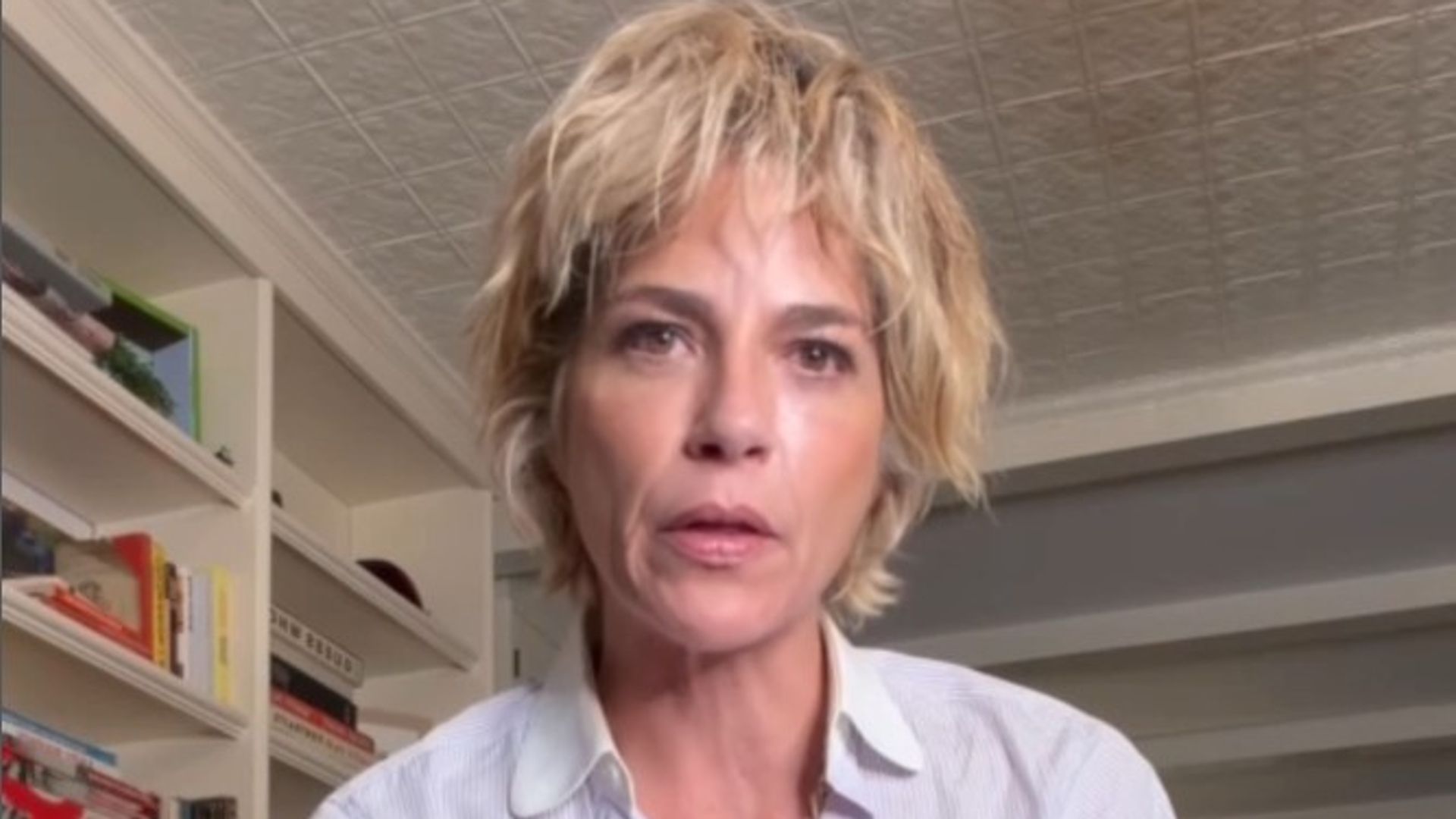
Celebrity apologies usually follow a tired, predictable script written by crisis PR teams, which is why Selma Blair's raw 2016 statement after her mid-air medical emergency stood out so sharply. Instead of hiding behind vague legal phrasing or blaming "exhaustion," Blair owned the entire messy situation in her very first public remarks following the flight from Cancun to Los Angeles. She didn't make excuses. She straight-up said she was "so sorry" to the passengers and crew who witnessed her breakdown after she accidentally mixed prescription medication with alcohol.
If you remember the headlines from June 2016, the tabloid coverage painted a chaotic picture of a Hollywood actress losing control in first class. Paramedics met the Delta Air Lines flight at LAX and carried Blair off on a stretcher. The internet immediately jumped to conclusions, assuming it was just another case of celebrity entitlement or reckless partying. Looking back with what we know now about her subsequent Multiple Sclerosis diagnosis, that entire event reads completely differently. Building on this idea, you can find more in: The Prize Money Offset Model Why Losing Reality Television Can Outperform Winning.
Why Selma Blair Apologized After the Cancun Flight
When the story first broke, details trickled out from fellow passengers and law enforcement sources. Blair had been returning from a Father's Day weekend trip in Mexico with her ex-partner, Jason Bleick, and their young son, Arthur. Mid-flight, she reportedly began crying, speaking incoherently, and expressing fears about an unnamed man hurting her. Two nurses on board stepped in to help keep her calm and checked her bags for medication while the pilot alerted ground crews in Los Angeles.
In her first public statement after leaving the hospital, Blair addressed the incident head-on without a shred of defensiveness. She released a candid message explaining exactly what went wrong. Observers at Reuters have also weighed in on this matter.
"I made a big mistake yesterday. After a lovely trip with my son and his Dad, I mixed alcohol with medication, and that caused me to black out and led me to say and do things that I deeply regret."
She went on to apologize directly to the flight attendants, the passengers sitting nearby, and her own son, who had to watch his mother go through a terrifying public episode. Honestly, that level of transparency is rare in entertainment. Most publicists would tell a client to stay quiet until the news cycle moves on, or release a sanitized statement about "seeking privacy during a difficult time." Blair took the exact opposite route. She admitted she messed up, thanked the crew for handling the crisis professionally, and owned the fallout.
The Medical Reality Behind the Headlines
At the time of the 2016 flight, nobody—including Blair herself—knew she was living with Multiple Sclerosis. She wouldn't receive her official MS diagnosis until August 2018, more than two years after the plane incident. Yet when you look at the timeline of her health struggles, the pieces start snapping together in a way the initial gossip columns completely missed.
Blair later shared in interviews and her 2022 memoir, Mean Baby, that she had been experiencing unexplained physical pain, severe fatigue, and neurological symptoms for years before doctors finally identified MS. Like millions of people dealing with undiagnosed chronic pain and anxiety, she was taking prescribed medications just to get through normal days and long flights.
Mixing central nervous system depressants with even a single glass of wine at 35,000 feet doesn't just make you tipsy. Cabin pressure alters how your body processes substances, and combining alcohol with sedatives or pain relievers can trigger sudden, severe amnesia, confusion, and acute emotional distress. Blair didn't just have too much to drink. She experienced a genuine pharmacological blackout that left her completely disoriented in a confined space.
How Tabloid Culture Misreads Medical Crises
Having worked around media coverage of celebrity health struggles for years, I've seen how quickly the press defaults to scandal over science. A stretcher on a tarmac is visual clickbait. Nuanced explanations about drug interactions and undiagnosed neurological conditions don't sell magazines on checkout racks.
The coverage in June 2016 focused heavily on the spectacle:
- Anonymous passenger quotes describing her outbursts in the cabin.
- Speculation about her personal relationships and parenting.
- Rumors about substance abuse rather than accidental medication interaction.
What got buried in the noise was the fact that two medical professionals on the plane immediately recognized she was having a health crisis, not throwing a tantrum. Nurses don't rummage through a passenger's carry-on looking for pill bottles unless they suspect a medical emergency or an adverse drug reaction. The crew treated it as a health event, too, prioritizing her safety and getting her straight to a local hospital upon landing.
What Makes a Celebrity Apology Actually Work
If you study public relations disasters, you'll notice almost all failed apologies share the same fatal flaw. They use passive voice. "Mistakes were made." "I regret if anyone was offended." People see right through that corporate dodge.
Blair's response worked because she stripped away all the PR armor. She used "I" statements. She named the specific mistake—mixing alcohol with medication—instead of hiding behind euphemisms. Most importantly, she centered the people who were inconvenienced or frightened by her behavior rather than making herself the victim of media scrutiny.
Think about the contrast between her statement and typical Hollywood damage control:
- No deflection: She didn't blame stress, travel fatigue, or paparazzi pressure for what happened on the plane.
- Specific accountability: She explicitly apologized to the Delta crew and the passengers who had to deal with the disruption.
- Clear acknowledgment of harm: She recognized how scary the situation was for her son and expressed genuine remorse for putting him in that position.
Because she was so direct, the story died down almost immediately. There was nothing left for critics to pick apart. When someone stands up and says, "I made a terrible mistake, here is exactly what happened, and I am deeply sorry to everyone affected," the public usually respects the honesty and moves on.
Lessons for Anyone Taking Prescription Medications While Flying
You don't have to be a movie star to end up in a similar nightmare on a commercial flight. Every year, thousands of regular travelers experience mid-air medical emergencies triggered by poorly timed medications, dehydration, and cabin pressure. Flight attendants deal with accidental medication-and-alcohol reactions far more often than most passengers realize.
Commercial aircraft cabins are pressurized to the equivalent of 6,000 to 8,000 feet above sea level. At that altitude, oxygen levels in your blood drop slightly, and the dry air dehydrates you fast. If you take anti-anxiety medication, muscle relaxants, sleep aids, or prescription painkillers, your body is already processing heavy compounds. Adding even one alcoholic drink to that mix can amplify the sedative effects exponentially, leading to blackouts, paranoia, or dangerous drops in blood pressure.
If you travel with prescription medications, take a few basic precautions before your next flight:
- Skip the airport bar completely if you've taken any medication that carries a drowsiness or alcohol warning label, even if you took it hours earlier.
- Keep prescriptions in their original labeled bottles in your personal item under the seat in front of you, never in overhead bins or checked luggage, so medical personnel can identify what you've taken if something goes wrong.
- Drink plain water consistently starting several hours before boarding to counteract cabin dehydration.
- Tell a travel companion what medications you're taking before takeoff so someone nearby knows your medical baseline.
Selma Blair's 2016 apology remains a rare example of radical accountability in public life, and her subsequent openness about living with Multiple Sclerosis gave the public the missing context behind one of her darkest moments. If you're ever caught in a public mistake—or managing health issues under pressure—skip the excuses, own your actions plainly, and focus on making things right with the people directly affected.