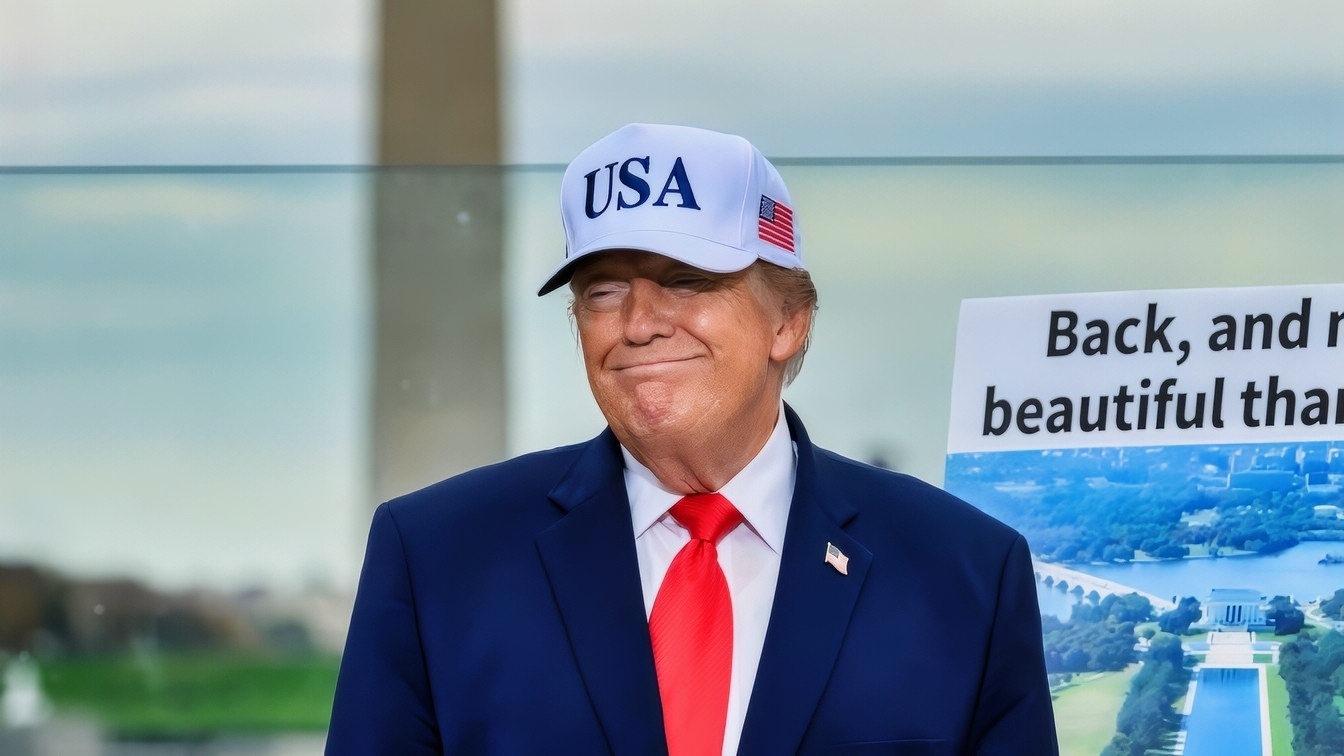
When President Donald Trump announced a sanctions waiver allowing Russian diesel supplies back onto global markets in October 2026, he framed it as a straightforward win for American drivers. It wasn't. Ukrainian President Volodymyr Zelenskyy immediately warned that easing sanctions would hand Moscow a financial lifeline and drag out the war, and early market data suggests the deal hasn't even moved the needle at U.S. fuel pumps.
If you're trying to figure out why Washington suddenly reversed years of energy pressure on the Kremlin—and why everyone from European allies to House Republicans is pushing back—you have to look past the White House talking points. The real story sits at the intersection of domestic fuel spikes, Middle East conflict, and a quiet shift in how the U.S. approaches sanctions.
Why the White House Made the Deal
Fuel costs have dominated American politics throughout 2026. According to data cited by the Council on Foreign Relations (CFR), weekly U.S. retail diesel prices nearly doubled earlier this year, climbing from $3.48 per gallon on January 5 to a peak of $6.53 per gallon on September 21. With midterm elections approaching and voters focused on the cost of living, the administration wanted a quick way to cool energy markets.
So Washington struck an arrangement with Moscow. Russia lifted the diesel export ban it had maintained since July, with Deputy Prime Minister Alexander Novak stating that domestic production could cover local demand while shipping agreed volumes globally. In exchange, the Trump administration issued a temporary sanctions authorization allowing Russian diesel to reach U.S. and international buyers.
Trump praised the move as a "big deal" that would bring relief to consumers and portrayed Russian President Vladimir Putin as ready to negotiate. On paper, adding supply lowers prices. That's basic economics.
The problem is that global energy markets don't operate on paper.
The Numbers Show Very Little Relief at the Pump
Here's what actually happened after the sanctions relief took effect.
According to U.S. Energy Information Administration (EIA) figures highlighted by The Wall Street Journal, American retail diesel averaged $6.25 per gallon between October 12 and November 9. During the week Trump announced the Russian diesel deal, the average was $6.20. Prices didn't drop. They edged up slightly.
Why didn't Russian barrels fix the price spike? Because the surge wasn't caused by Western sanctions on Moscow in the first place. As The Wall Street Journal noted, Iranian strikes on Middle Eastern energy infrastructure and transport routes were the primary driver behind the 2026 fuel shock. You can't easily offset a major Middle Eastern supply disruption with a trickle of Russian refined fuel.
Even Germany's Fuels and Energy Trade Association noted shortly after the announcement that the agreement wasn't expected to make a major dent in retail station prices. For Russia, though, the financial math looked completely different.
Moscow's Immediate Windfall
While American trucking companies saw virtually zero savings, Russian energy firms cashed in fast. The Centre for Research on Energy and Clean Air estimates that Russian companies exported $1.9 billion worth of diesel in the weeks immediately following the waiver.
Even worse from a sanctions-enforcement standpoint, the U.S. waiver allowed Moscow to sell its fuel at a much smaller discount than it previously had to offer shadow-fleet buyers. Mark Galeotti, an analyst quoted by the Associated Press, pointed out that even if Russian exports were a drop in the ocean compared to global demand, the deal handed Putin a massive political victory by driving a wedge between Washington and Kyiv.
Zelenskyy's Warning About a Domino Effect
Volodymyr Zelenskyy didn't mince words when reacting to the Russian diesel supplies agreement. Speaking in Brussels on October 16, the Ukrainian president warned that Kyiv couldn't accept this kind of economic concession while Russian missiles continue hitting Ukrainian cities.
Zelenskyy's bigger fear isn't just diesel. It's what comes next.
"Because gas deals will follow," Zelenskyy told reporters, adding that he is certain Washington will eventually lift sanctions on other Russian sectors if this precedent holds. Ukrainian officials have already raised alarms with The Kyiv Independent that Moscow is lobbying the White House for long-sought sanctions relief on its fertilizer industry.
There's also the military angle. Alongside the diesel arrangement, Washington pressured Kyiv to pause drone and missile strikes on Russian oil refineries as part of a fragile, disputed "energy ceasefire". Zelenskyy briefly paused strikes on Russian energy infrastructure for three days, demanding either reciprocal Russian restraint or additional Patriot air defense interceptors. When Russian attacks continued, Ukraine resumed its refinery campaign.
For months, Ukraine's long-range strikes on Russian refining capacity had been one of Kyiv's most effective forms of asymmetric leverage. Letting Russia repair its refineries while simultaneously opening Western markets to its diesel hands Moscow a two-for-one advantage.
Bipartisan Pushback in Congress and Fury in Europe
Usually, major foreign policy shifts split neatly down party lines in Washington. Not this time.
Republicans and Democrats on Capitol Hill quickly moved to challenge the administration's authority to bypass existing Russian oil import bans. Representative Don Bacon, a Nebraska Republican, joined efforts to force a House vote to block the deal, telling Radio Free Europe/Radio Liberty that propping up Russia's war economy is a mistake. Senator Lisa Murkowski of Alaska argued publicly that discussions about bringing Russia back into global energy markets belong after the war ends, not while the Kremlin is actively funding its military campaign.
Twenty-two House members also sent a formal letter demanding the administration explain how the waiver squares with existing statutory bans passed in 2022. Meanwhile, former Congressman Tom Malinowski noted that congressional leaders could use a Joint Resolution of Disapproval under the 2022 law to force an expedited vote against buying Russian petroleum products.
Across the Atlantic, the reaction was blunt. For years, U.S. officials—including Trump himself—criticized European nations for relying on Russian oil and gas. Now, Washington had cut a unilateral deal with Moscow without consulting Brussels.
- European Union officials rejected any suggestion of loosening their own sanctions packages, with German Economics Minister Katherina Reiche reaffirming Berlin's commitment to EU restrictions.
- Security analysts at the Warsaw Security Forum reported deep frustration among European parliamentarians, one of whom described the move as an "utter betrayal," according to the Center for American Progress.
- Global refining hubs like India now face shifting trade dynamics, as a revived Russian refining sector could eat into the high-margin refined product exports India built up by processing discounted Russian crude.
What Actually Matters If You're Following This Story
If you're tracking how this affects energy prices, geopolitics, or U.S. policy over the coming months, keep your eye on three concrete indicators rather than political speeches:
- EIA Weekly Distillate Inventories and Retail Averages: Watch the U.S. Energy Information Administration's weekly numbers rather than headline announcements. Unless Middle Eastern shipping lanes stabilize, minor inflows of Russian diesel won't pull retail prices back toward early-2026 levels.
- Congressional Discharge Petitions: Monitor whether House Republicans and Democrats secure the 218 signatures needed to force a floor vote blocking the sanctions waiver. A successful bipartisan vote would strip the White House of its ability to offer similar waivers for Russian fertilizer or natural gas.
- Russian Refinery Output: Watch satellite and market tracking from groups like the Centre for Research on Energy and Clean Air. If Ukrainian strikes stay paused or ineffective, Russia's domestic refining capacity will recover, directly increasing the cash flow available for Moscow's military budget.