President Donald Trump says massive oil, gas and mineral exploration is getting ready to begin in Greenland. Sounds like a sudden gold rush is about to break out on the world's largest island.
Except it isn't that simple. Not even close.
When Trump posted on Truth Social in mid-October 2026 that massive exploration was set to roll in what he called "our new and beautiful Greenland," he pointed to a recent security pact signed by the United States, Denmark, and Greenland. That deal expands American military access, paves the way for new defense installations and the proposed Golden Dome missile defense system, and restricts non-NATO investment in strategic areas. What it does not do is hand out oil drilling permits or flip a switch on instant Arctic production.
If you follow commodity markets or Arctic geopolitics, you've probably seen headlines treat every speech about Greenland like a guaranteed supply boom. Honestly, that's a lazy reading of the map. Rocks in the ground aren't barrels in a pipeline, and political slogans don't build ports in sub-zero gales.
Why Greenland oil and mineral exploration hits a wall
Let's start with the biggest reality check. Greenland banned new oil and gas exploration licenses back in 2021, citing climate change, environmental risks, and weak commercial economics. That ban still stands.
A few legacy licenses from before the freeze haven't automatically vanished, and companies holding older rights still look at prospective basins like Jameson Land in eastern Greenland. Yet even when a venture explores early drilling concepts—such as UK-registered 80 Mile's existing exploration rights in Jameson Land alongside funding interest from US-listed Greenland Energy—having a license is miles away from pumping crude. Environmental reviews, local consultations, and multi-year regulatory hurdles stand in the way. As Greenlandic officials have pointed out, there are no Greenlandic barrels of oil hitting the market anytime soon.
Minerals tell a more nuanced story, though still a slow one. Surveys have highlighted that Greenland holds deposits of many critical raw materials tracked by Western governments, including rare earth elements used in magnets, electronics, defense hardware, and clean energy gear. Washington and its allies want alternatives to Chinese processing dominance, which explains why high-profile deals—like New York-based Critical Metals Corp acquiring the Tanbreez rare earth deposit after intense geopolitical pushback against Chinese buyers—draw so much attention.
Still, rare earth deposits aren't operating mines. Permitting takes years, refining capacity outside China remains a bottleneck, and turning an ore body into a profitable export takes serious capital.
The infrastructure gap nobody likes to price in
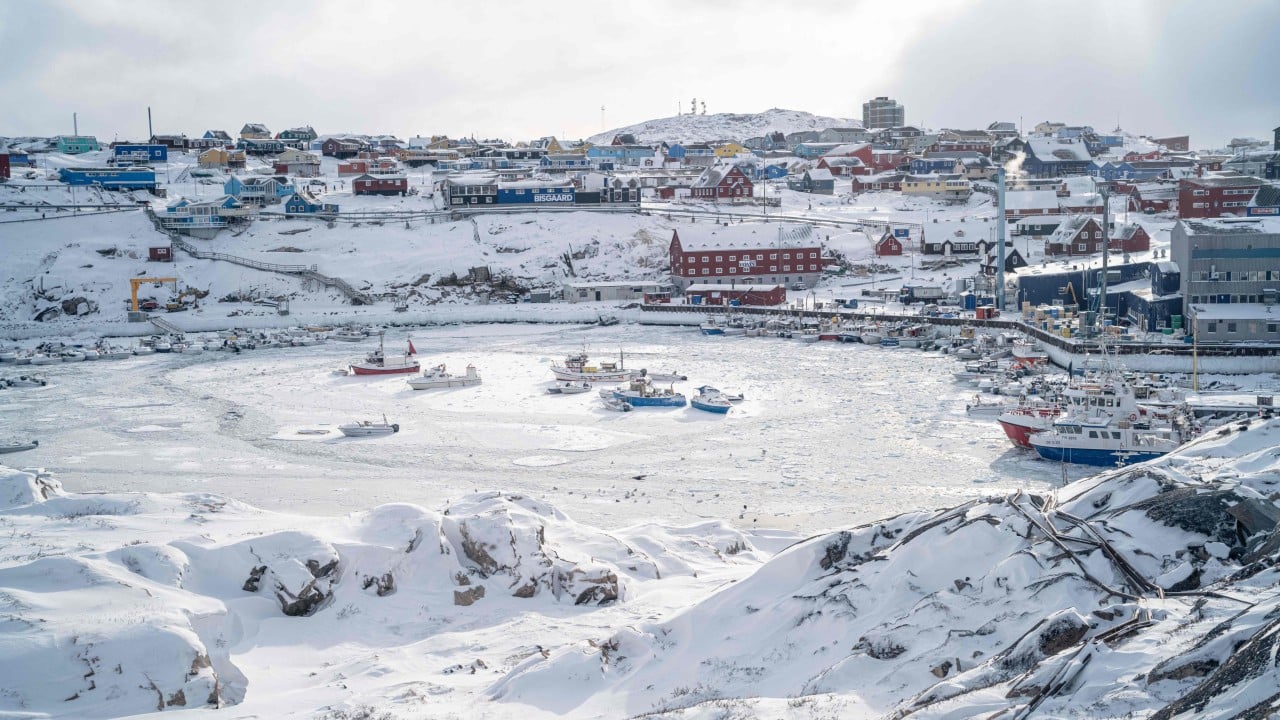
You can draw bold arrows on a geopolitical slide deck, yet physics still runs the show in the Arctic. Greenland is roughly three times the size of Texas, most of it buried under a massive ice sheet, with only about 93 miles of roads and roughly 16 ports of limited capacity.
Think about what that means on the ground. Heavy mining gear, fuel, housing for crews, power generation, and waste handling all have to move through harsh weather and short operating windows. If you're shipping equipment into a remote fjord with minimal port crane capacity, every delay compounds fast.
From watching how frontier resource projects play out in remote regions, the biggest mistake outsiders make is treating geology as the finish line. Finding deposits is only step one. Building roads, power lines, housing, and shipping corridors in an extreme climate often costs more—and takes longer—than the initial exploration budget suggests.
Nuuk, Copenhagen, and Washington aren't reading from one script
Another common trap is assuming Washington can simply wave a wand over Greenland's resources because a trilateral security agreement got signed. Greenland is a self-governing territory within the Kingdom of Denmark, and Nuuk controls mineral and resource governance under its autonomy framework.
The security pact signed in September 2026 focused on defense and strategic access—expanding operations at Pituffik Space Base, setting up defense areas at Narsarsuaq and Mestersvig, enabling Golden Dome plans, and limiting non-NATO strategic investment—while reaffirming Danish sovereignty and Greenlanders' right to self-determination. Leaders in Nuuk and Copenhagen pushed back on the idea that it handed over preferential oil or mining concessions.
Meanwhile, Greenlandic politics carry real weight here. Debates over uranium thresholds, environmental protection, local royalty shares, and long-term economic independence shape what gets approved and what gets blocked. Any outside investor or government that treats Nuuk as an afterthought is setting itself up for friction.
What actually moves next on the ground
If you're trying to separate political noise from real commercial progress, watch a few concrete markers rather than campaign or social media rhetoric:
- Permitting and environmental rulings in Nuuk: Watch whether Greenlandic authorities advance specific exploration or mining environmental assessments, or keep tight brakes on new activity.
- Financing and infrastructure commitments: Look for signed engineering contracts, port upgrades, and power plans—not just press releases or exploratory talk.
- Processing and off-take agreements: For rare earths and critical minerals, see if Western developers secure downstream separation and refining partners so mined material actually has a clear supply chain home.
If you're tracking this for business, policy, or investing, start by checking primary filings from companies active in Greenland, reading official updates from the Government of Greenland and the Center for Strategic and International Studies, and comparing any headline claim against actual permitting timelines. Treat big Arctic resource promises as multi-year projects in test mode until steel is in the ground and permits are signed.